
3-Gun Competition Optics Guide: How to Choose the Right Setup
3-Gun is one of the most popular practical shooting sports in the United States, attracting competitors from all over the country. As the name suggests, it combines three firearms—pistol, shotgun, and rifle—and challenges shooters to balance speed and precision across all of them.
This sport is not just about shooting skill. It’s also about how fast you can adapt, switch targets, and perform under pressure.
Whether you’re engaging close-range shotgun targets, mid-to-long range rifle plates, or fast pistol stages, your optic setup needs to be fast, durable, and adaptable across multiple scenarios.
Typical engagement distances range from 25 to 100 yards, depending on the stage design. Because of this, shooters commonly rely on LPVOs, red dots, magnifiers, and prism scopes.
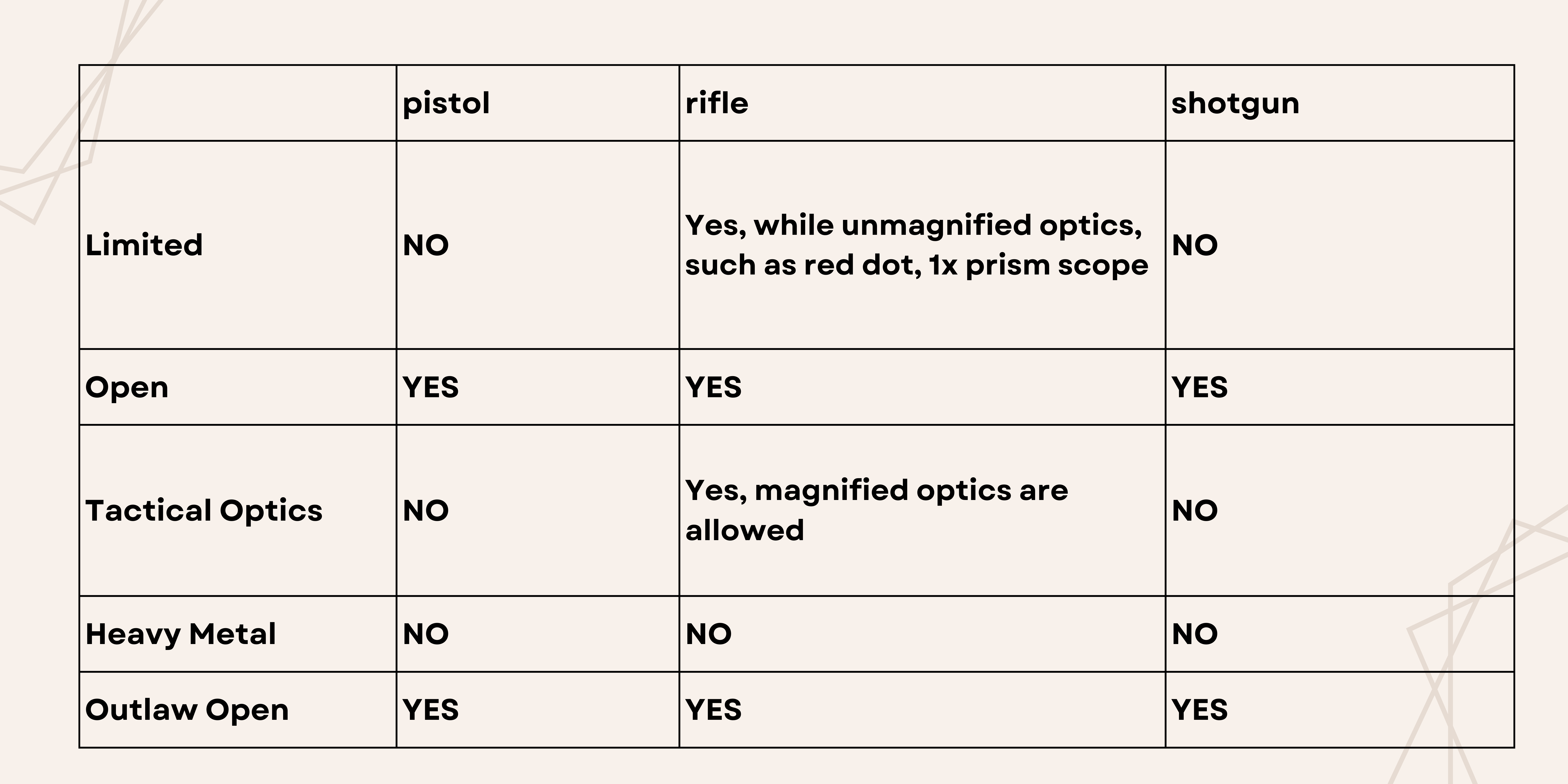
3-Gun competition is usually divided into several divisions, including Limited, Tactical Optics, Heavy Metal, Open, and Outlaw Open. Below, we break down the best optic choices for each category.
1. Limited Division: Pure Speed, Minimal Gear
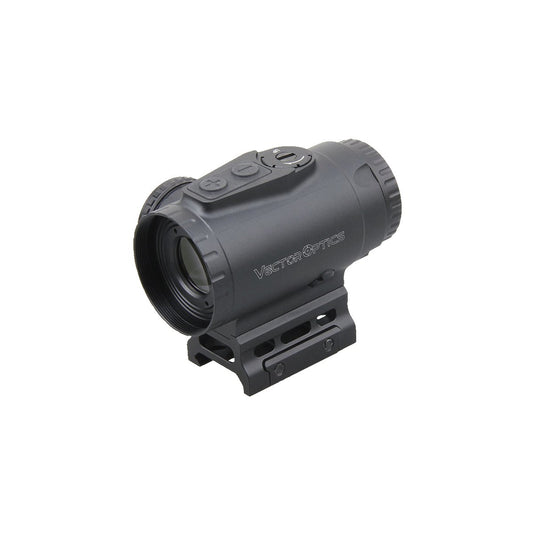
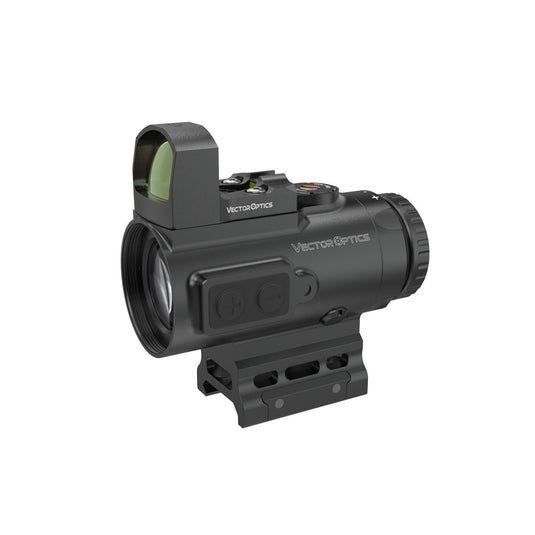
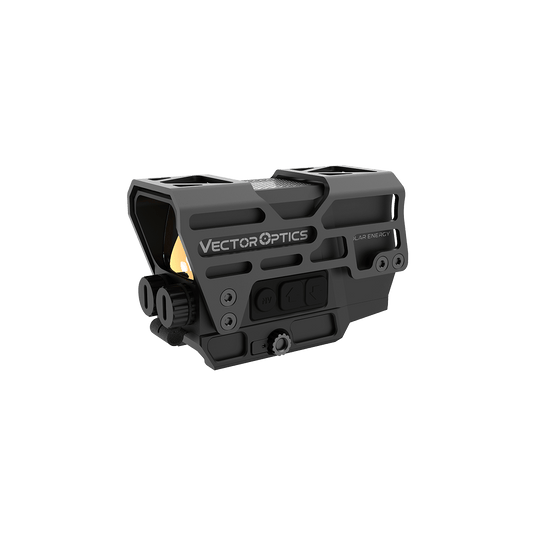
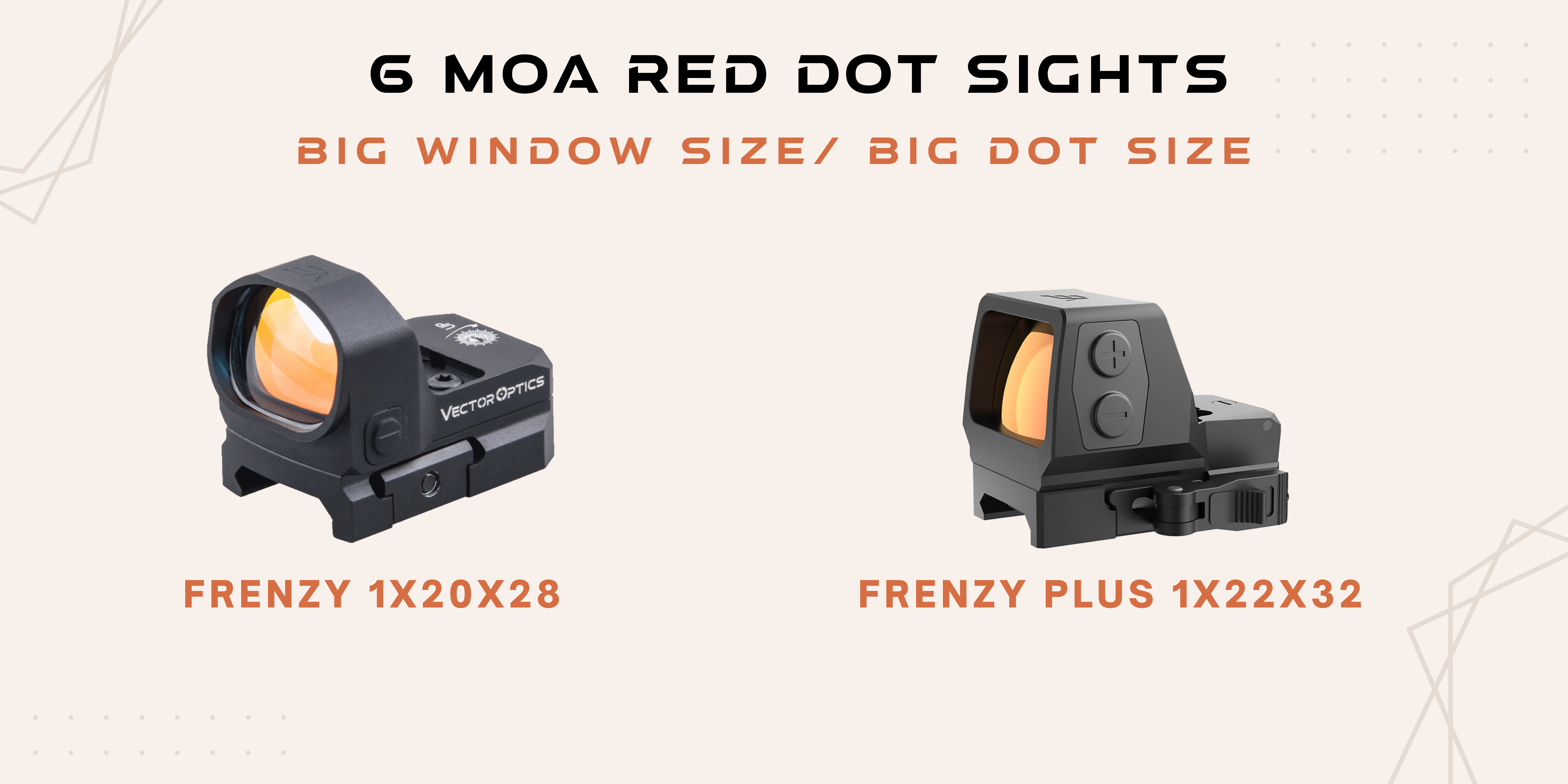
The Limited Division restricts shooters to non-magnified optics only, meaning your choices are mainly red dots or 1x prism scopes.
The goal here is simple: fast target acquisition above everything else.
Key things to look for:
- Large, clear viewing window
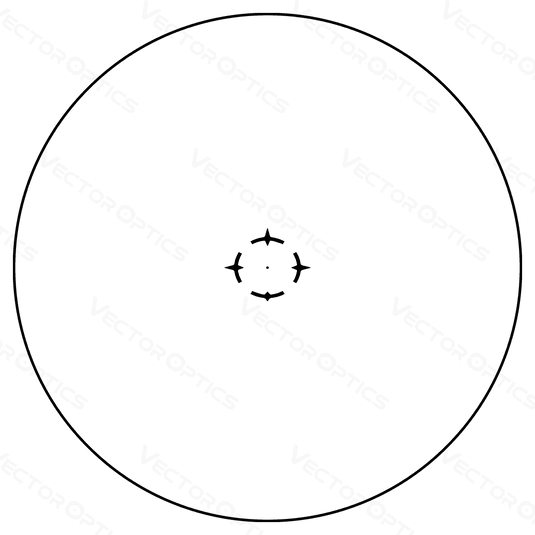
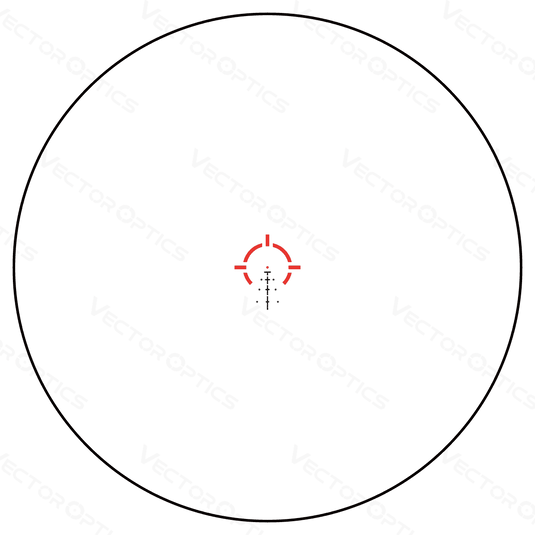
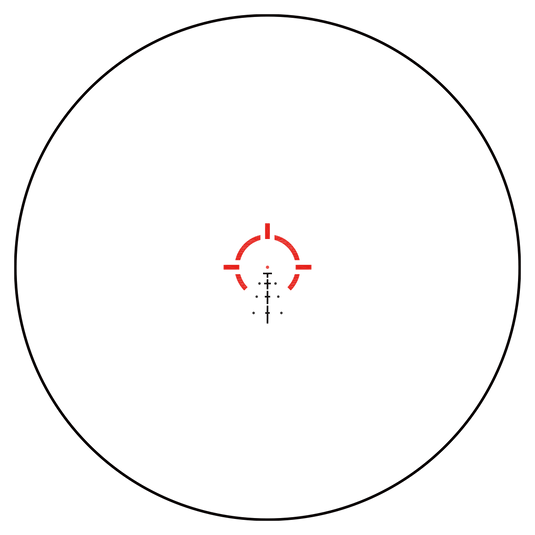
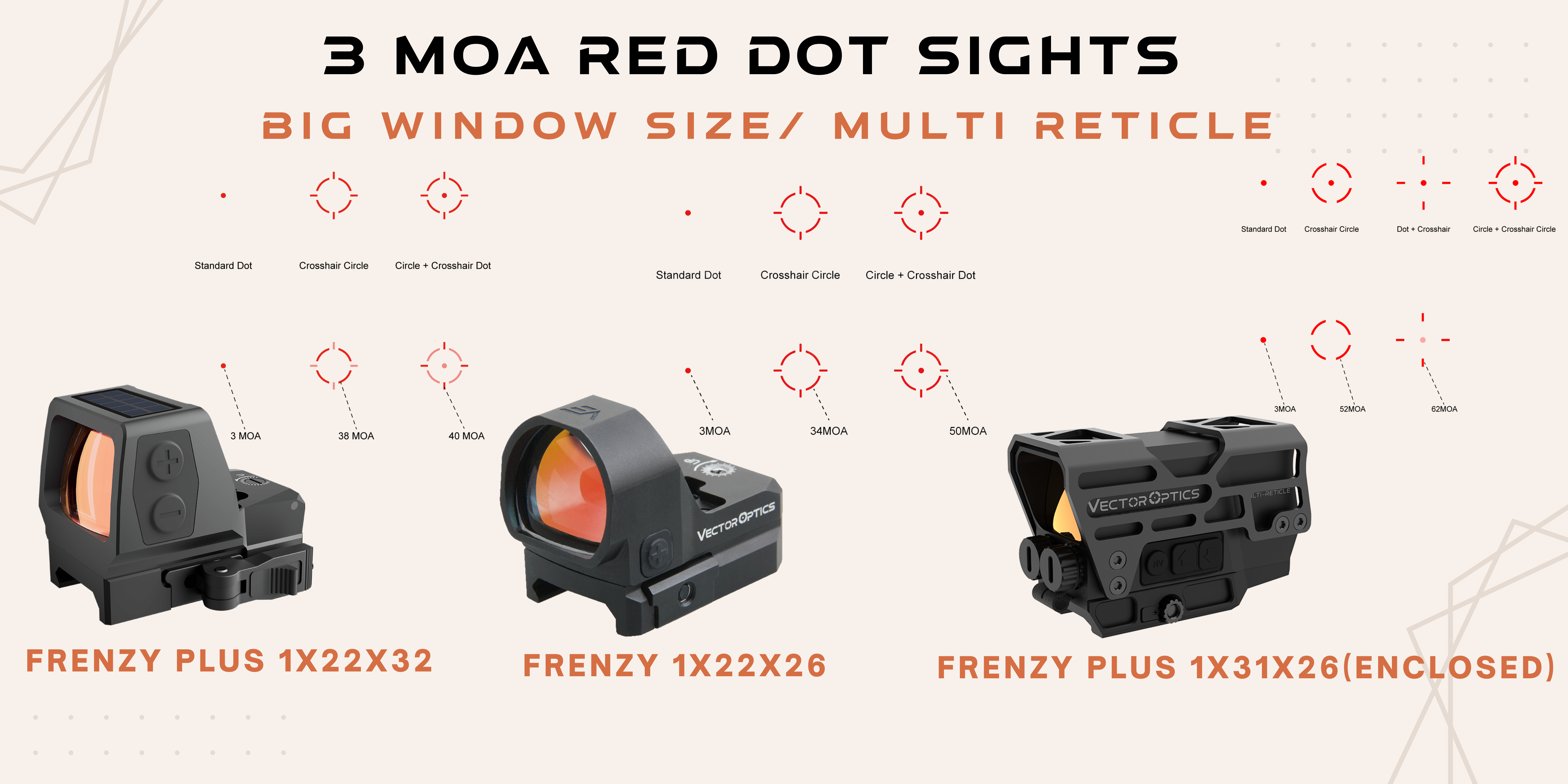
- Bright and easy-to-see reticle (commonly 2 MOA or 6 MOA)
A setup with a window size above 20mm and a 6 MOA dot is often ideal. Some shooters prefer a smaller 3 MOA dot when they want slightly more precision at distance.
1.1 Enclosed vs Open Red Dot Sights
Enclosed (tube-style) red dots:
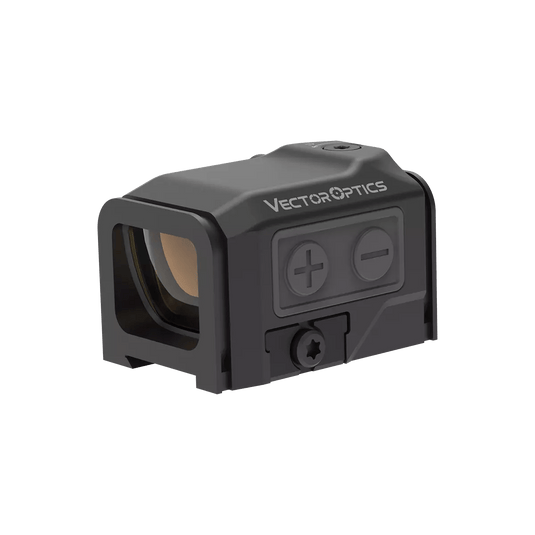
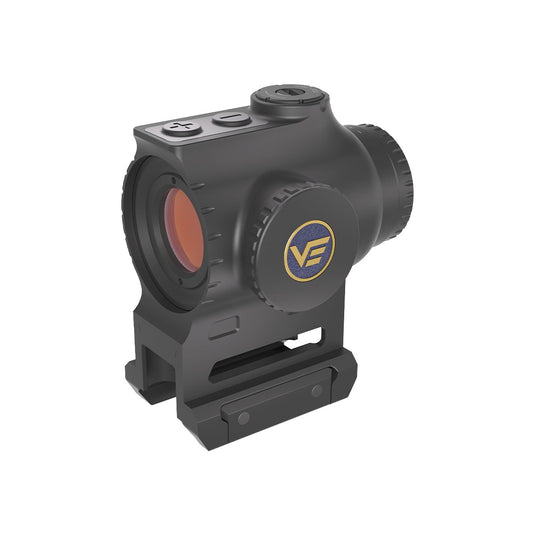
These are built for durability. The fully sealed structure protects the optic from dust, rain, and impact, making them highly reliable in match conditions. They also tend to offer a more focused sight picture, which helps with consistency.
Open red dots:
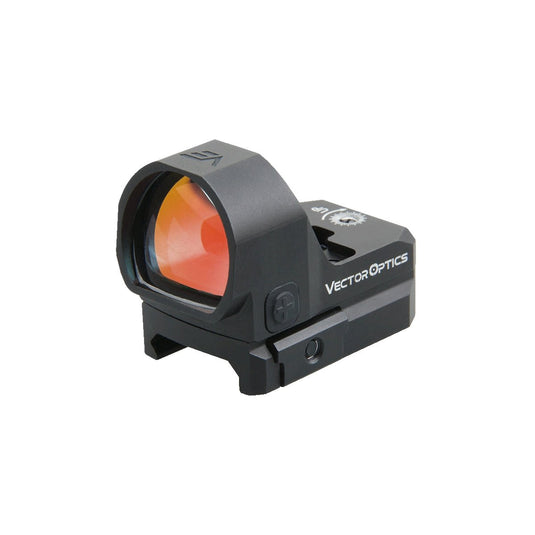
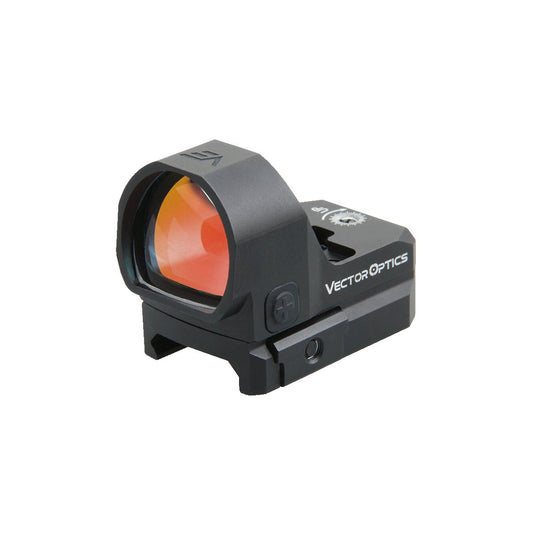
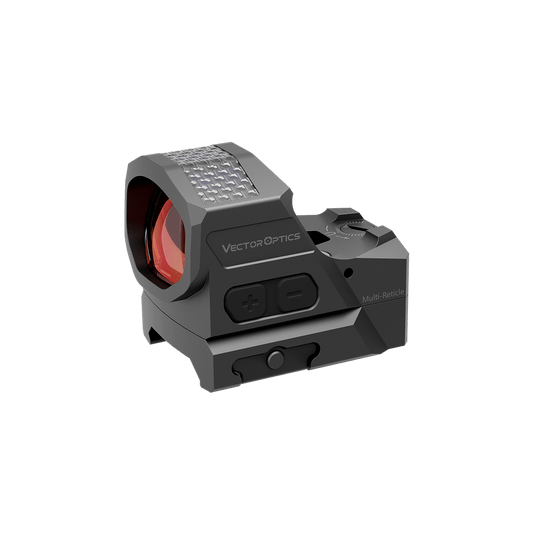
Lighter and more compact, open emitters provide a wider, less obstructed field of view. This makes them excellent for fast transitions and aggressive shooting styles.
In short:
- Choose enclosed for durability and all-weather reliability
- Choose open for maximum speed and lightweight handling
If you want a deeper comparison, check our guide: Open vs Enclosed vs Half-Enclosed Red Dot Sights.
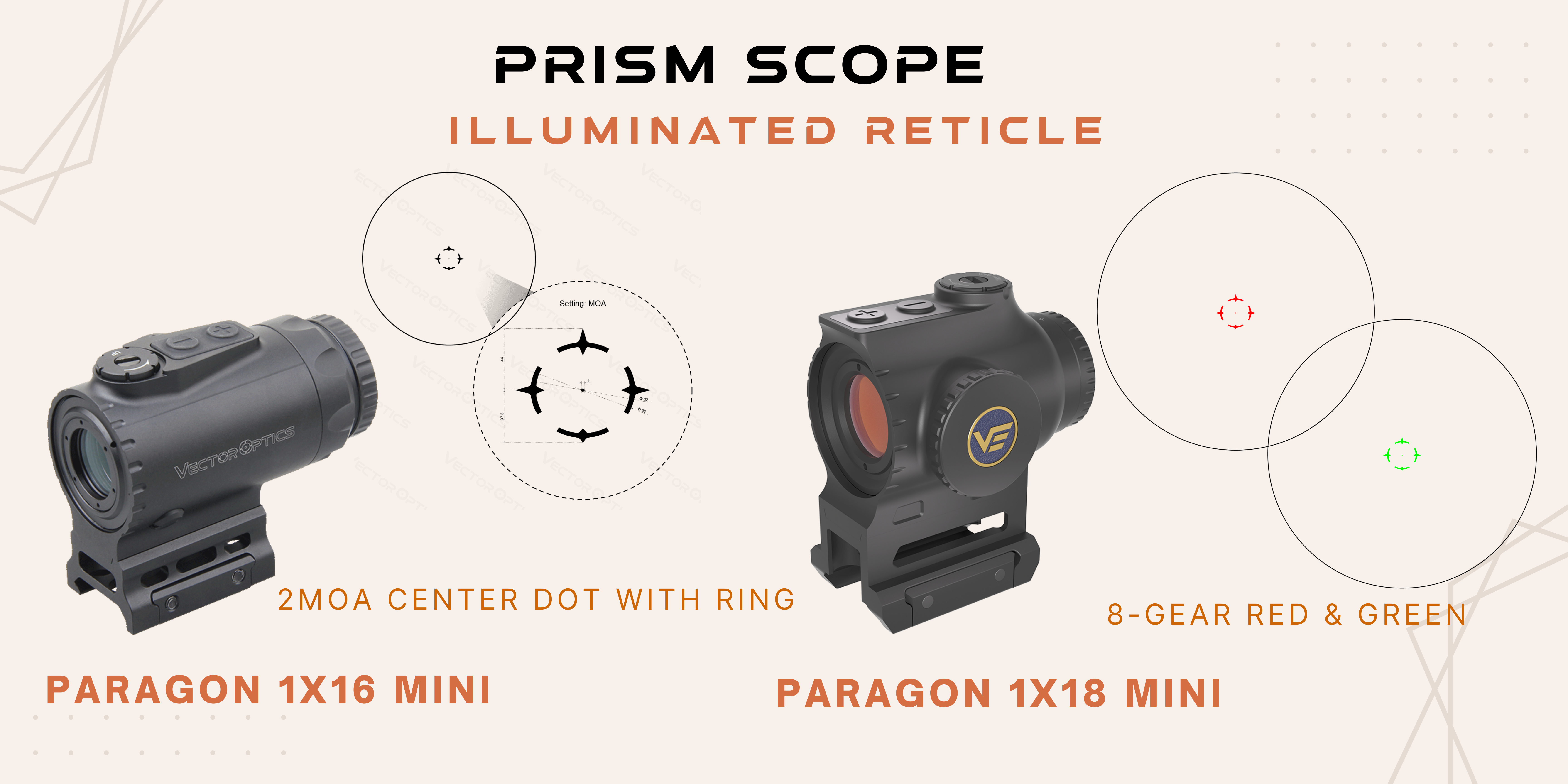
1.2 Are Prism Scopes a Good Option?
Prism scopes are a strong alternative in the Limited Division.
They offer:
- Sharper reticle definition
- Clearer overall image
- Etched reticle that still works without illumination
If equipped with a BDC reticle, prism scopes also help with distance estimation and holdover corrections, making them effective even on mid-range targets.
Want to learn more about the advantages of prism scopes? Read our blog: Is a Prism Scope a Better Choice than a LPVO?
1.3 Does Vision Quality Matter?
Yes — a lot.
If you have good eyesight:
- Red dots are extremely intuitive
- Unlimited field of view supports fast target transitions
- Ideal for aggressive, fast-paced shooting
If you have astigmatism:
- Prism scopes usually appear much clearer
- Red dots may look distorted or starburst-like
- Prism optics provide a more stable aiming experience
2. Tactical Division: More Flexibility, More Options
The Tactical Division allows magnified optics, opening up significantly more setup choices.
Common configurations include:
- Red dot + magnifier
- Prism scopes (1x, 3x, 4x, etc.)
- LPVOs (Low Power Variable Optics)
This division is all about balancing speed and precision.
2.1 How Magnifiers Improve Performance
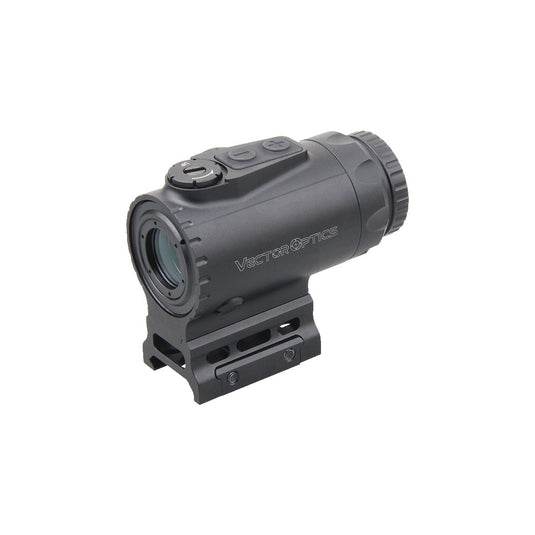
Magnifiers allow shooters to switch between close and mid-range engagement quickly.
 Typical magnifications include:
- 3x (most popular choice)
- 4x (balanced option)
- 5x (more distance-focused)
When paired with a flip-to-side mount, shooters can instantly transition between 1x and magnified views without slowing down stage performance.
Prism scopes can also be paired with magnifiers, offering similar flexibility to red dot systems.

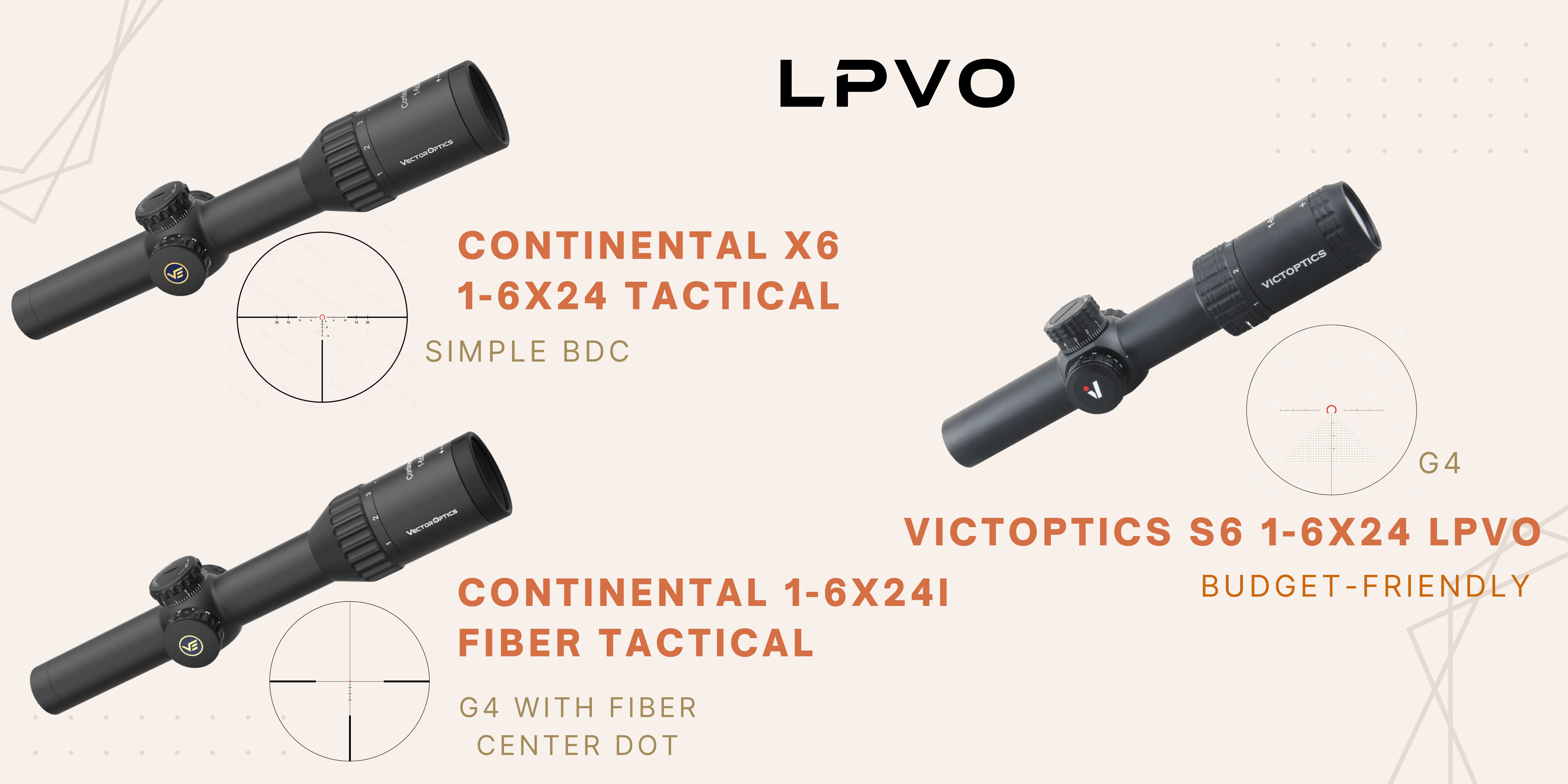
2.2 Why Choose an LPVO?
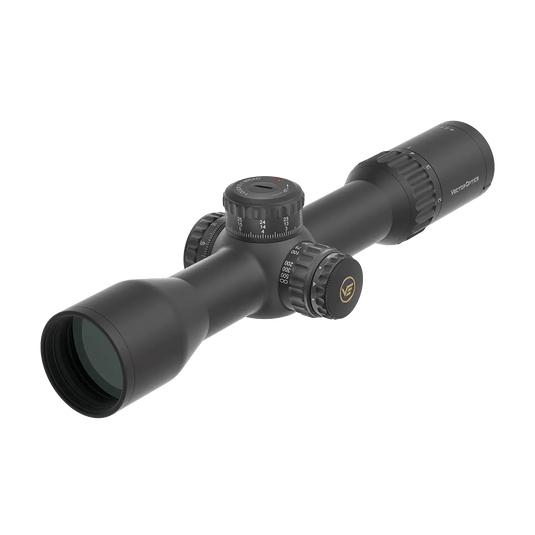
Many competitors prefer LPVOs because they offer a single optic solution for all distances.
When choosing an LPVO, focus on:
- True 1x performance
- Bright and fast center aiming point
- High-quality optical clarity
True 1x allows the scope to function almost like a red dot at close range. A bright illuminated center dot improves speed, while premium glass ensures clarity from edge to edge.
Learn more about choosing the right LPVO in our blog: LPVOs at the Same Power: Which One to Pick.
2.3 What LPVO Setup Works Best?
For fast-paced competition use, an SFP (Second Focal Plane) LPVO is often preferred because it feels more intuitive under pressure.
Depending on preference:
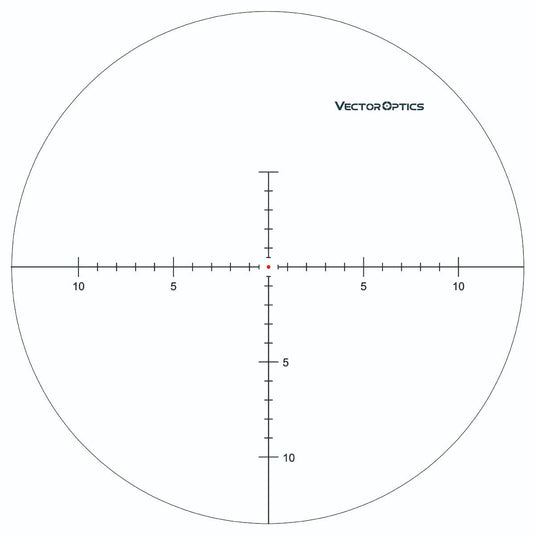
- Fiber optic illuminated reticles offer extremely fast aiming reference
- BDC reticles provide better distance holdovers and precision
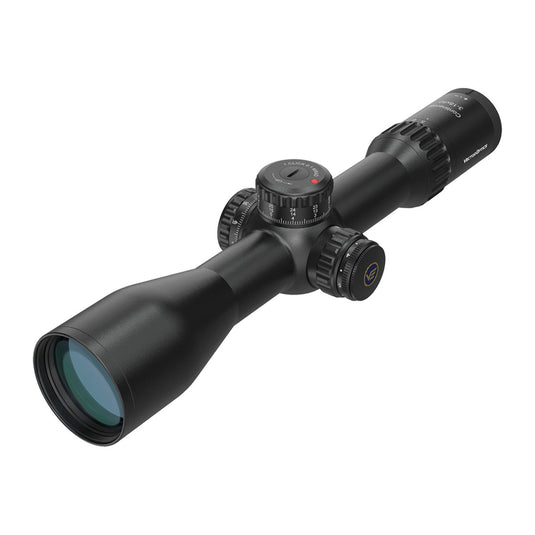
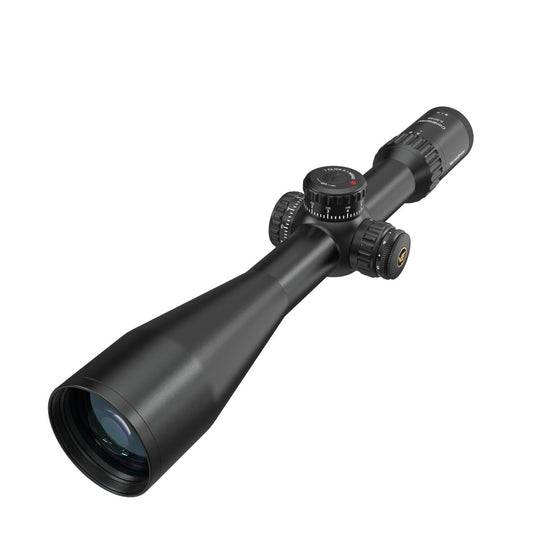
For example, fiber-lit LPVO like Continental 1-6x24i Fiber Tactical Riflescope (SCOC-44) is ideal for rapid target engagement. If illumination is less critical, BDC-based models such as the Continental x10 1-10x28 ED FFP LPVO Rifle Scope (SCFF-62) offer a more precision-focused experience.
High-quality optics with HD glass and 90%+ light transmission ensure clear visibility even in challenging lighting conditions.
Pro Tip: Use a Throw Lever
A throw lever makes magnification changes much faster and smoother.
In competition, this small upgrade can save valuable seconds when switching between distances.
Continental line scopes are fully compatible with the Rifle Scope Power Ring Throw Lever (SCCON-TL2), engineered for rapid and smooth magnification changes, ensuring you stay ahead during fast-paced competition stages.
2.4 Mounting Considerations
Before installing an LPVO, make sure to confirm:
- Rail type compatibility
- Tube diameter (e.g., 30mm or 34mm)
- Objective lens size
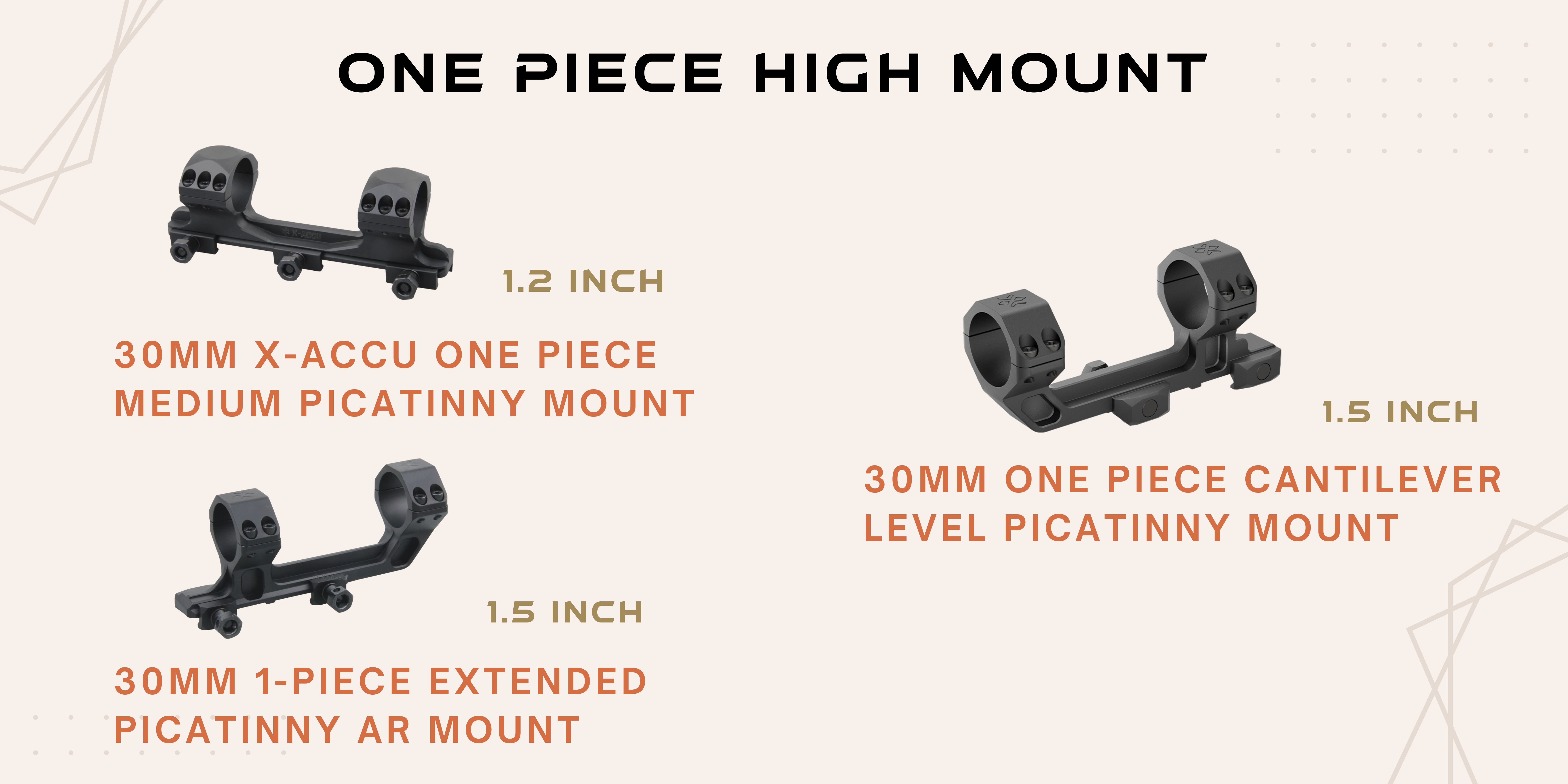
For most setups, a one-piece high mount is recommended for better stability and consistent eye alignment.
For a closer look at scope tube options, here’s a helpful guide: 30mm vs 34mm vs 1-Inch: What Scope Tube Size Is Best for You?
3. Open & Outlaw Open Divisions: Maximum Speed Focus
These divisions are all about speed and efficiency.
For pistol and shotgun setups, the priorities remain:
- Large sight window
- Clear and fast dot acquisition
- Minimal obstruction
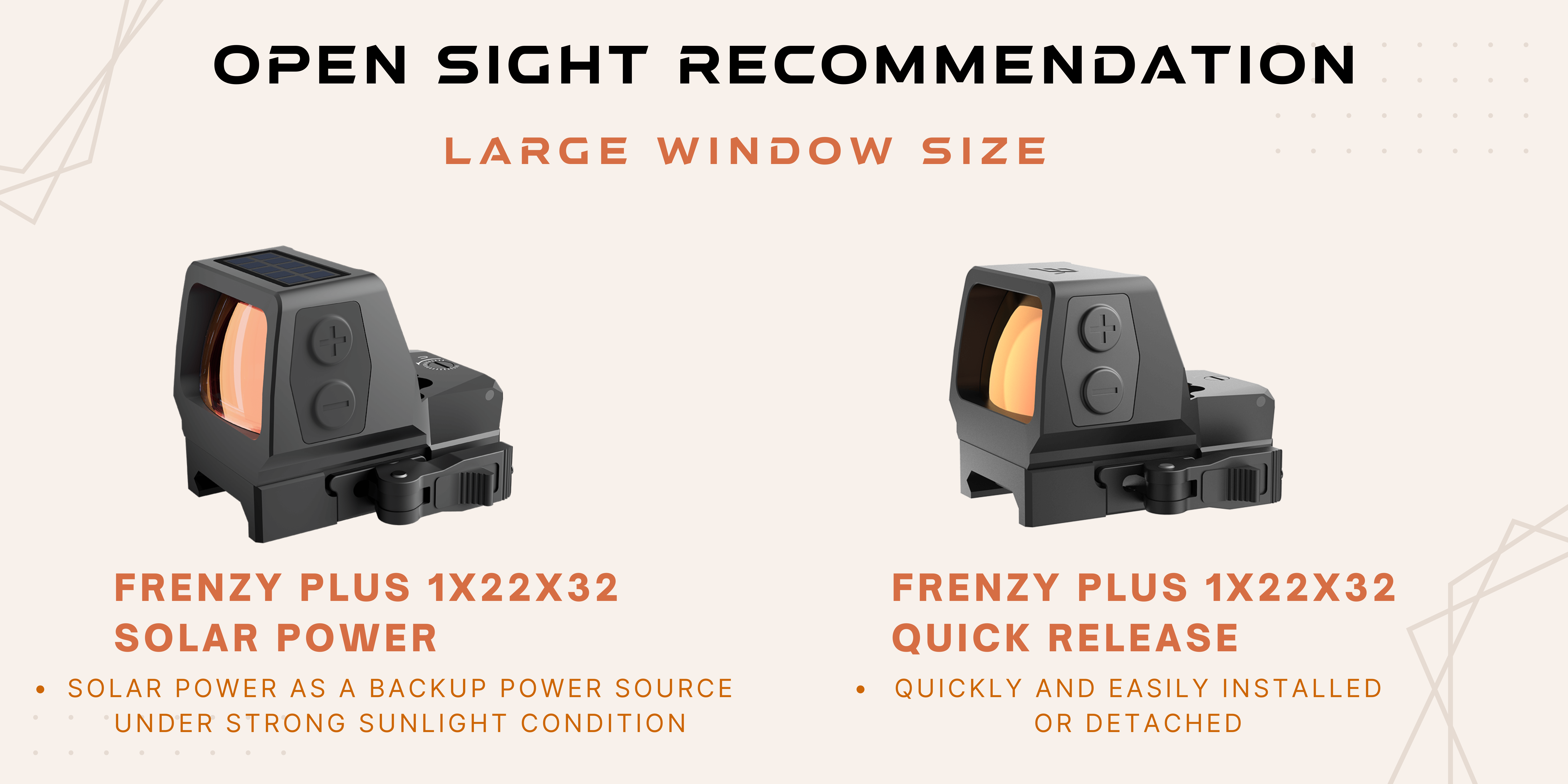
Open-style red dots are especially popular here due to their lightweight design and extremely fast visual response.
4. Common Firearms in 3-Gun Competition
Pistols
Popular choices include:
- Glock 17 / 19
- SIG Sauer P320
- Smith & Wesson M&P 9
- Custom 1911 / 2011 platforms
Optics-ready pistols require a compatible mounting plate. Non-optics-ready models will need an adapter system.
Rifles
Common platforms include:
- AR-15 variants (most widely used)
- Daniel Defense DDM4 series
- SIG M400
- JP Rifles
Most red dots mount directly to Picatinny or Weaver rails, while LPVOs typically require a dedicated scope mount.
Shotguns
Popular models include:
- Beretta series
- Benelli M1
- Remington Versa Max Tactical
- Stoeger 3000 series
Red dots can be directly mounted if a compatible rail is available.
FAQ
Q1: Is it worth sacrificing field of view for a more forgiving eyebox?
Yes, for many shooters it is. A more forgiving eyebox allows faster target acquisition from awkward shooting positions and reduces time spent finding the sight picture during fast transitions.
Q2: Should I adjust magnification during a stage?
Most experienced competitors don’t. They set magnification before the stage starts and keep it fixed to avoid distractions and maintain rhythm.
Q3: Does parallax setting affect speed?
Yes. Incorrect parallax can slow down target acquisition and reduce clarity at varying distances. Many competitors choose a mid-range setting as a compromise for different stage layouts.
Best Sellers