When people shop for a rifle scope, they usually focus on magnification, glass quality, or reticle design. But there’s one detail that quietly makes a big difference: tube size.
The three common options—1-inch (25.4mm), 30mm, and 34mm—aren’t just numbers. They shape how your scope feels, performs, and fits your shooting style.
Let’s break it down in a way that actually helps you decide.
What Does Scope Tube Size Mean?
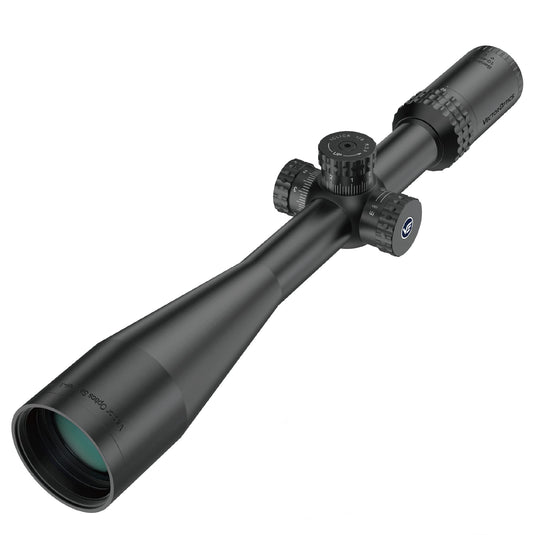
The tube size refers to the diameter of the main body—the center section between the objective and ocular lens.

It might sound minor, but it directly affects:
- Adjustment range (how far you can dial)
- Overall weight (important if you move a lot)
- Mount compatibility (how easy it is to set up)
Think of it this way: tube size influences how far and how comfortably you can shoot.

1-Inch (25.4mm): Light, Simple, Reliable
This is the classic option—and still a favorite for hunters and casual shooters.
Why people like it:
- Lightweight and easy to carry all day
- Budget-friendly
- Tons of mounting options available
Where it falls short:
- Limited adjustment range
- Not as rugged as larger tubes
Best for:
- Shooting within ~300 yards
- Hunting and general use
- Anyone who values simplicity and mobility
If you just want something that works without adding bulk, this is a solid pick.

30mm: The Modern Sweet Spot
30mm tubes have become the go-to choice for a reason—they strike a great balance.
Why people like it:
- Stronger construction
- More adjustment range for longer shots
Where it falls short:
- Slightly heavier than 1-inch
- A bit more expensive
Best for:
- Mid- to long-range shooting
- Shooters who need more dialing flexibility
- Users who want performance without going extreme
If you want a setup for longer-range precision shooting, a 30mm tube is hard to beat.
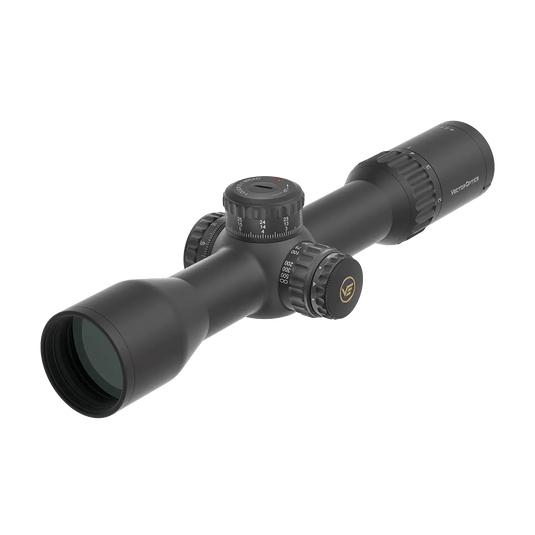
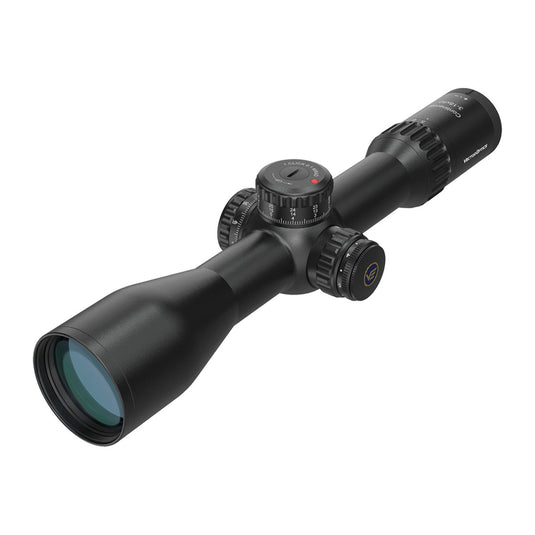
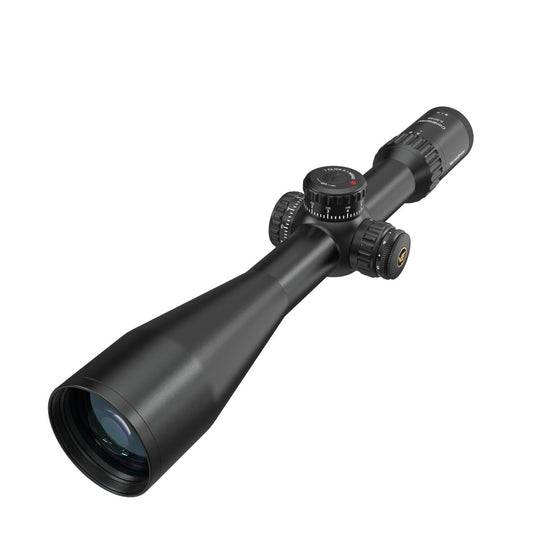
Vector Optics introduces the upgraded Veyron GenII series — a modern lineup of 30mm tube scopes designed for precision shooting.

34mm: Built for Distance and Precision
34mm tubes are designed for shooters pushing limits—distance, precision, and control.
Why people like it:
- Maximum adjustment range
- Extra durability
- More room for advanced optics systems
Where it falls short:
- Heavier and bulkier
- Higher cost (including mounts)
Best for:
- Extreme long-range shooting
- Precision rifle competitions
- Shooters chasing top-tier performance
If you’re dialing for serious long-range and competition, this is where 34mm shines.

Myth Check: Does Bigger Tube = Brighter Image?
Short answer: No.
A larger tube gives more internal space—but it doesn’t automatically improve brightness.
What really matters:
- Glass quality
- Lens coatings
- Objective lens size
- Overall optical design
So don’t choose a bigger tube just because you expect a brighter image.

How to Choose the Right Tube Size
Here’s a quick way to narrow it down:
Shooting distance
- Under 300 yards → 1-inch is enough
- Beyond that → 30mm or 34mm makes more sense
Weight matters?
- Yes → go lighter (1-inch)
- Not really → 30mm / 34mm is fine
Need more adjustment?
- Yes → bigger tubes give you more dialing room
Budget & setup
- 1-inch → cheaper, easier to mount
- 34mm → higher cost across the board
If you want to see how different tube sizes are used in real rifle scopes, explore the Continental Series with 30mm and 34mm LPVO, MPVO, and long-range optics.
Final Take
Bigger isn’t always better—and smaller isn’t always limiting.
- Go 1-inch for lightweight simplicity
- Choose 30mm for all-around performance
- Pick 34mm when you need maximum capability
At the end of the day, the best scope isn’t the biggest—it’s the one that matches how you actually shoot.