
Open Red Dot Sight vs Enclosed Red Dot Sight vs Half-Enclosed Red Dot Sight – Which One Fits You Best?
Picking a red dot sight isn’t just about looks—it’s about what kind of shooting you do and what you care about most: speed, durability, or a lightweight setup. Let’s break it down.
1. Enclosed or Open: Which Should You Go For?
If toughness is your top priority, an enclosed red dot is the way to go. The sealed design keeps the emitter safe from dust, rain, mud, and debris. Many models are even waterproof and built to survive rough outdoor adventures, tactical missions, or crazy weather conditions.
On the flip side, open red dots are lighter and often smaller, letting you spot your target faster and enjoy a broader field of view. Perfect for indoor ranges, competitions, or clean home-defense setups where the elements aren’t a threat.
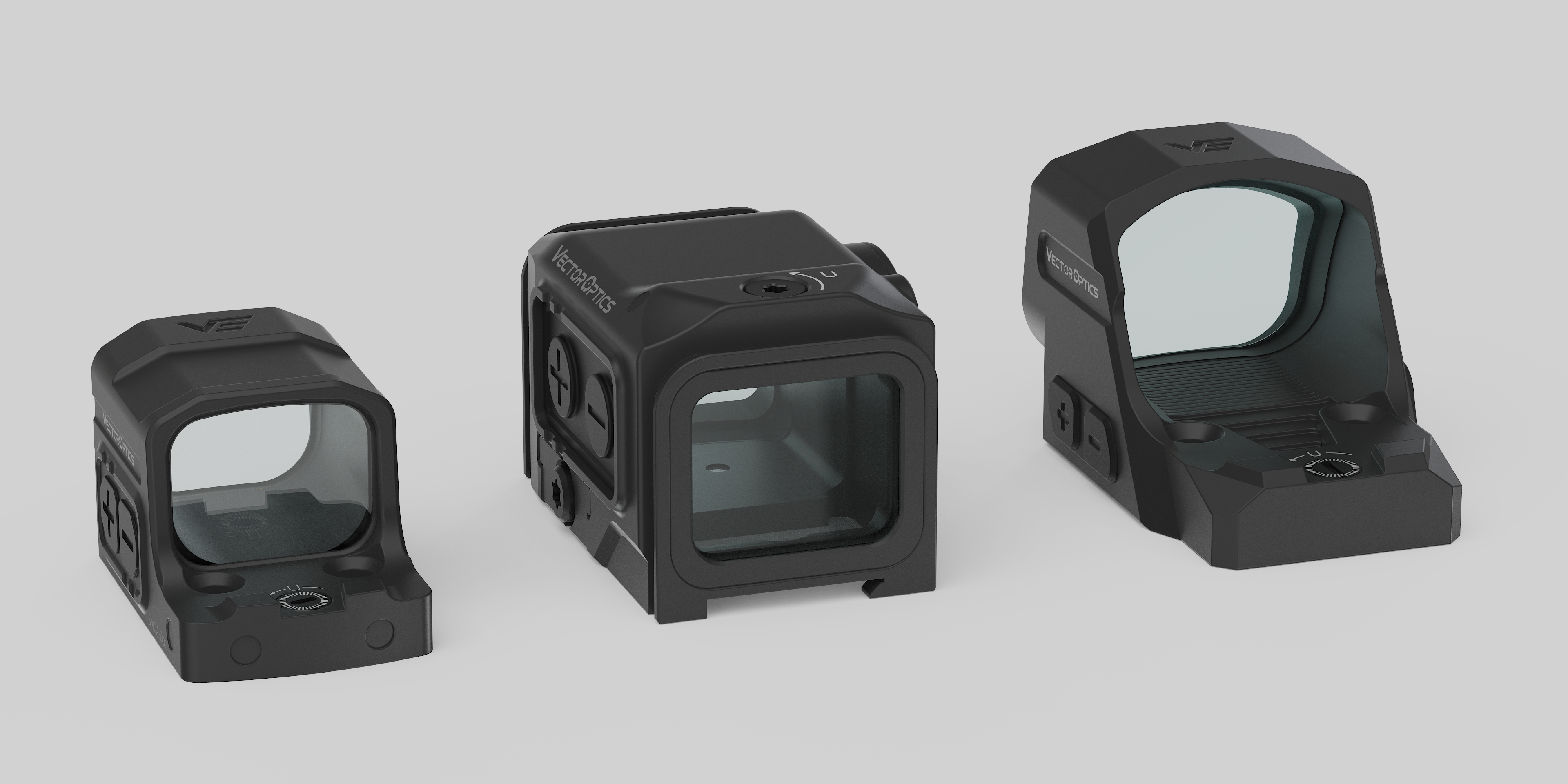
1.1 What’s an Open Red Dot?
- The emitter and adjustment knobs are fully exposed.
- Lightweight, wide view, super fast target acquisition.
- More vulnerable to rain, dust, and bumps.
- Best for indoor shooting, competitions, or controlled environments.
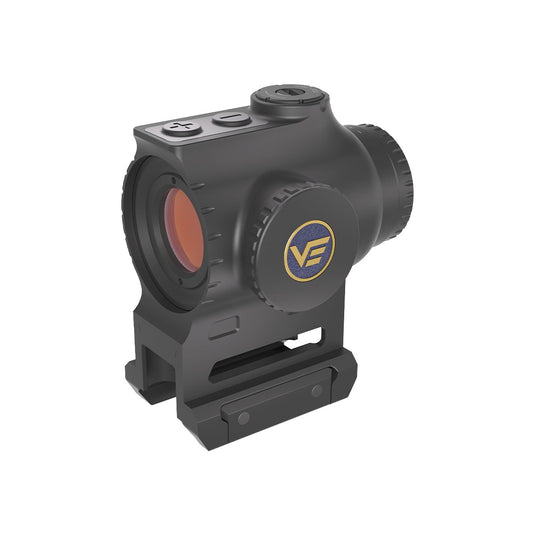
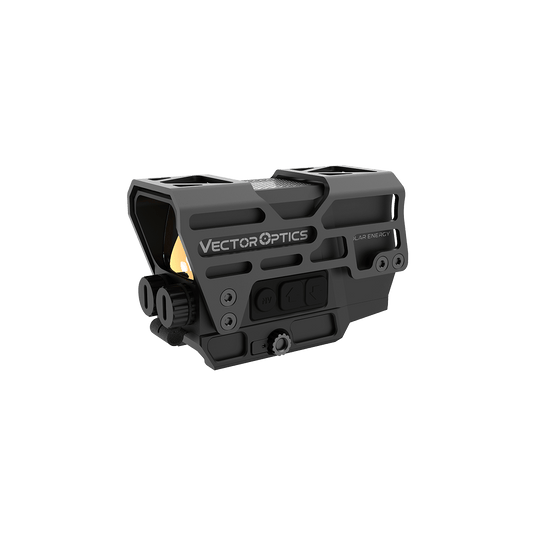
1.2 What’s an Enclosed Red Dot?
- Emitter and knobs are locked inside a sealed housing.
- Built for maximum durability, often waterproof and dustproof.
- Great for tough outdoor use, duty carry, or situations where ruggedness matters most.
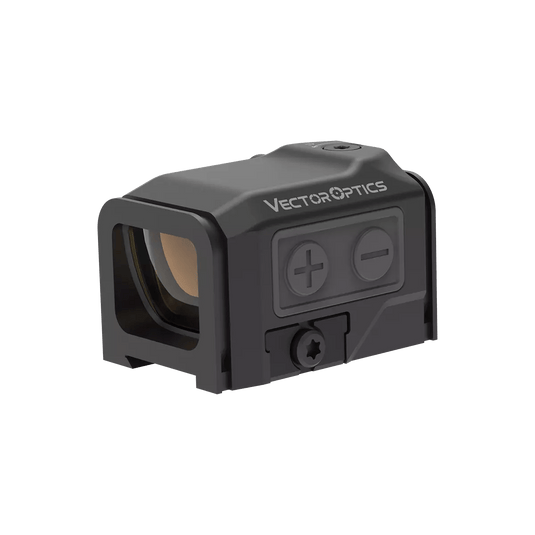
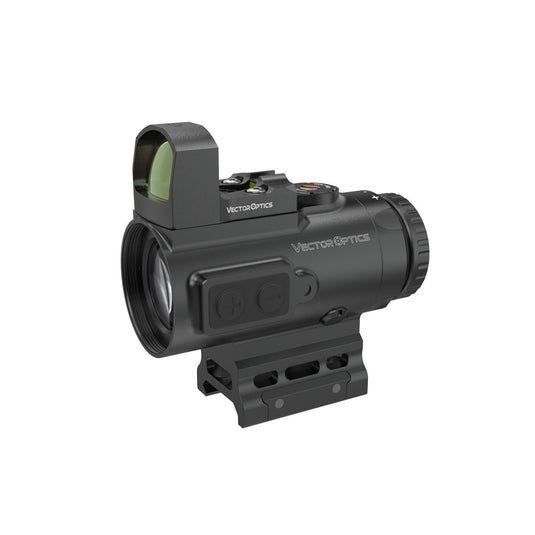
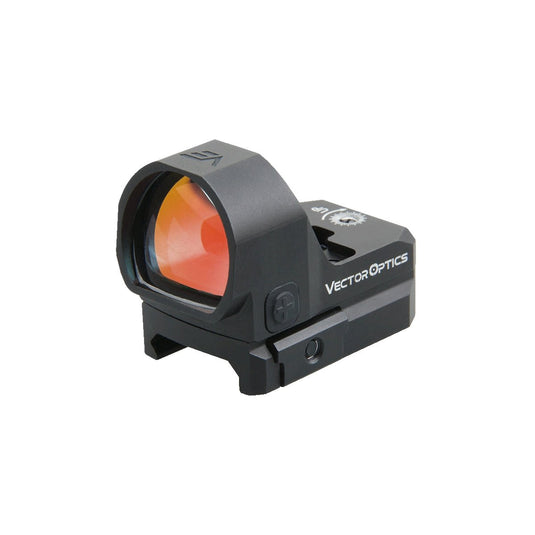
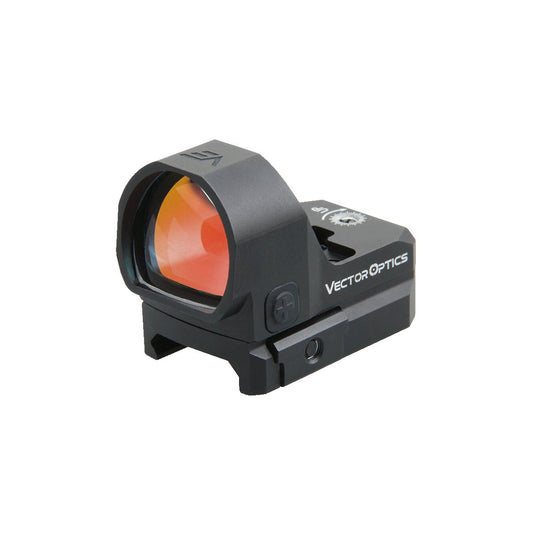
1.3 What’s a Half-Enclosed Red Dot?
- Emitter is protected inside a housing, keeping out dust, moisture, and impact.
- Adjustment knobs are exposed, which can be hit or moved accidentally.
- Strikes a balance between protection and lightness, ideal if you want some defense without the bulk.
2. 3 MOA vs 6 MOA – Which Dot Should You Pick?
The dot size matters depending on how you shoot, your distance, and your target. Here’s the lowdown:
3 MOA Red Dot
- Small and precise, perfect for longer-range shooting.
- Great for rifles, PCCs, or handguns in controlled settings.
- Lets you aim at small targets without hiding the impact point.
6 MOA Red Dot
- Big and fast—easy to pick up in a flash.
- Ideal for close-range, speed-focused shooting like IPSC or USPSA.
- Can appear blurry for shooters with astigmatism, slightly affecting accuracy.
Quick tip: 3 MOA = precision, 6 MOA = speed.
3. Window Size – Small vs Large
Small Window
- Compact, lightweight, perfect for EDC or minimalist setups.
- Slightly harder to track the dot in fast or awkward angles.
Large Window
- Offers a wider view for keeping on target in dynamic shooting.
- Helps with fast acquisition in motion or unusual positions.
- Heavier and bulkier, might affect balance on smaller guns.
4. Our Hot Red Dot Picks
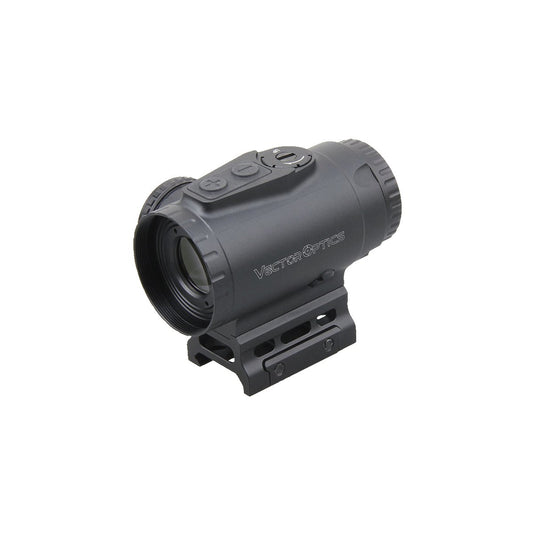
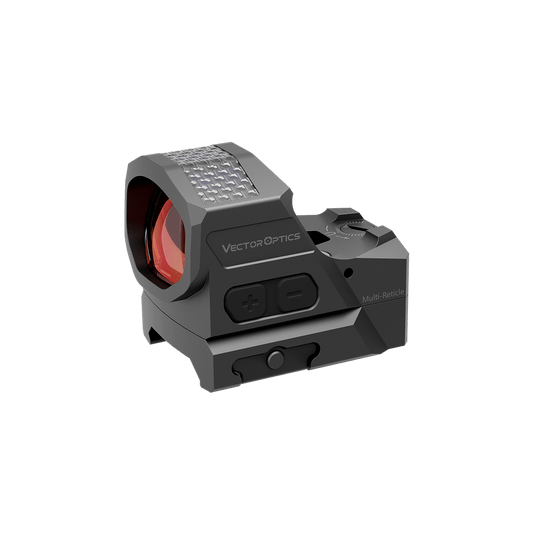
Frenzy FA 18x22 – Enclosed Multi-Reticle Red Dot Sight (SCRD-M75)
Fully enclosed design with an 18×22mm compact window, built for all-weather reliability and protection.
- Window size: 18×22 mm
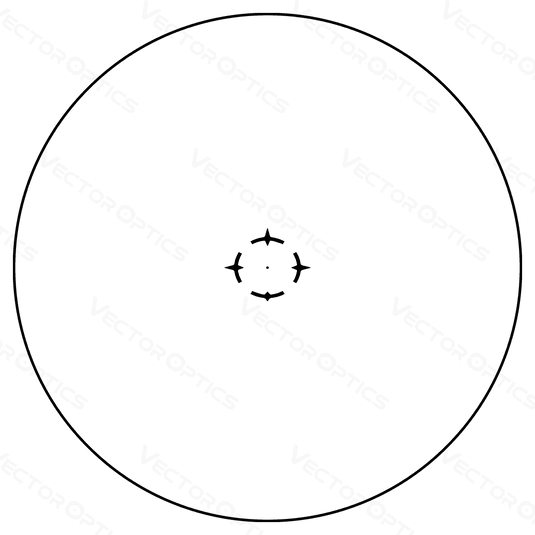
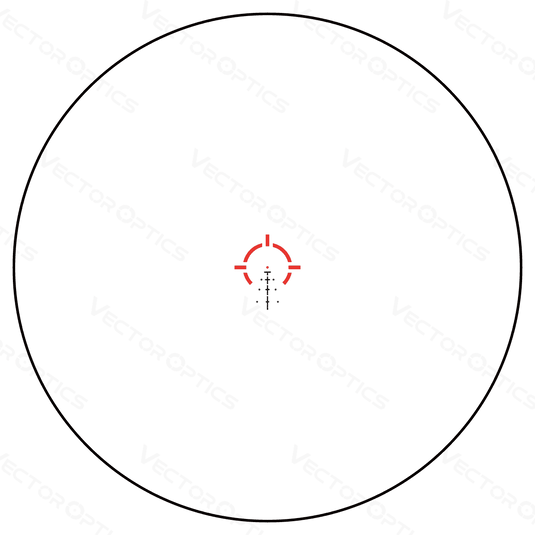
- Reticle system: MRT (Multi-Reticle) – 2 MOA dot / 65 MOA circle / combined modes
- Adjustment: 1 MOA click, ≥100 MOA range (both axes)
- Built-in durability: IP67 waterproof + 1500G shockproof + 7075-T6 body
Clean sight picture with a narrow frame, ideal for duty use and outdoor environments.
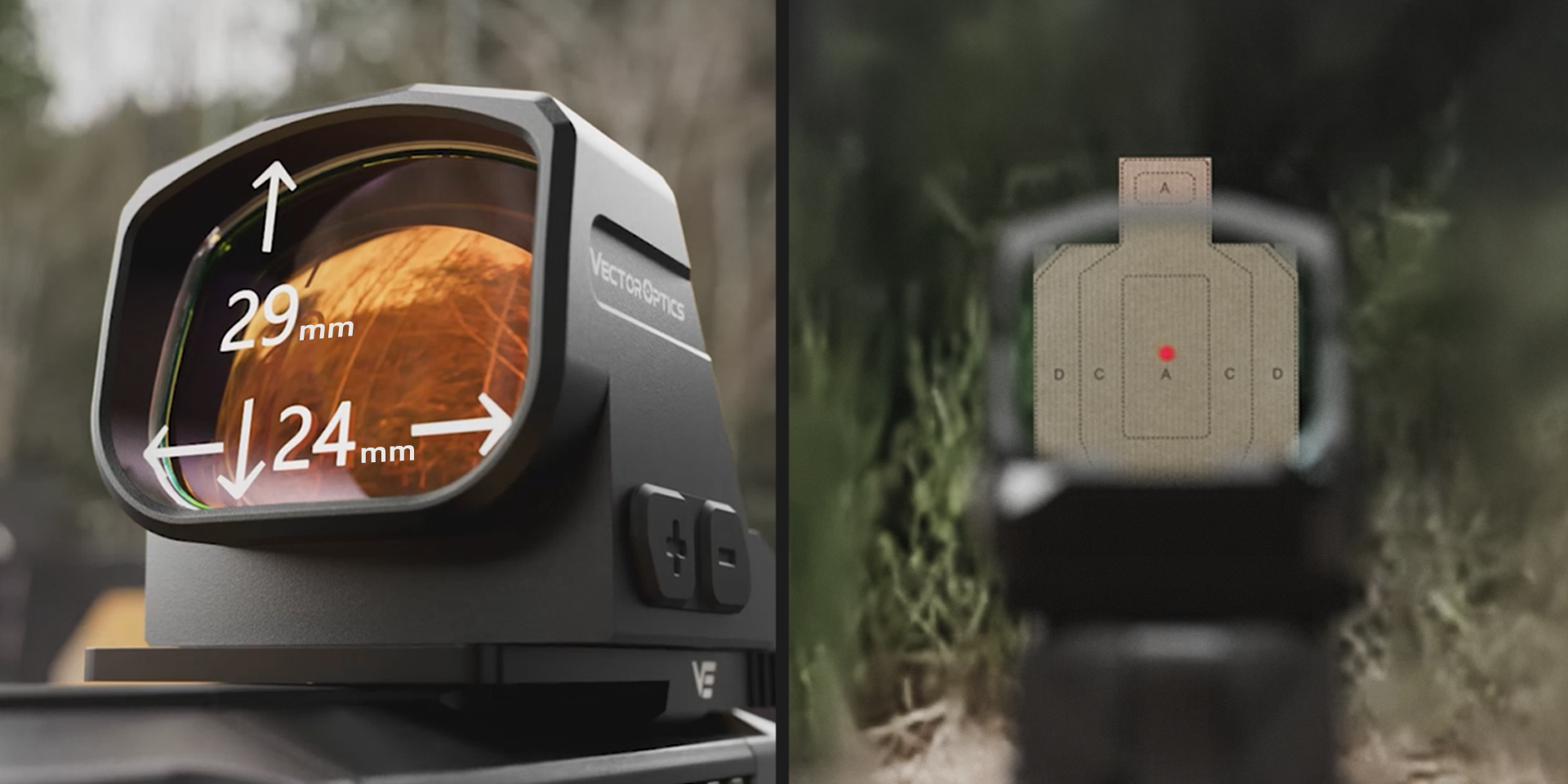
Frenzy FLEX 24x29 – Competition Multi-Reticle Red Dot Sight (SCRD-M76)
Open design with a 24×29mm large window, optimized for fast transitions and competition speed.
- Window size: 24×29 mm
- Reticle system: MRT – 2 MOA dot / 64 MOA circle / 82 MOA crosshair
- Mount: MOJ (RMR compatible footprint)
- Performance: IPX7 waterproof + 1500G shockproof + 1 MOA click system
Built for IPSC / USPSA, offering a wide field of view for fast target tracking.
Frenzy F3 26x32 – Large Window Multi-Reticle Red Dot Sight (SCRD-M79)
Oversized 26×32mm window designed for maximum visibility and ultra-fast target acquisition.
- Window size: 26×32 mm
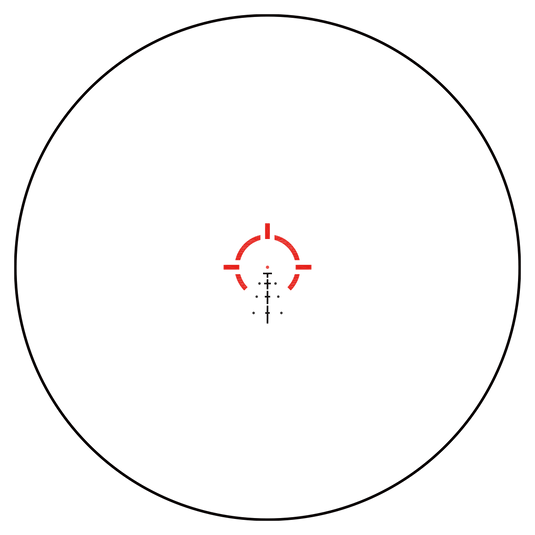
- Reticle system: MRT – 2 MOA dot / 6 MOA dot / 65 MOA circle + crosshair
- Platform: GIN footprint (C-More RTS/STS compatible)
- Performance: IPX7 waterproof + 1500G shockproof + 1 MOA click system
Large viewing area improves speed and tracking in dynamic shooting scenarios.
Frenzy FLEX 24x29 – CDT Dual Reticle Red Dot Sight (SCRD-C77)
Compact open design with a 24×29mm window, balancing speed and simplicity.
- Window size: 24×29 mm
- Reticle system: CDT – 2 MOA / 6 MOA switchable dot
- Mount: MOJ (RMR compatible)
- Core features: Fast switching between precision and speed modes
Lightweight structure for fast handling in competition and tactical setups.
FAQ
Q1. Which design is easiest to pick up the dot quickly under stress?
Open red dots usually feel the quickest because there is less surrounding frame blocking your peripheral vision.
Q2. Why do some shooters prefer a “contained” sight picture?
Because a more enclosed frame helps the eye stay centered, especially when shooting fast strings or multiple targets.
Q3. Why can open red dots feel faster in close-range shooting?
Because there is less visual frame around the sight picture, your eye spends less time adjusting and can pick up the target more quickly.
Best Sellers