
Rifle Scope Turrets Explained: Types, Features & How to Use Them
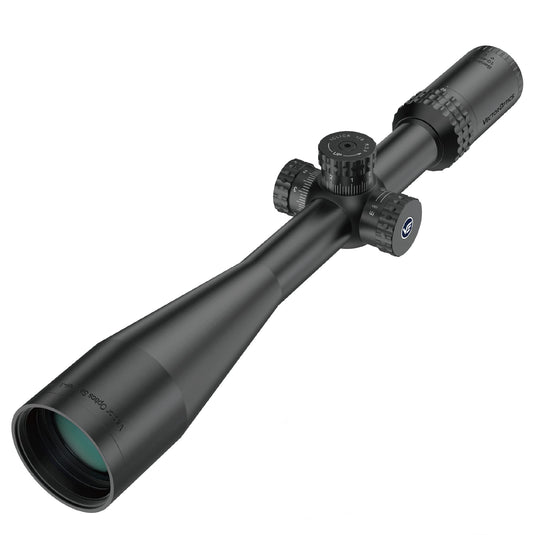
When it comes to long-range shooting, your turrets aren’t just accessories—they’re your control center. Every click directly affects where your bullet lands. Whether you’re dialing for distance, fighting wind drift, or adjusting on the fly in changing terrain, understanding how your turrets work can seriously level up your accuracy.
Let’s break it down in a way that actually makes sense.
What Are Scope Turrets?
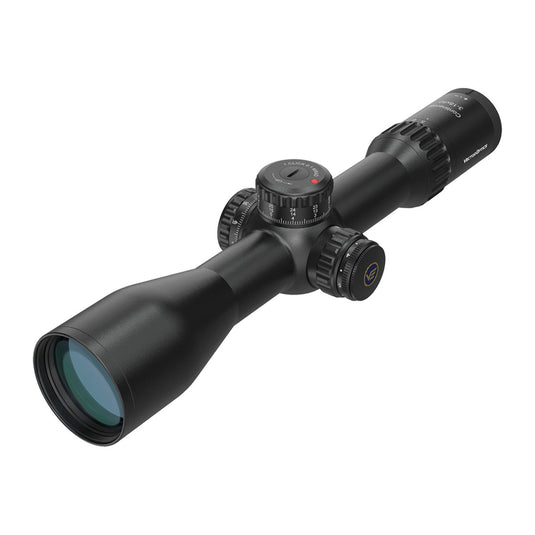
Turrets are the knobs on your scope that let you fine-tune your shot.
- Elevation turret = up and down (compensates for bullet drop)
- Windage turret = left and right (handles wind drift)
Turn the turret, and you shift your point of impact. Simple in concept—but precision is everything.
High-quality turrets are all about repeatability. That means every click does exactly what it’s supposed to do—no guessing, no drift, just consistent results shot after shot.

What Is the LRZ Turret System?
Modern scopes are getting smarter, and one standout upgrade is the LRZ turret system. It’s designed to make dialing faster, safer, and more reliable.
Here’s what it brings to the table:
Turret Lock
Locks your settings in place so nothing moves by accident—perfect for transport or rough movement.
Revolution Indicator
Tracks how many full turns you’ve made. Super useful when you’re dialing multiple rotations and don’t want to lose track.
Zero Stop
Lets you snap straight back to your original zero. Just dial down until it stops—no second-guessing.
Together, these features give you more control and confidence, especially in fast-paced or high-stakes shooting situations.

Zeroing: The Foundation of Everything
Before you start dialing, you need a solid zero.
Zeroing means aligning your point of aim with your point of impact at a specific distance. The process is simple:
- Shoot a group
- Check where it lands
- Adjust turrets
- Repeat until centered
Once locked in, your zero becomes your baseline for all future adjustments. More infomation about how to zero, go check this blog.
Exposed vs. Capped Turrets: What’s Your Style?
Not all turrets are built the same. The two main types serve different purposes:
Exposed Turrets
- Fast, tool-free adjustments
- Easy to dial on the fly
- Great for open terrain and long-range shooting

Capped Turrets
- Protected by screw-on caps
- Less chance of accidental movement
- Ideal for dense environments like forests

Quick rule: Need speed? Go exposed. Want protection? Go capped.
Fine Adjustments: Every Click Counts
Precision shooting is all about small changes.
Most scopes use:
- 1/4 MOA or
- 1/10 MIL per click
At longer distances—say 500 yards—even one click can shift your impact noticeably. That’s why consistency matters: each click must equal exactly one increment. No more, no less.
Also, don’t underestimate tactile and audible clicks. A crisp feel and clear sound let you adjust without taking your eyes off the target—huge advantage in low light or fast scenarios.
And if you’re shooting far, a larger adjustment range gives you the freedom to dial without limits.

Build Quality: Why Materials Matter
Good turrets aren’t just precise—they’re built to last.
Most premium scopes use aircraft-grade aluminum, like:
- 6061-T6
- 7075-T6
Why aluminum?
- Lightweight → easier to carry on long hunts
- Corrosion-resistant → handles harsh environments
- Smooth operation → better long-term reliability
- Clean, crisp clicks → better control
It’s the perfect balance between strength and usability.
Continental Series Spotlight: Built for Precision
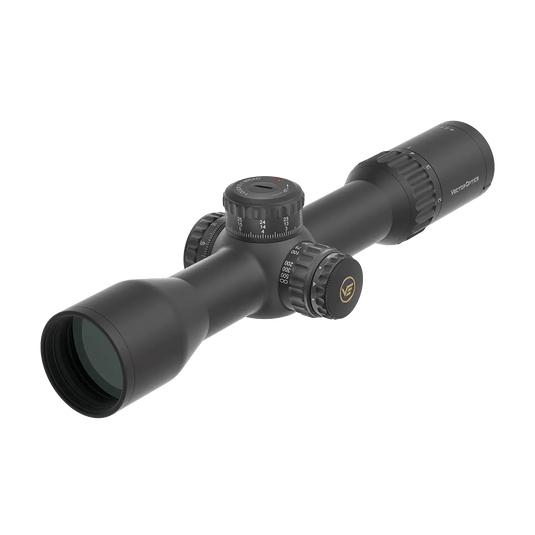
If you’re looking for top-tier turret performance, the Continental series is designed with serious shooters in mind.
These scopes combine:
- Lightweight aluminum construction
- LRZ turret system
- Fine adjustment precision
- Clear, tactile clicks
They perform equally well in open terrain and tighter environments—versatility meets precision.
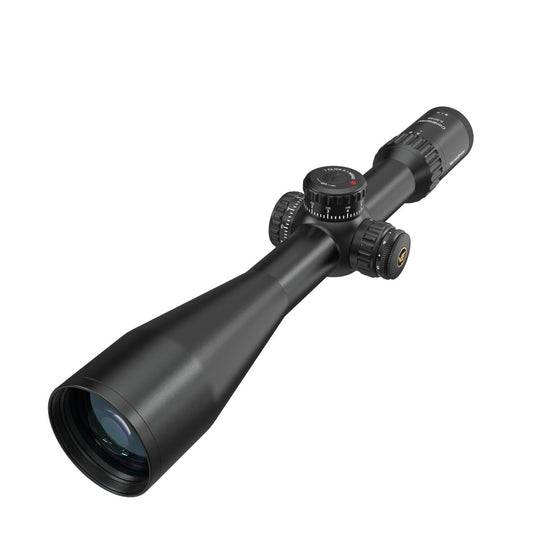
New Highlight: Continental x6 6-36×56 FFP (SCFF-70)
Taking things further, the latest model adds:
- 1/10 MIL click adjustments
- ≥31 MIL elevation range
- Ultra-smooth turret operation
The result? More dialing range, better control, and the confidence to engage targets at extreme distances.

Final Thoughts: Why Turrets Deserve Your Attention
Turrets aren’t just knobs—they’re your direct link to accuracy.
Mastering them means:
- More confident adjustments
- Faster corrections
- Better shot placement
Features like zero stop, turret lock, and clear click feedback aren’t just nice to have—they make a real difference when it counts.
If you’re serious about improving your shooting, start with your turrets. Learn them, trust them, and use them to their full potential.
Best Sellers