
Red Dot Cowitness Explained: Absolute vs. Lower 1/3
1. What Is Cowitness?
Cowitness allows you to see the red dot and iron sights through the same optic window.
A typical AR-15 sighting path looks like:
Shooter's Eye → Rear Iron Sight → Red Dot → Front Iron Sight → Target
The rear sight sits closer to you, while the front sight sits farther forward. Cowitness describes their vertical relationship, rather than their front-to-back position.
If the red dot loses power or becomes unusable, the iron sights can still provide a backup aiming system.
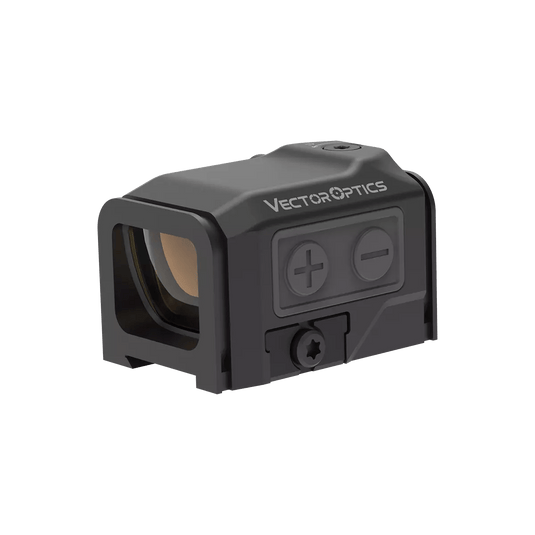
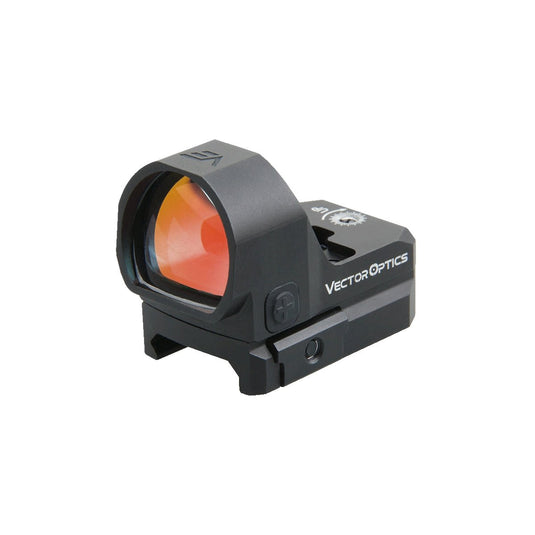
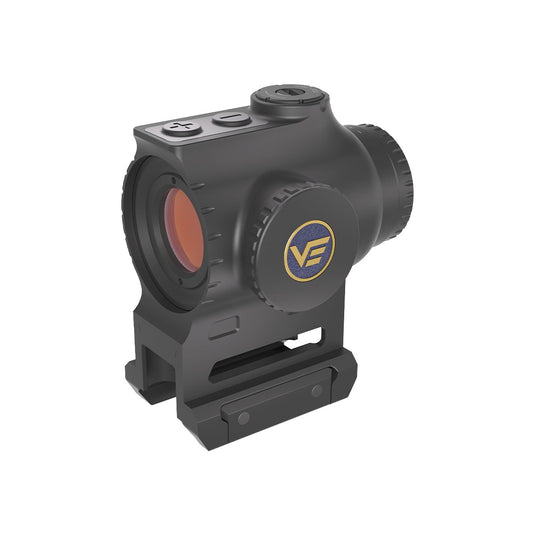
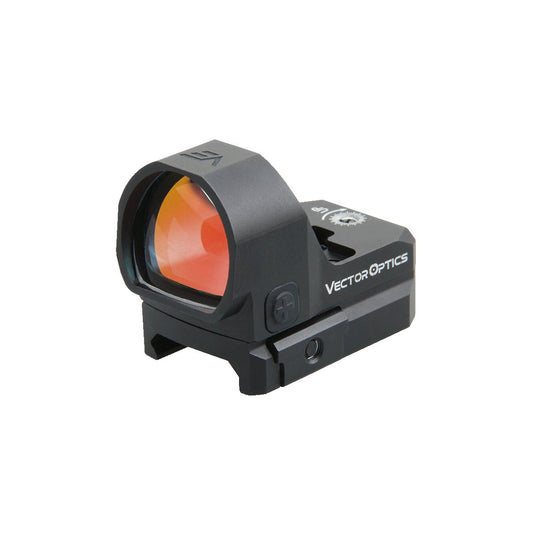
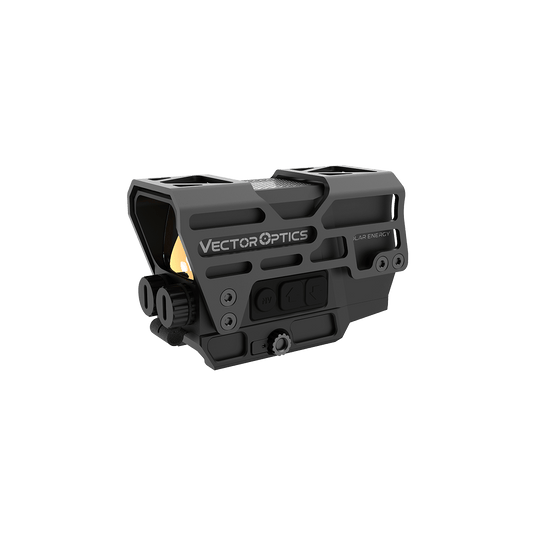
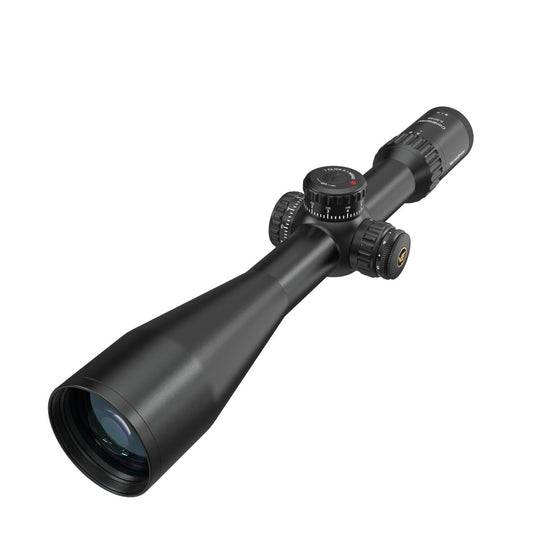
Cowitness is mainly used with red dots, reflex sights, and holographic sights, rather than traditional magnified rifle scopes.
2. Absolute vs. Lower 1/3 Cowitness
These are the two most common AR-15 cowitness configurations. The main difference is where the iron sights appear inside the optic window.
Absolute Cowitness
With absolute cowitness, the iron sights sit around the center of the optic window.
The red dot's optical center is approximately level with the iron-sight line, creating a direct sight picture and an easy transition between the two aiming systems.
Lower 1/3 Cowitness
With lower 1/3 cowitness, the iron sights sit toward the bottom third of the window.
This leaves more open space around the red dot, which many shooters prefer for a cleaner view. Using the iron sights generally requires a slight change in eye position.
You may also see 1/3 cowitness or 1 3 cowitness used for the same configuration.
| Feature | Absolute Cowitness | Lower 1/3 Cowitness |
|---|---|---|
| Iron sight position | Centre of window | Lower third |
| Common AR-15 height | 1.41–1.50 in | 1.57–1.73 in |
| Main benefit | Direct transition to irons | More open red dot view |
| Trade-off | More visible iron sights | Slight head movement |
| Common pairing | Folding iron sights | Fixed iron sights |
Neither setup is inherently more accurate. The right choice depends on your preferred sight picture and rifle configuration.
3. How Does Red Dot Height Affect Cowitness?
Red dot height and cowitness height are connected, but they aren't the same thing.
For an AR-15, optical center height is normally measured from the top of the Picatinny rail to the optic's centerline.
Common heights include:
| Optical Center Height | Setup | Typical Purpose |
|---|---|---|
| 1.41–1.50 in | Absolute Cowitness | Direct iron-sight alignment |
| 1.57–1.73 in | Lower 1/3 | Cleaner sight picture |
| 1.93 in | Tall / Heads-Up | More upright head position |
| 2.26 in | FAST-Style / NV | Heads-up and night vision |
| 2.91 in | Specialized | Dedicated equipment setups |
The actual result depends on the optic, mount, iron sights, and firearm together.
A taller mount isn't automatically better. A 1.93-inch setup generally won't cowitness with standard AR-15 iron sights, while 2.26-inch and 2.91-inch configurations are typically selected for heads-up shooting, equipment clearance, or specialized applications.
4. AR-15 vs. AK: Does Red Dot Height Work the Same Way?
Not quite.
AR-15
AR-15 optic heights are relatively easy to compare because the measurement normally uses the flat-top Picatinny rail as the reference.
This is why heights such as 1.41, 1.57, 1.93, 2.26, and 2.91 inches are commonly used for AR-style mounts.
AK
AK rifles can use different mounting systems, including side rails, dust-cover rails, gas-tube rails, rear-sight replacement mounts, and handguard rails.
Because the reference point can change, there is no single universal AK optic height.
As a general reference, the red dot's optical centerline may sit around 0.8–1.4 inches above the dust cover or relevant mounting surface, depending on the rifle and mount.
The goal is to keep the optic as low as practical while maintaining a comfortable cheek weld, clear sight picture, and stable mount.
5. What About Cowitness Mounts and Magnifiers?
A cowitness mount places the red dot at the height needed for your chosen sight picture.
However, the mount height alone doesn't tell the whole story. The final optical center height comes from the complete optic-and-mount combination.
A taller optic body may require a shorter mount, while a low-profile optic may need a riser or spacer.
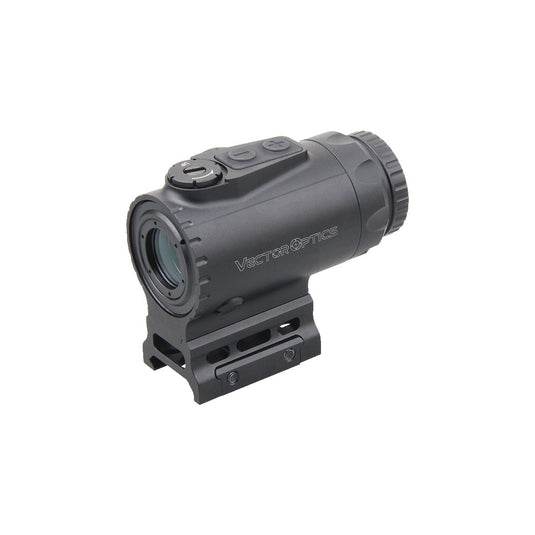
Does a Magnifier Affect Cowitness?
Not directly.
Think of these as two separate relationships:
Cowitness = Red Dot + Iron Sights
Magnifier Alignment = Magnifier + Red Dot
When the magnifier sits behind the red dot, their optical centerlines need to work together.
As a general reference:
- 1.50 in red dot → 1.50 in magnifier setup
- 1.93 in red dot → 1.93 in magnifier setup
- 2.26 in red dot → 2.26 in magnifier setup
Depending on the setup, you may need a flip-to-side mount, riser, spacer, or adapter.
For micro red dots, also check the footprint and adapter system before deciding on the final height.
6. How Do You Choose the Right Cowitness Setup?
Start with your rifle, iron sights, and shooting style.
AR-15 + Fixed Iron Sights: Lower 1/3 is often preferred for a less obstructed red dot view.
AR-15 + Folding Iron Sights: Absolute cowitness can provide a more direct transition when the sights are deployed.
No Cowitness Needed: Consider taller options such as:
- 1.93 in — More upright, heads-up position
- 2.26 in — FAST-style and night vision setups
- 2.91 in — Specialized equipment
To set up a cowitness system:
- Zero the iron sights.
- Select an absolute or lower 1/3 mount.
- Install the red dot using the specified torque.
- Check the iron-sight position through the optic.
- Zero the red dot separately.
One important point: windage and elevation adjustments cannot change absolute cowitness into lower 1/3 cowitness. Changing the physical height requires a different mount, riser, or spacer.
For AK platforms, there is no universal height. Choose the lowest practical setup that provides a comfortable cheek weld, clear sight picture, and secure mounting solution.
Final Takeaway
For a traditional AR-15 setup, the choice is usually straightforward:
Absolute Cowitness — Iron sights sit near the center of the optic window.
Lower 1/3 Cowitness — Iron sights sit lower, leaving more open space around the red dot.
Taller setups such as 1.93, 2.26, and 2.91 inches are generally chosen for shooting posture, equipment clearance, or specialized applications rather than traditional cowitness.
The best setup isn't simply the highest or lowest option. It's the one that fits your rifle, optic, iron sights, mount, and shooting style.
For a traditional AR-15 setup, the choice is usually straightforward:
Absolute Cowitness — Iron sights sit near the center of the optic window.
Lower 1/3 Cowitness — Iron sights sit lower, leaving more open space around the red dot.
Taller setups such as 1.93, 2.26, and 2.91 inches are generally chosen for shooting posture, equipment clearance, or specialized applications rather than traditional cowitness.
The best setup isn't simply the highest or lowest option. It's the one that fits your rifle, optic, iron sights, mount, and shooting style.
FAQ
1. Does the red dot need to sit directly on the front sight post?
No. During normal red-dot use, the dot doesn't need to sit on the front sight post.
The front sight and red dot only need to align when you're intentionally using the iron sights, and both systems should be properly zeroed.
2. Why doesn't my lower 1/3 cowitness look exactly like one-third?
Because "lower 1/3" is a general configuration, not an exact measurement.
The final view can change depending on the optic window, optical center height, mount, rail, and iron-sight height.
Two setups can both be called lower 1/3 while looking slightly different.
3. Can I turn absolute cowitness into lower 1/3 by adjusting the red dot?
No.
Windage and elevation adjustments change the optic's zero, not its physical height.
You'll need a different mount, riser, or spacer to change the cowitness position.
4. Do the red dot and magnifier need exactly the same center height?
Not always.
Their optical paths need to be compatible, but the published height measurements don't necessarily have to be identical.
Check the manufacturer's specifications, available spacers, and the magnifier's adjustment range before finalizing the setup.
5. Will adding a magnifier change my red dot zero?
A magnifier does not independently zero the red dot. Its adjustment controls only reposition the image inside the magnifier.
Still, it's good practice to confirm your red dot zero after installing or changing an optic or mount.
Best Sellers