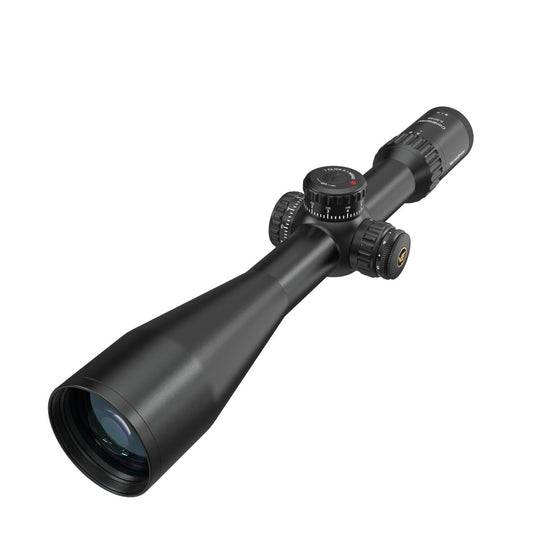

From Magnification to Eye Relief: A Practical Look at Binoculars
Binoculars make distant subjects appear closer while allowing comfortable two eye viewing. Understanding terms such as 10×32, FOV, exit pupil, eye relief, BaK 4, and phase correction coating makes it easier to choose and use the right binoculars.
This guide covers binocular basics, key specifications, adjustment methods, and models for different activities.
1. What Are the Main Parts of Binoculars?
A binocular is a handheld optical device that magnifies distant subjects for viewing with both eyes. This design provides a natural, comfortable viewing experience for bird watching, wildlife observation, hiking, travel, sporting events, concerts, and sightseeing.
Most binoculars include these basic controls:
| Component | Function |
|---|---|
| Focus Wheel | Adjusts overall image focus. |
| Diopter Adjustment Ring | Compensates for differences between your eyes. |
| Twist Up Eyecups | Set the proper eye to eyepiece distance. |
| Accessory Mounting Slot | Holds compatible accessories. |
2. How Does Binocular Vision Improve Viewing?
Binoculars use both eyes to create a more natural view and provide useful depth information.
2.1 What Is Binocular Vision?
Binocular vision allows both eyes to combine slightly different images into one view, helping the brain understand depth and spatial relationships.
2.2 How Does Binocular Disparity Help With Depth?
Binocular disparity is the difference between the images seen by each eye.
-
Larger disparity = closer objects
-
Smaller disparity = farther objects
2.3 How Do Binoculars Work With Natural Vision?
By magnifying distant subjects while using both eyes, binoculars support comfortable viewing and help with judging depth, distance, and movement.
3. What Do the Numbers on Binoculars Mean?
Binocular numbers usually indicate magnification and objective lens diameter.
For example, the Continental 10×32 ED Binocular (SCBO 26) has:
-
10× magnification for greater viewing reach
-
32 mm objective lens for a balance of brightness and portability
Binoculars are commonly categorized as Pocket, Compact, Full Size, and High Magnification models.
4. How Can You Read Binocular Specifications?
Beyond magnification and objective lens size, optical coatings, prism glass, focusing systems, and viewing specifications all affect performance.
4.1 What Do Different Lens Coatings Do?
| Lens Coating | Description | Benefit |
|---|---|---|
| Fully Multi Coated | Multiple anti reflective coatings on air to glass surfaces. | Supports higher light transmission and clearer images. |
| Phase Correction Coating | Corrects phase shift in roof prisms. | Improves resolution, contrast, and sharpness. |
| Silver Coating | Reflective coating on prism surfaces. | Improves light reflectivity and brightness. |
| Dielectric Coating | Multilayer reflective prism coating. | Maximizes brightness and color accuracy. |
4.2 Which Prism Glass Is Used in Binoculars?
| Prism Glass | Description | Benefit |
|---|---|---|
| BK 7 | Standard optical prism glass. | Good performance for entry level binoculars. |
| BaK 4 | High refractive index optical glass. | Brighter images and better edge sharpness. |
| SK 15 | Premium high refractive index prism glass. | Excellent brightness and edge to edge quality. |
4.3 What Are the Main Prism Types?
| Prism Type | Description | Benefit |
|---|---|---|
| Roof Prism | Straight line optical design with aligned lenses. | Compact and easy to carry. |
| Porro Prism | Offset design with separated objective lenses. | Better depth perception and wider viewing. |
| Reverse Porro Prism | Compact Porro prism variation. | Smaller size with good optical performance. |
4.4 Which Focusing System Should You Know?
| Focusing System | Description | Common Use |
|---|---|---|
| Center Focus | One wheel adjusts both barrels. | General viewing. |
| Individual Focus | Each eyepiece focuses separately. | Marine use and long distance observation. |
| Fixed Focus | Preset focus requires little adjustment. | Quick viewing of distant subjects. |
4.5 What Does Linear Field of View Mean?
| Linear FOV | Description | Benefit |
|---|---|---|
| 113 m / 114 m / 142 m @ 1,000 m | Visible width at 1,000 meters. | Helps locate and follow moving subjects. |
| 340 ft / 342 ft / 426 ft @ 1,000 yds | Visible width at 1,000 yards. | Helps locate and follow moving subjects. |
4.6 What Is Angular Field of View?
Typical values include 5.8°, 6.5°, and 8.1°.
Angular FOV expresses the viewing width as an angle. A larger value indicates a wider viewing area.
4.7 What Is Exit Pupil?
Exit Pupil is the diameter of the light beam leaving the eyepiece.
Common values include 3.2 mm, 3.38 mm, and 4 mm. A larger exit pupil can provide a brighter image in low light.
4.8 Why Does Eye Relief Matter?
Eye Relief is the distance between your eye and the eyepiece while maintaining the full image.
Common values include 13.6 mm, 14.7 mm, 15.5 mm, and 17.5 mm. Longer eye relief is especially useful for eyeglass wearers.
4.9 What Does Diopter Compensation Do?
Diopter Compensation independently adjusts one eyepiece to account for differences between your eyes.
Typical ranges include ±3 and ±4, helping both eyes achieve a sharp, balanced image.
5. How Should You Adjust Your Binoculars?
Proper adjustment improves clarity and viewing comfort.
5.1 How Should You Set the Eyecups?
Adjust the twist up eyecups according to whether you wear glasses. Set them to position your eyes correctly and maintain the full image.
5.2 How Do You Set the Interpupillary Distance?
Interpupillary Distance (IPD) is the distance between your pupils.
Move the two barrels until the circular images merge into one clear image.
5.3 How Do You Focus the Left Side?
Look through the left eyepiece only and turn the focus wheel until the image is sharp.
5.4 How Do You Fine Tune the Diopter?
Look through the right eyepiece only and adjust the diopter ring until the image is equally sharp.
6. Which Binoculars Suit Different Activities?
Continental 8×32 ED Binocular (SCBO-25)
The Continental 8×32 ED Binocular (SCBO-25) combines ED optics, phase correction coating, and a magnesium alloy body for clear colors and fine details. It is well suited to bird watching.
Paragon 10×32 GenII HD Binocular (SCBO-24)
The Paragon 10×32 GenII HD Binocular (SCBO-24) offers 10× magnification, 8.1° FOV, and HD clarity in a lightweight design for hiking, travel, and birdwatching.
Forester 7×50 Binocular (SCBO-16)
The Forester 7×50 Binocular (SCBO-16) features a 7 mm exit pupil, 20 mm eye relief, 6.67° FOV, fully multi coated lenses, and BaK 4 Porro prisms for bright outdoor viewing.
Forester 10×50 Binocular (SCBO-17)
The Forester 10×50 Binocular (SCBO-17) combines a 50 mm objective lens, BaK 4 Porro prisms, IP67 waterproofing, and a magnesium aluminum alloy body for long distance observation.
VictOptics 10×42 Binocular (BOSL04)
The VictOptics 10×42 Binocular (BOSL04) offers an affordable 10×42 configuration for sightseeing, wildlife observation, and everyday outdoor use.
Final Thoughts
Choosing binoculars starts with understanding magnification and objective lens diameter. Then consider FOV, optical coatings, prism glass, focusing system, exit pupil, eye relief, and diopter compensation.
Properly setting the eyecups, IPD, focus wheel, and diopter can further improve clarity and comfort.
FAQ
1. Does Higher Magnification Always Mean Better Viewing?
No. Higher magnification can reveal more detail but may reduce FOV and make image shake more noticeable. The right choice depends on the application.
2. Why Can Binoculars With the Same Magnification Look Different?
Image brightness depends on objective lens diameter, optical coatings, prism quality, and light transmission, so binoculars with the same magnification can produce different images.
3. How Are Binoculars Different From Spotting Scopes?
Binoculars offer magnification, portability, and two eye viewing comfort. Spotting scopes generally provide higher magnification and are often used with a tripod.
4. Are ED Binoculars Worth It?
ED glass reduces chromatic aberration and can improve image clarity, especially with high contrast subjects.
5. What Binocular Magnification Is Best for Beginners?
8× or 10× are common choices because they provide useful magnification while remaining manageable for handheld viewing.
Best Sellers