
Best PRS Rifle Scope Guide: Magnification, Reticle & Competition Setup
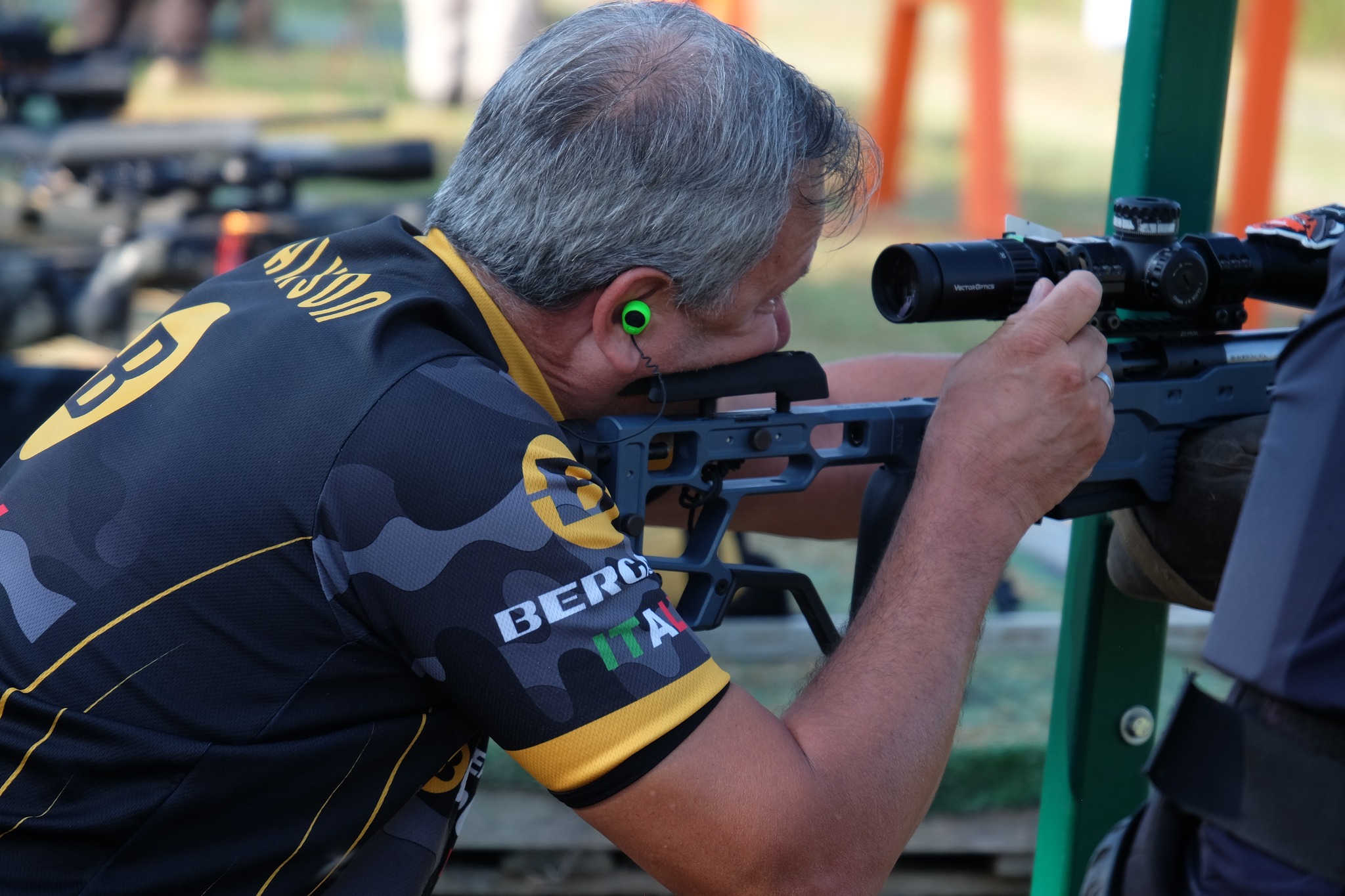
If you’re getting into Precision Rifle Shooting (PRS), you’re stepping into one of the most technical and fast-paced disciplines in modern shooting sports.
PRS isn’t just about hitting targets at long range—it’s about reading the stage, adapting positions, and making fast decisions under time pressure.
Most stages require shooters to fire around 10 rounds within 2 minutes, often from multiple shooting positions. That means your scope has to perform in every situation—not just on paper.
So what actually makes a good PRS scope?
1. PRS Magnification: What Should You Run?
Distances in PRS can range from 10 meters up to 1000+ meters, depending on the match format.
Typical categories:
- Rimfire PRS: 20–300m
- Centerfire PRS: 300–1000m+
This wide range makes magnification choice critical.
Common PRS scope ranges:
- 3–15x / 4–16x → lightweight, flexible setups
- 3–24x / 5–30x → most popular PRS range
- 4–32x / 6–48x → high precision long-range setups
Why LPVOs Don’t Fit PRS Well
LPVOs are great for dynamic or tactical shooting, but PRS requires more resolution at distance. At long range, limited magnification becomes a real disadvantage.
Real Competition Insight
Top-level shooters rarely run full max magnification.
For example, elite PRS competitor Austin Buschman is known to use:
- 12–18x for most stages
- Up to 16–20x only when needed
Why?
Because higher magnification can:
- Increase visible shake
- Reduce field of view
- Slow down target transitions
Most experienced shooters stay in the 15–17x sweet spot for balance between clarity and stability.
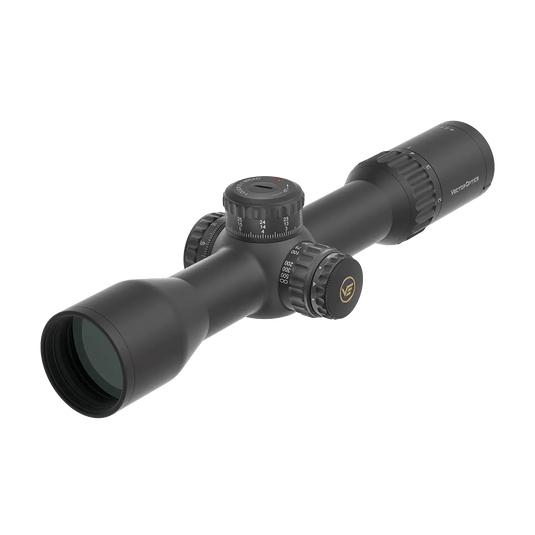
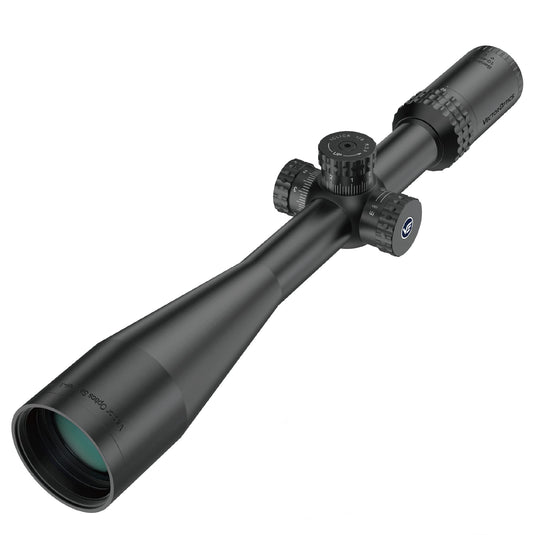
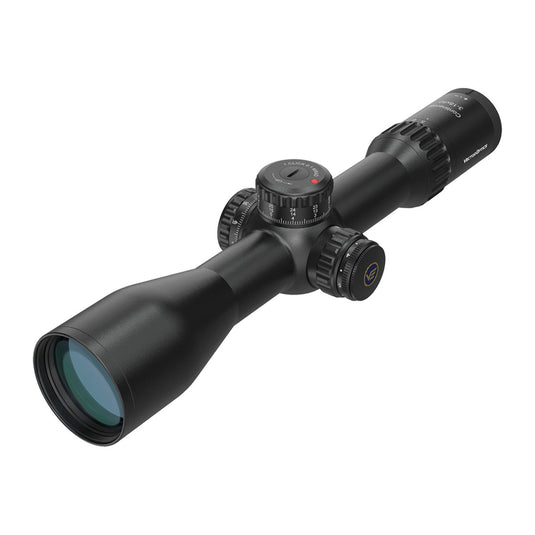
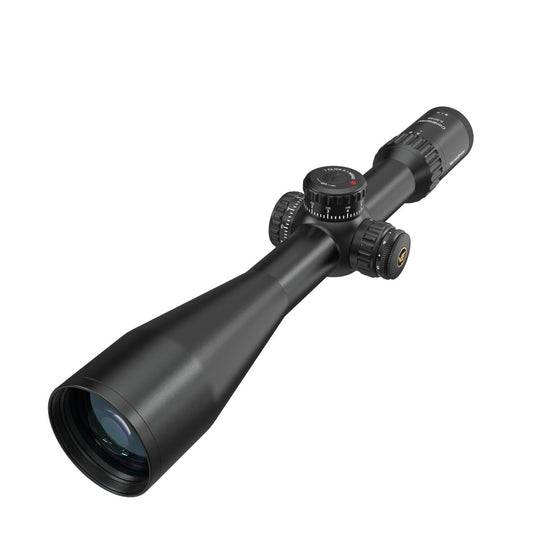
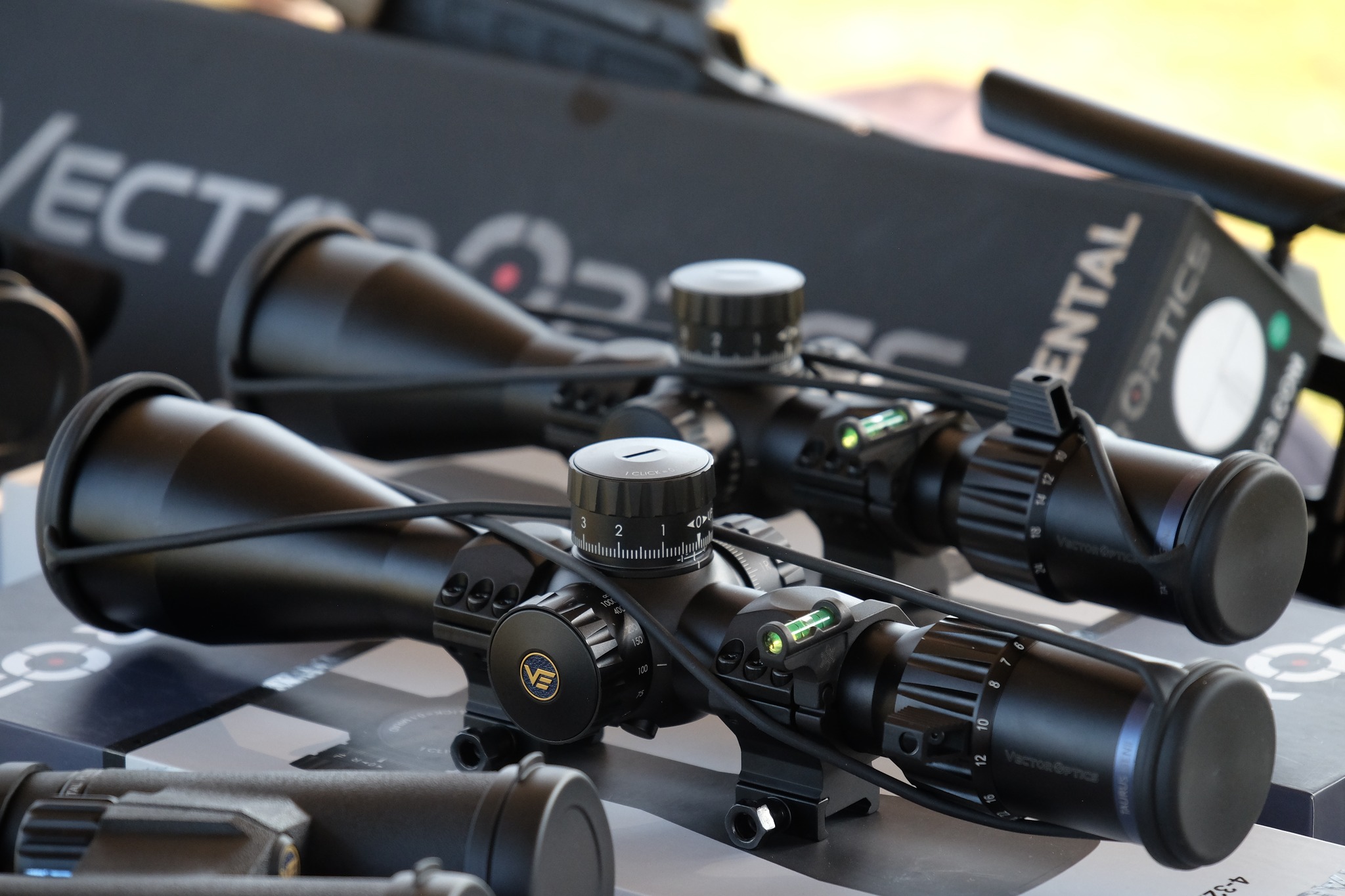
Recommended PRS Scopes
These all sit in the commonly used PRS working range.
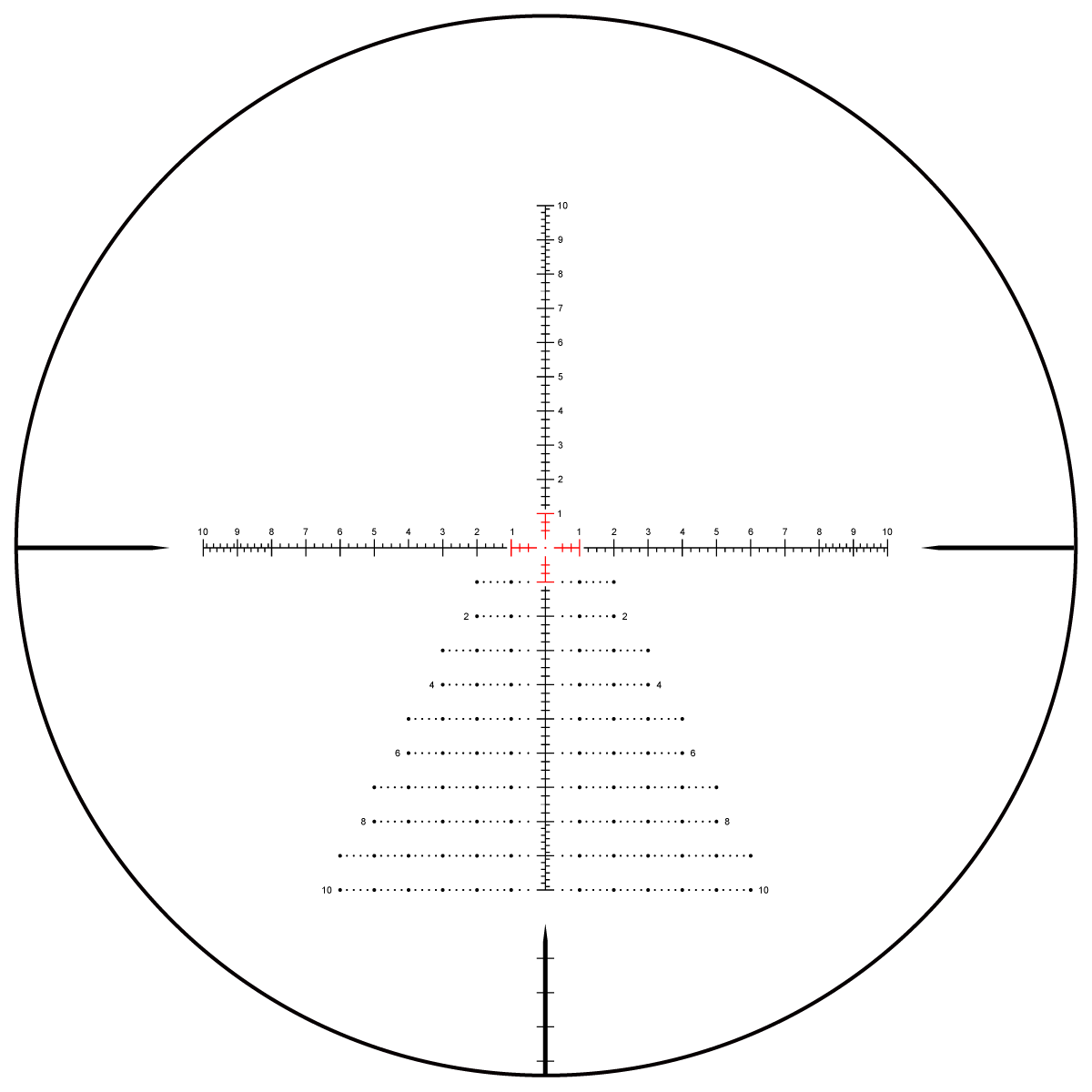
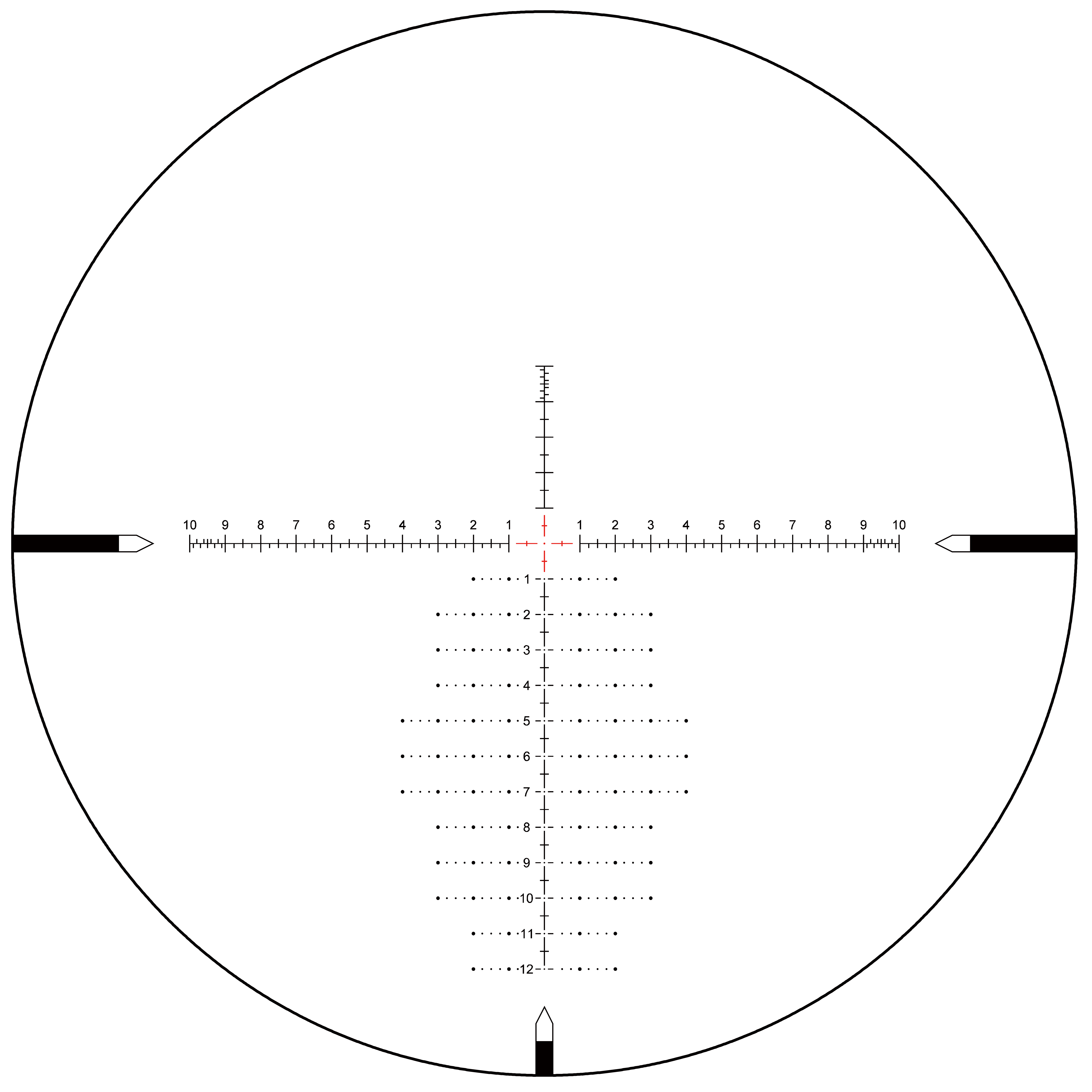
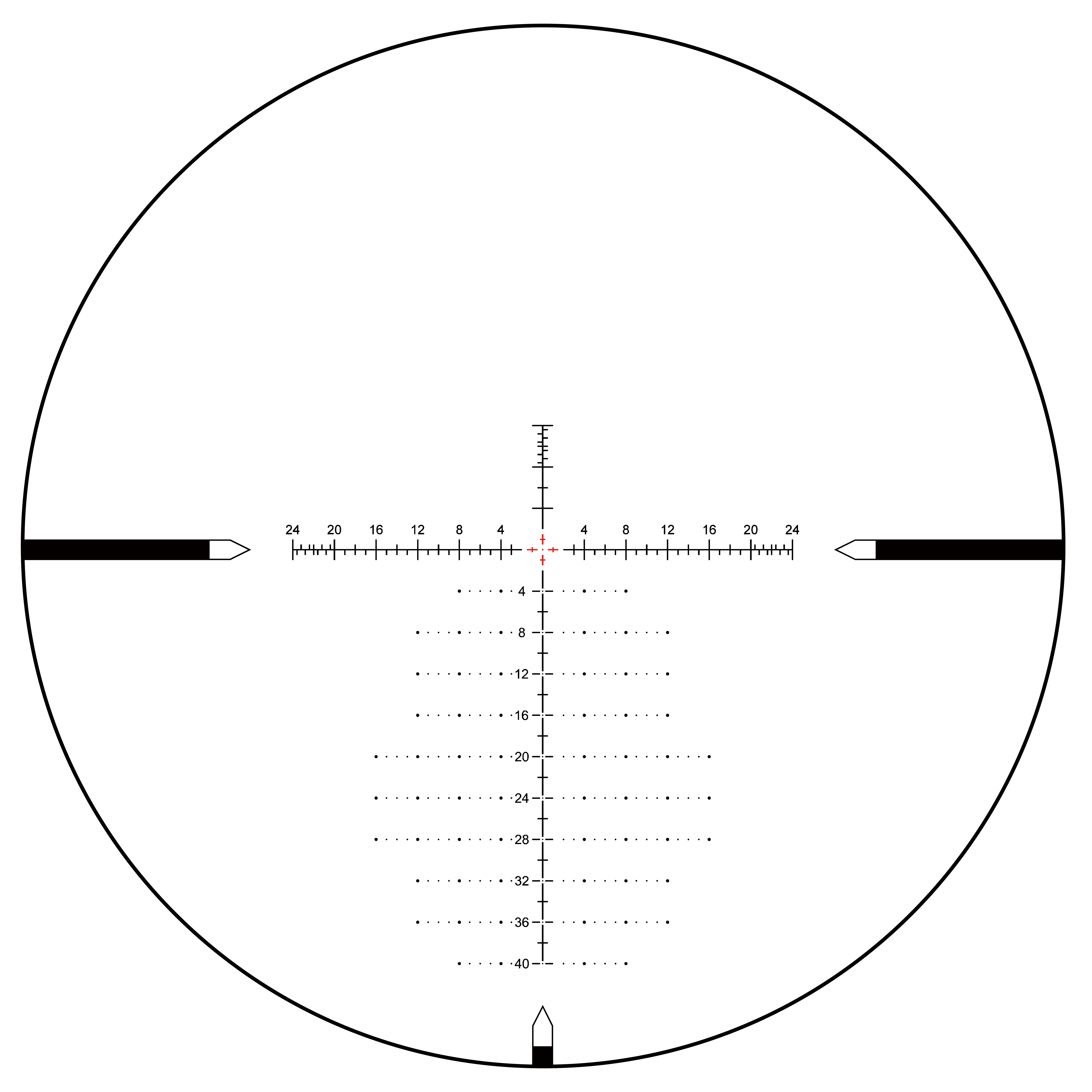
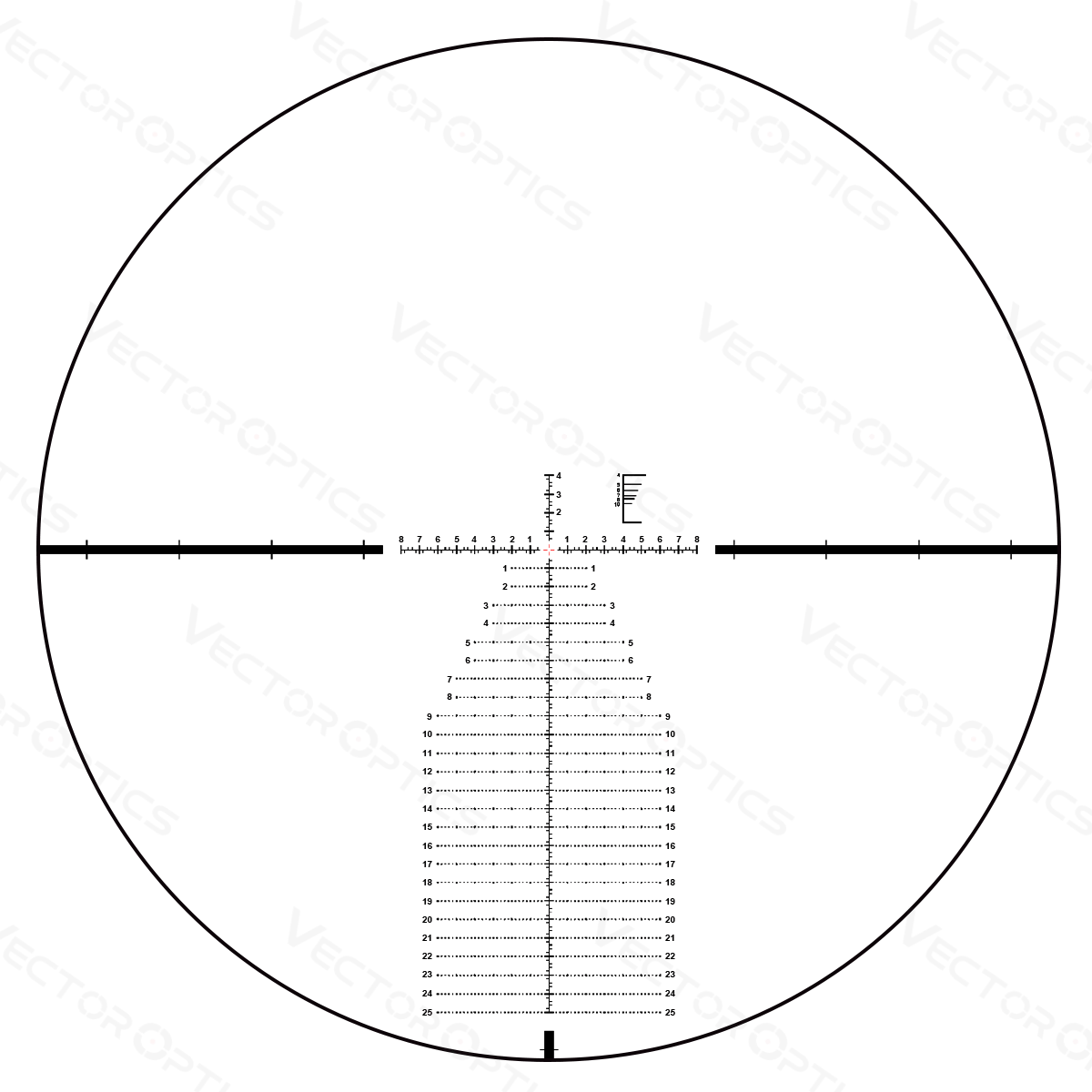
2. Reticle Choice for PRS Scopes
Your reticle is your main reference system for wind, elevation, and holds.
MIL vs MOA
Almost all PRS shooters prefer MIL-based systems because:
- Faster mental calculations
- Easier communication in squads
- Industry-wide standard in competition
MOA still works—but MIL is the dominant language in PRS.
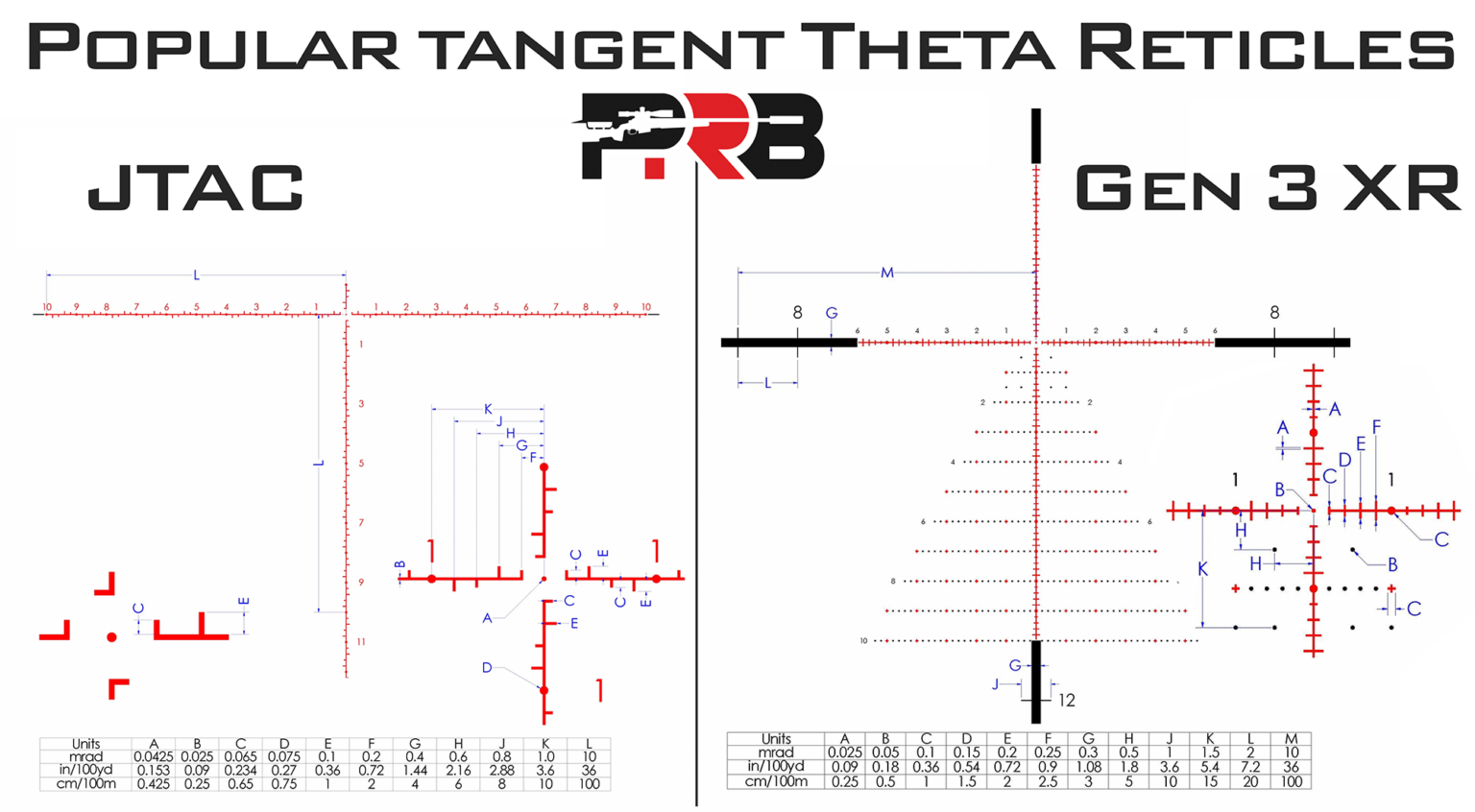
Christmas Tree vs Simple Reticle
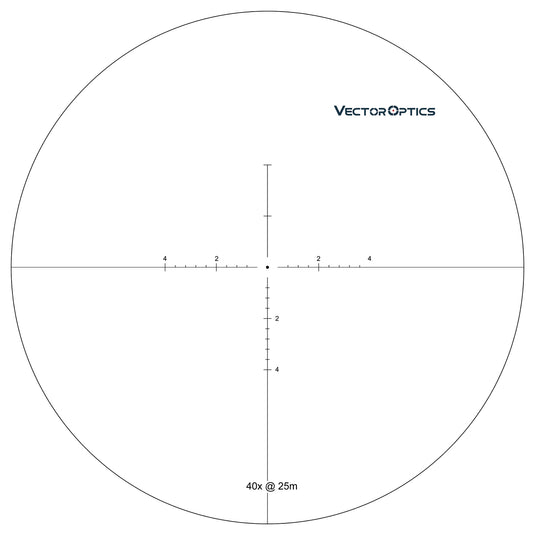
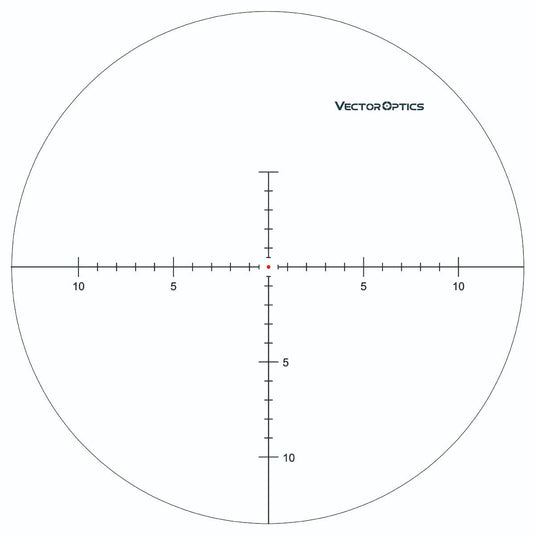
Simple Crosshair Reticle
Clean and minimal design.
Pros:
- Very open sight picture
- Easier to spot targets and trace impacts
Cons:
- Limited holdover reference
- More reliance on turret dialing
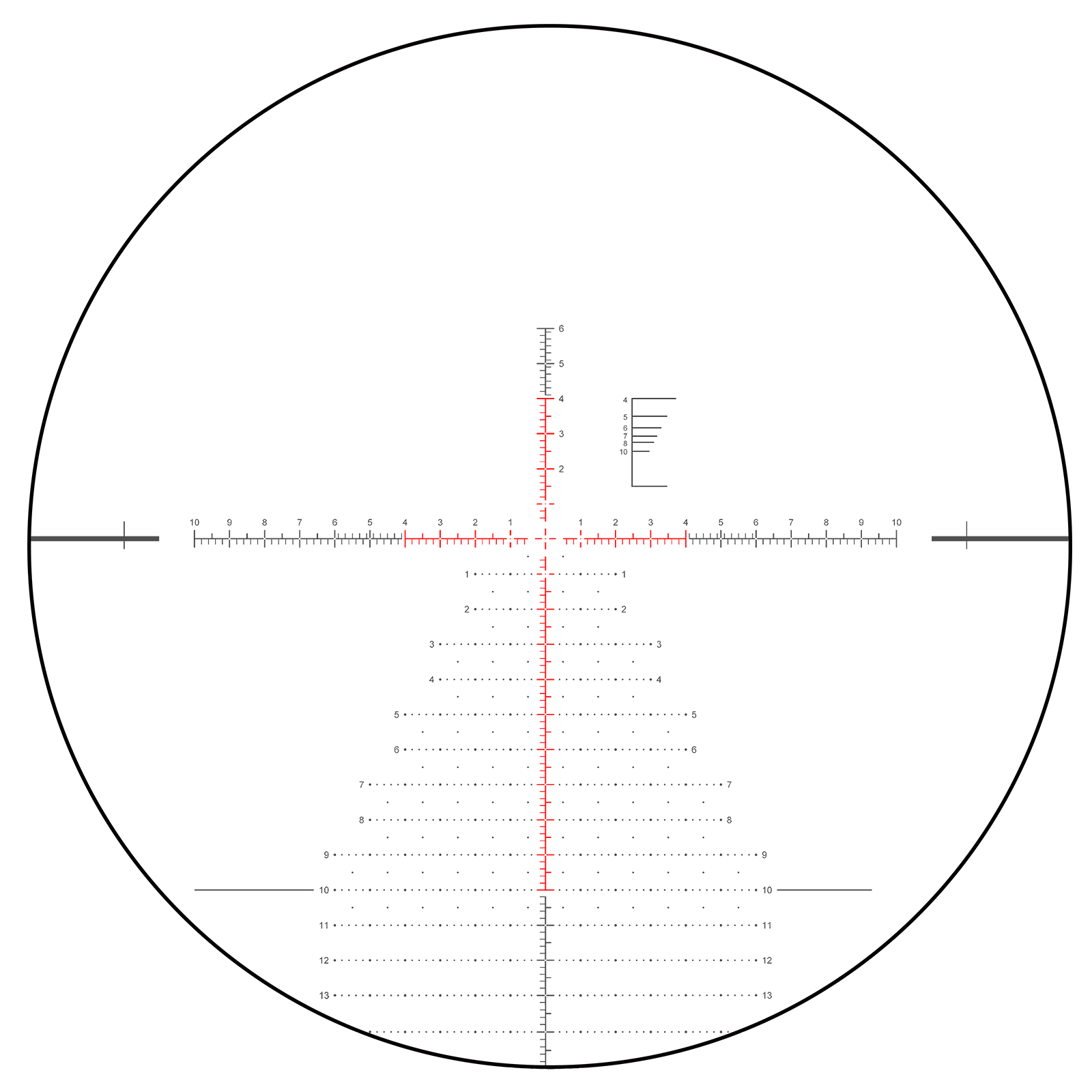
Christmas Tree Reticle
Most widely used in PRS (around 70–80% at top level).
Pros:
- Fast wind holds
- Quick elevation reference
- Efficient in timed stages
Cons:
- Can feel visually dense
- Requires familiarity to use smoothly
What Do Pros Prefer?
Some elite shooters prefer minimal reticles for better target visibility and trace reading. However, there is no universal “best”—it depends on shooting style and stage demands.
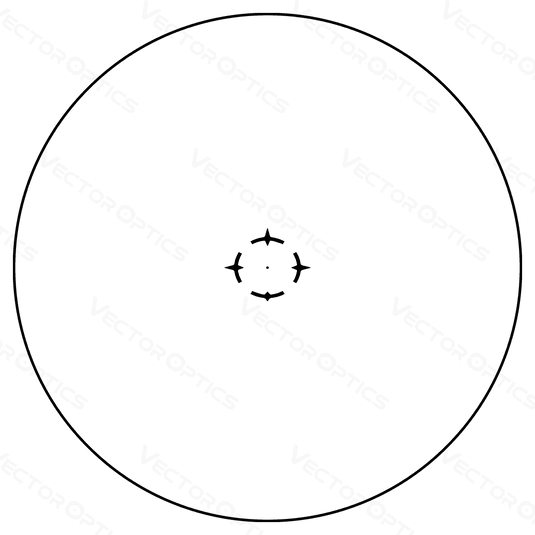
2.3 Center Dot Size in PRS
At long distances, a thick center dot can obscure small steel targets.
Most PRS shooters prefer:
- Fine center aiming point
- Minimal target coverage
- Better precision beyond 800m
2.4 MIL Coverage Reference Table
| Distance | 0.1 MIL | 0.2 MIL | 1 MIL |
|---|---|---|---|
| 100 m | 1 cm (0.39 in) | 2 cm (0.79 in) | 10 cm (3.94 in) |
| 800 m | 8 cm (3.15 in) | 16 cm (6.30 in) | 80 cm (31.50 in) |
| 1000 m | 10 cm (3.94 in) | 20 cm (7.87 in) | 100 cm (39.37 in) |
3. Binoculars vs Spotting Scopes in PRS
Long-range shooting requires observation tools beyond the rifle optic.
Binoculars (Fast Scanning Tool)
Why shooters use them:
- Both eyes open improves awareness
- Faster target scanning
- Lightweight and portable
Best range:
- Up to ~1000 yards
Typical magnification:
- 10–15x
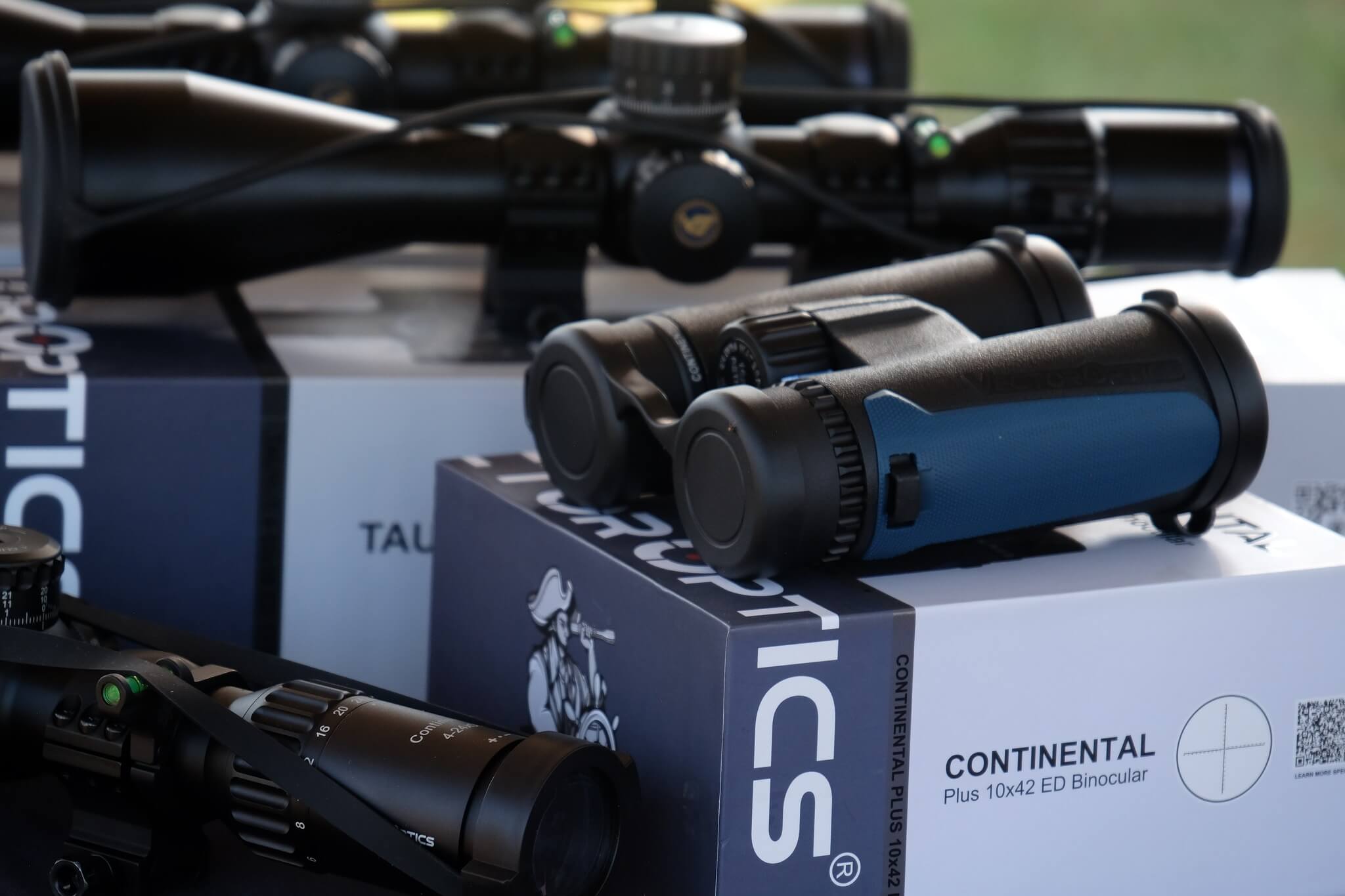
If you prefer a lighter, more versatile setup, go with the Continental 15x56 ED Binocular (SCBO-09) or the Continental 10x42 ED Green OD Binocular (SCBO-15).
Spotting Scopes (Precision Observation Tool)
Used for:
- Confirming impacts
- Reading long-range targets
- Fine detail observation
Pros:
- High magnification
- Extremely clear target detail
Cons:
- Can cause eye fatigue over long use
Spotting Scope Table
|
Model |
||
|
Magnification |
12–40x |
20–60x |
|
Objective |
60mm |
80mm |
|
Focal Plane |
FFP |
FFP |
|
Glass |
ED Glass |
ED Glass |
|
Waterproof |
IP67 |
IP67 |
|
Weight |
1659g / 58.52oz |
2215g / 78.13oz |
|
Linear Field of |
5.9-1.9m @100m |
4.0-1.4 m @100 m |
|
Reticle |
|
|


Binoculars Table
|
Model |
|||
|
Magnification |
10x |
10x |
15x |
|
Objective Lens |
42mm |
42mm |
56mm |
|
Min. Focal Distance |
2.5m |
N/A |
3.7m |
|
Prism Type |
Roof Prism ED Lens |
Roof Prism ED Lens |
Abbe-Konig Prism ED Lens |
|
Light Transmission |
88% |
88% |
90% |
|
Linear Field of View |
366 ft @ 1000yds (122 m @ 1000 m) |
366 ft @ 1000 yds (122 m @ 1000 m) |
210 ft @ 1000 yds (70 m @ 1000 m) |
|
Angular Field of View |
7 ° |
7 ° |
4 ° |
|
Material |
Aluminum Alloy |
Aluminum Alloy |
Aluminum Alloy |
|
Housing Material |
Semi-aromatic Thermoplastic |
Semi-aromatic Thermoplastic |
Semi-aromatic Thermoplastic |
|
Weight |
810 g / 28.57oz |
804 g / 28.4 oz |
1302 g / 45.93 oz |
4. PRS Turret System Essentials
A PRS-ready scope must include:
- Audible + tactile clicks
- Zero stop system
- Turret lock
- Revolution indicator
Want to better understand turret types and features before choosing a PRS scope? This guide breaks it down: Rifle Scope Turrets Explained: Types, Features & How to Use Them
Why it matters:
PRS stages are fast. You don’t have time for guesswork—your turret must be reliable and intuitive.
5. Tube Size: 30mm vs 34mm
Tube diameter affects adjustment range.
- 30mm → standard versatility
- 34mm → more elevation travel + long-range flexibility
Tube size can affect both fit and performance, so it’s worth knowing which option matches your setup: 30mm vs 34mm vs 1-Inch: What Scope Tube Size Is Best for You?
6. Tracking & Durability
PRS scopes must:
- Track consistently
- Return to zero precisely
- Survive heavy recoil
High-end optics are tested under extreme recoil cycles for reliability across multiple calibers.
7. Eyebox & Field of View
A good PRS scope should offer:
- Fast target reacquisition
- Forgiving head position
- Wide usable FOV
PRS is positional—your head is rarely perfectly aligned.
8. Weather Resistance
PRS matches happen in all conditions:
- Heat
- Rain
- Dust
- Temperature shifts
Look for:
- IP67 waterproof rating
- Anti-fog sealing
- Thermal stability
9. Recommended Rifle Scopes
|
Model |
|||||
|
Tube Dia |
34mm |
34mm |
34mm |
34mm |
34mm |
|
Magnification |
6-36x |
5-25x |
6-24x |
6-24x |
4-24x |
|
Objective Lens |
56mm |
56mm |
50mm |
50mm |
56mm |
|
Linear FOV @100yd |
21.6–3.6 ft |
23.56–4.76 ft |
20.42–5.13 ft |
20.42–5.13 ft |
30.6–5.1 ft |
|
Linear FOV @100m |
7.2–1.2 m |
7.85–1.59 m |
6.81–1.71 m |
6.81–1.71 m |
10.2–1.7 m |
|
Angular FOV |
4.13–0.69° |
4.5–0.91° |
3.9–0.98° |
3.9–0.98° |
5.9–1.0° |
|
Click Value |
1/10 MIL |
1/10 MIL |
1/10 MIL |
1/4 MOA |
1/10 MIL |
|
Side Focus |
15 yd–∞ |
10 yd–∞ |
10 yd–∞ |
10 yd–∞ |
10 yd–∞ |
|
Elevation Adj. Range |
31 MIL |
32 MIL |
32 MIL |
110 MIL |
34 MIL |
|
Windage Adj. Range |
18 MIL |
30 MIL |
32 MIL |
110 MIL |
16 MIL |
|
Turret Function |
Zero Stop / Turret Lock / Revolution Indicator |
Zero Stop / Turret Lock / Revolution Indicator |
Zero Stop / Turret Lock / Revolution Indicator |
Zero Stop / Turret Lock / Revolution Indicator |
Zero Stop / Turret Lock |
|
Illumination Setting |
11 gears |
6 gears |
6 gears |
6 gears |
6 gears |
|
Reticle |
|
|
|
|
|
10. Final Takeaway
A PRS scope isn’t just optics—it’s a performance tool.
What matters most:
- Fast decision-making
- Stable tracking
- Clear sight picture
- Reliable mechanics under stress
The best setup is the one that lets you focus on the stage—not your gear.
FAQ
Q1: Should PRS shooters change magnification during a stage?
Most shooters keep a fixed magnification during stages to stay fast and consistent, avoiding unnecessary adjustments under time pressure.
Q2: What reduces fatigue in PRS matches?
A forgiving eyebox, strong light transmission, and quick target reacquisition help reduce eye strain during long competition days.
Q3: How should parallax be set in PRS?
Set parallax slightly beyond target distance to minimize reticle shift and improve stability on uneven shooting positions.
Best Sellers