
What Is Eye Box and How Does It Affect Rifle Scope Performance?
When choosing a rifle scope, shooters often focus on magnification, glass quality, and objective lens size. However, eye box is just as important for a fast and comfortable shooting experience.
A forgiving eye box, proper rifle scope eye relief, and suitable exit pupil help you achieve a clear sight picture without perfect head positioning.
1. What Is Eye Box on a Rifle Scope?
So, what is eye box on a rifle scope?
The eye box is the three-dimensional area behind a scope where your eye can move while still seeing a full and clear image.
If your eye moves outside this area, you may experience dark shadows, reduced visibility, or image blackout.

In simple terms:
- Large eye box: More forgiving eye movement and faster target acquisition
- Small eye box: Requires more precise head positioning

A scope with a forgiving eye box feels easier to use because you can quickly find a clear sight picture after mounting your rifle.
This is especially important for hunting, competitions, and situations where speed matters.
2. How Do Exit Pupil and Eye Relief Affect Eye Box?
Many shooters ask: what is exit pupil?
Exit pupil is the diameter of the light beam that leaves the scope’s eyepiece and reaches your eye. A larger exit pupil usually provides more flexibility in eye positioning, which can make the eye box feel more comfortable.
Lower magnification settings typically create a larger exit pupil, allowing faster and easier sight acquisition.

Another common question is: what is eye relief on a rifle scope?
Eye relief refers to the distance between your eye and the scope where you can still see the complete image.
For those searching what is rifle scope eye relief, it is important to understand that eye relief and eye box describe different things:
- Eye relief = the correct viewing distance
- Eye box = the amount of movement allowed within that viewing area

Together, exit pupil, eye relief, and optical design determine how natural a scope feels behind the rifle.
3. Why Does Eye Box Become Smaller at Higher Magnification?
Many shooters notice that a scope feels comfortable at low power but becomes harder to use at maximum magnification.
This happens because higher magnification usually reduces exit pupil size and narrows the usable eye position.
As magnification increases:
- More precise head positioning is required
- Shadowing becomes easier to notice
- Target acquisition can take longer
Even premium optics experience this effect. It is a natural trade-off of higher magnification.
That is why a balanced design between magnification, eye box, exit pupil, and rifle scope eye relief is essential.
4. How Does Eye Box Differ Between LPVO, MPVO, and Prism Scopes?
When comparing optics, eye box performance is often an important factor, especially for LPVO, MPVO, and prism scopes.
Although these optics all require proper eye alignment, their designs serve different shooting purposes.
| Optic Type | Common Applications | Eye Box Characteristics |
|---|---|---|
| LPVO | Close-to-medium range shooting, fast target transitions | Prioritizes a forgiving eye box for quick sight acquisition, especially at low magnification |
| MPVO | Precision shooting, hunting, and longer-range use | Focuses on stable viewing and comfortable eye position at higher magnification |
| Prism Scope | Compact rifles, backup optics, and shooters with astigmatism | Provides consistent aiming and fast target pickup in a compact design |
In simple terms:
- LPVOs are designed for speed, so a forgiving eye box helps shooters quickly transition between targets.
- MPVOs focus more on precision, where stable eye relief and comfortable viewing at higher magnification become more important.
- Prism scopes offer consistent alignment and compact performance for lightweight setups.
No matter the optic type, the combination of eye box, exit pupil, and rifle scope eye relief determines how easy the scope is to use in real shooting situations.
5. Which Rifle Scopes Offer a Comfortable Eye Box?
A well-designed scope should provide a natural viewing experience without requiring constant head adjustments.
Some optics known for comfortable operation include:
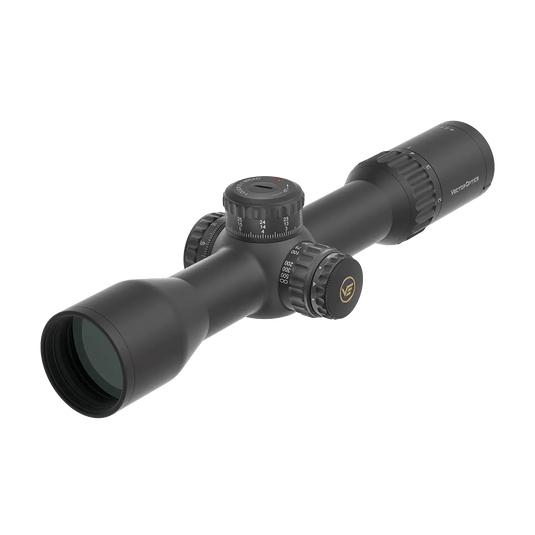
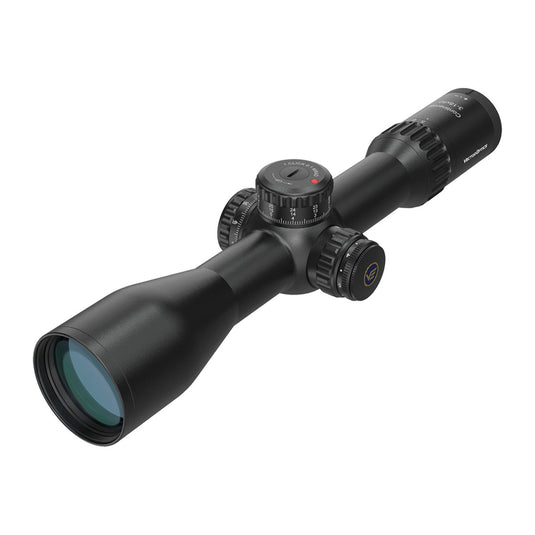
- Continental Series Rifle Scope
- Forester Series Rifle Scope
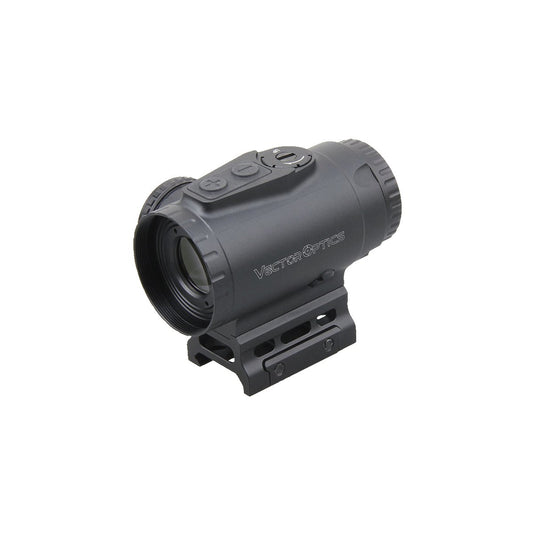
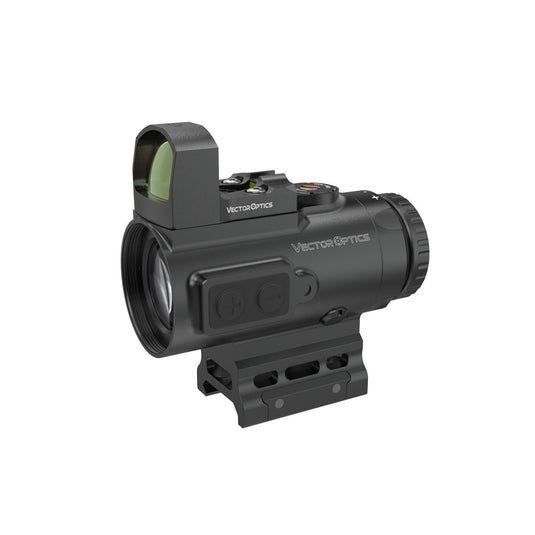
- Paragon 1x18 Mini Green Reticle Prism Scope (SCPS-M10)
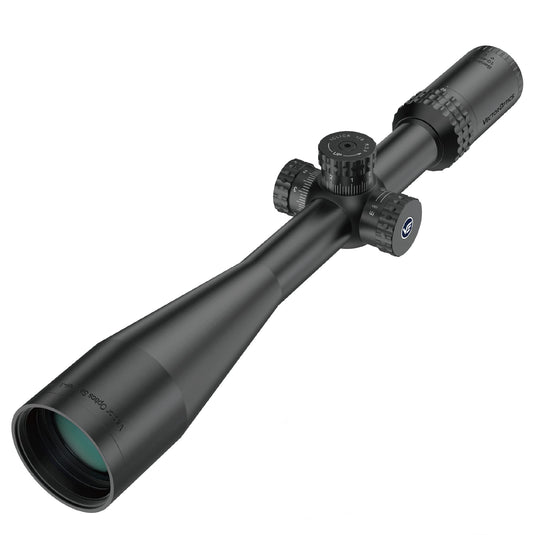
- VictOptics S6 LPVO Rifle Scope
These optics are designed to balance optical clarity, practical eye relief, and a forgiving eye box for different shooting applications.
6. Why Does Eye Box Matter When Choosing a Rifle Scope?
So, why should shooters care about eye box?
Because a scope is only useful when you can quickly see a clear image when it matters.
A good eye box allows you to:
- Get on target faster
- Maintain a comfortable shooting position
- Reduce time spent adjusting your head
- Stay consistent during repeated shots
While specifications like magnification and objective lens size are important, they do not tell the whole story.
The overall shooting experience depends on how well different optical features work together:
- Eye box affects viewing flexibility
- Eye relief determines comfortable viewing distance
- Exit pupil influences how much light reaches your eye
Understanding these factors helps shooters choose a scope that feels intuitive and easy to use.
FAQ
1. Does Mounting Position Affect Rifle Scope Eye Relief and Eye Box?
Yes.
Even a high-quality scope may feel uncomfortable if it is mounted incorrectly. Scope height, mounting position, stock setup, and cheek weld all affect how naturally your eye aligns with the optic.
Proper setup helps you achieve the correct rifle scope eye relief and get the most out of the scope’s eye box.
2. Why Do Two Scopes With Similar Specifications Have Different Eye Box Performance?
Because eye box depends on more than just magnification and objective size.
Optical design, lens arrangement, internal structure, exit pupil, and eye relief all influence how forgiving a scope feels.
Two optics with similar specifications can provide completely different shooting experiences due to differences in optical engineering.
3. Is Eye Box the Same as Eye Relief?
No.
Although they are closely related, eye box and eye relief describe different aspects of scope usability.
Eye relief is the distance between your eye and the scope where you can see a complete image.
Eye box is the available viewing area where your eye can move while maintaining that image.
In short:
-
Eye relief tells you where your eye should be
-
Eye box tells you how much movement you have
Both are important when selecting a comfortable rifle scope.
4. Does a Larger Objective Lens Create a Bigger Eye Box?
Not necessarily.
A larger objective lens can increase exit pupil size at certain magnification settings, which may help create a more forgiving viewing experience.
However, objective lens size alone does not determine eye box performance.
Factors such as:
-
Magnification
-
Exit pupil
-
Eye relief
-
Optical design
all work together to determine how comfortable a scope feels.
Best Sellers