
The Difference Between HD, ED, and HT Glass | Rifle Scope Lens Guide
Understanding HD, ED, and HT Lenses | Vector Optics Technology Explained
Optical technology has significantly advanced, offering a variety of lenses such as HD (High Definition), ED (Extra-Low Dispersion), and HT (High Transmission). Each lens offers unique advantages to enhance image quality. However, it’s important to note that different brands may apply these terms differently.
This article explains the significance of HD and ED lenses in Vector Optics and how they improve image performance when combined with other lens technologies.
1. What Does HD Glass Mean in Vector Optics?
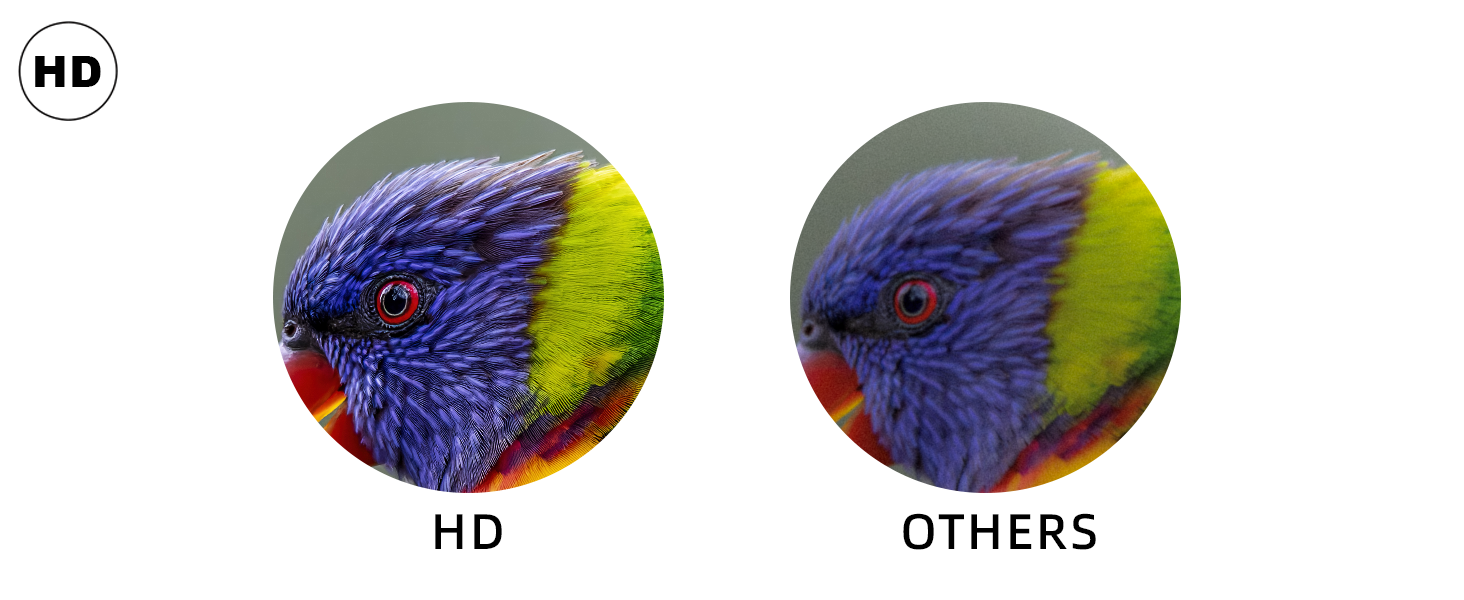
HD, or High Definition glass, is all about delivering a sharper and more detailed image. It’s designed to keep visuals crisp, especially when you increase magnification.
Think about observing a bird through your optic. With standard glass, you may see the general shape clearly. With HD glass, you start noticing finer details—like feather texture and edge definition—which makes the image feel much more precise and lifelike.
This becomes even more important at higher magnification levels, where image clarity often begins to degrade. In Vector Optics products, this level of clarity is represented by the LaREE HD Lens, which is used in premium configurations.
2. How Do ED Lenses Improve Image Quality?
ED stands for Extra-Low Dispersion, and its main purpose is to reduce chromatic aberration—the color fringing that can appear around objects, especially in high-contrast environments.
With ED glass, colors look more natural and consistent. A red object stays true red instead of shifting toward orange, and edges appear cleaner without unwanted color bleed. This makes the overall image feel more accurate and visually comfortable.
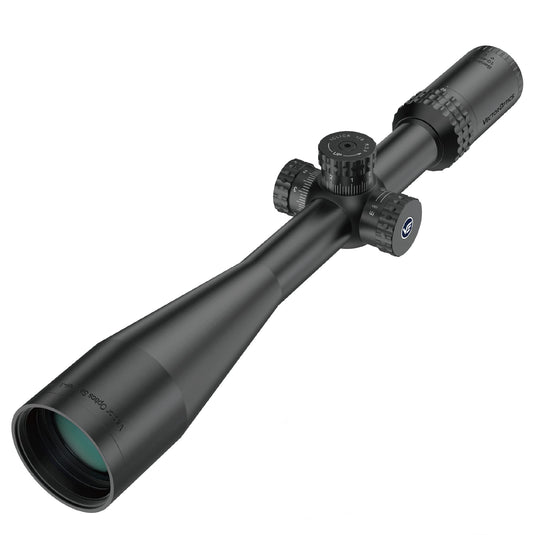
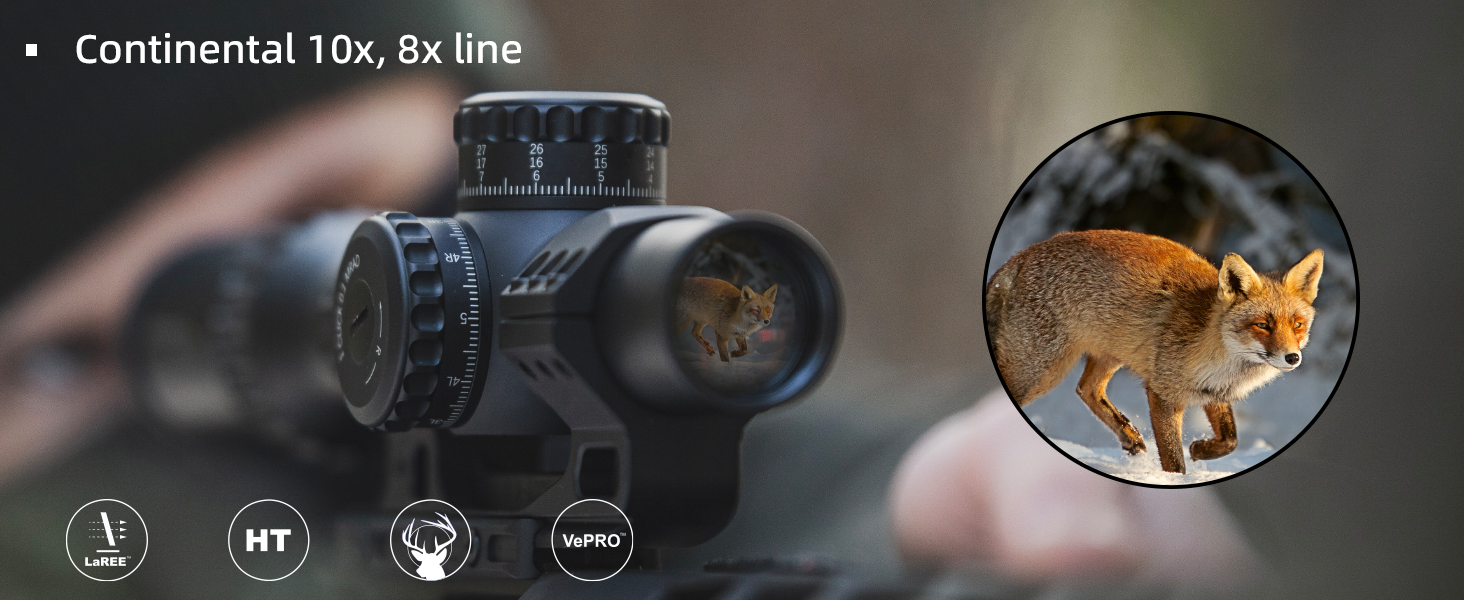
At Vector Optics, our ED objective lenses are meticulously coated to achieve up to 93% light transmission in Continental 8x & 10x Rifle Scopes, ensuring brighter and clearer images even in low-light conditions. In the Tauron series, there is the first scope Tauron 5-50x60 ED SFP Rifle Scope (SCOL-69) featuring Japanese ED glass, the refined optical design delivers an impressive 92% light transmission, balancing excellent brightness with precise color accuracy.
Another benefit is reduced eye strain. Because the image is cleaner and more balanced, your eyes don’t have to work as hard, making ED glass especially useful during extended viewing sessions such as hunting or observation.

3. What Is the Role of HT (High Transmission) Lenses?
HT, or High Transmission glass, focuses on maximizing the amount of light that passes through the optic.
Vector Optics uses German Schott HT glass, which is known for its high transparency and low light loss. The result is a noticeably brighter image compared to standard lenses.
This advantage becomes more apparent at higher magnifications. Normally, increasing magnification makes the image darker, but HT glass helps maintain brightness and clarity, allowing you to keep a usable view even when zoomed in.

4. What Are VePRO™ and FMC LaREE™ Technologies?
To simplify how these optical features are presented, Vector Optics uses two internal terms: LaREE™ and VePRO™ FMC.
LaREE™ refers to Lanthanide Rare Earth Element materials used in the lens. These materials have a high refractive index and a low Abbe number, which means they can control light more effectively and reduce chromatic distortion. In practical terms, this results in improved clarity and more accurate color rendering.

VePRO™ FMC stands for Vector Premium Reliable Optoelectronic Fully Multi-Coated. This describes the coating process applied to the lenses. Unlike standard coatings, Vector Optics develops these in-house, allowing for better control over performance. The coatings are designed to increase light transmission, enhance contrast, improve color reproduction, and deliver higher overall resolution.

When combined, these technologies work together to create a more balanced and refined image rather than focusing on just one aspect of performance.
5. How Are Lens Configuration Levels Structured in Vector Optics?
5.1 Top-Tier Level Lens Setup
LaREE HD Lens + German Schott HT Lens + ED Coating + VePROTM FMC
Our top-tier lens setup is designed to deliver unmatched optical performance. Featuring the LaREE HD lens, it provides stunning high-definition clarity, allowing you to observe even the finest details of your target with precision.
The integration of the German Schott HT lens maximizes light transmission, ensuring superior brightness and vivid image quality, even in low-light conditions.
Additionally, the ED lens coating significantly reduces chromatic aberration, eliminating color fringing and guaranteeing true-to-life color accuracy.
Together, these cutting-edge technologies work seamlessly to offer a bright, clear, and vibrant image, making this setup the ultimate choice for those seeking peak image performance during shooting experience.
5.2 Advanced Level Setup
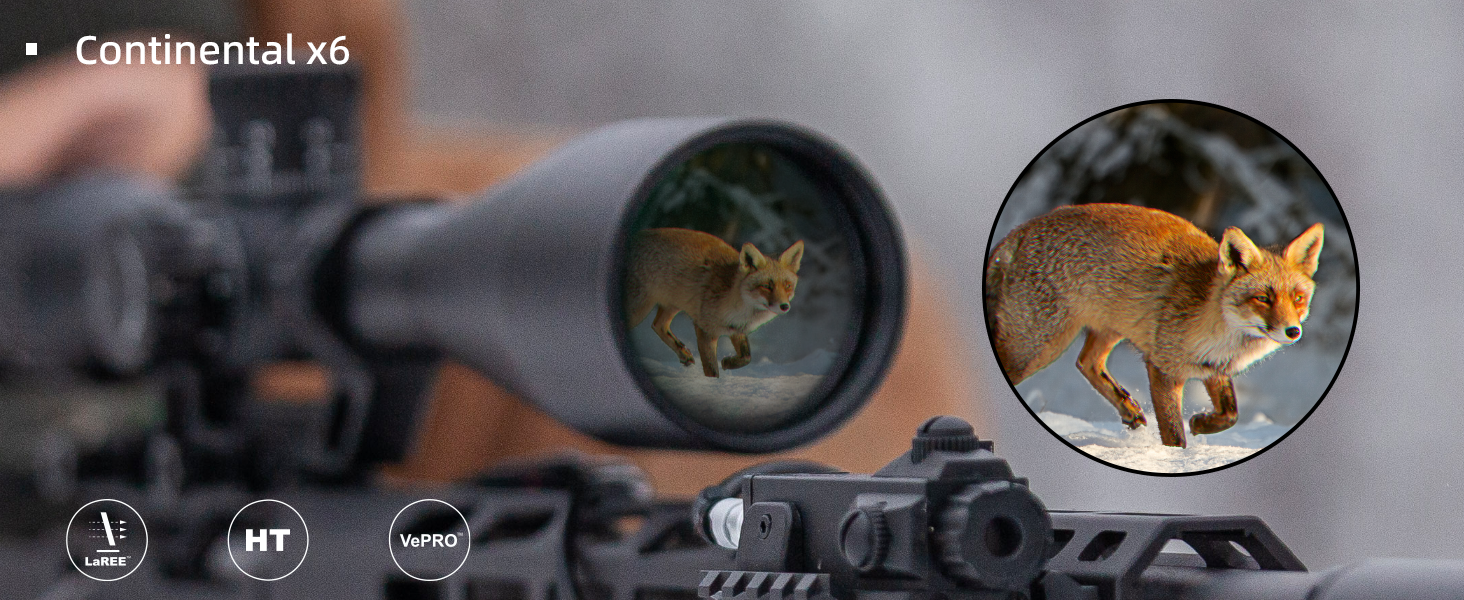
LaREE HD Lens + German Schott HT lens + VePROTM FMC
The advanced level only exclude ED coating on objective lens dia, compare to top-tier. It focuses primarily on optimizing visibility and clarity under high magnification. The combination of LaREE HD Lens, German Schott HT and VePROTM FMC ensure the high definition and bright images, under high magnification.
5.3 Upgraded Level Setup
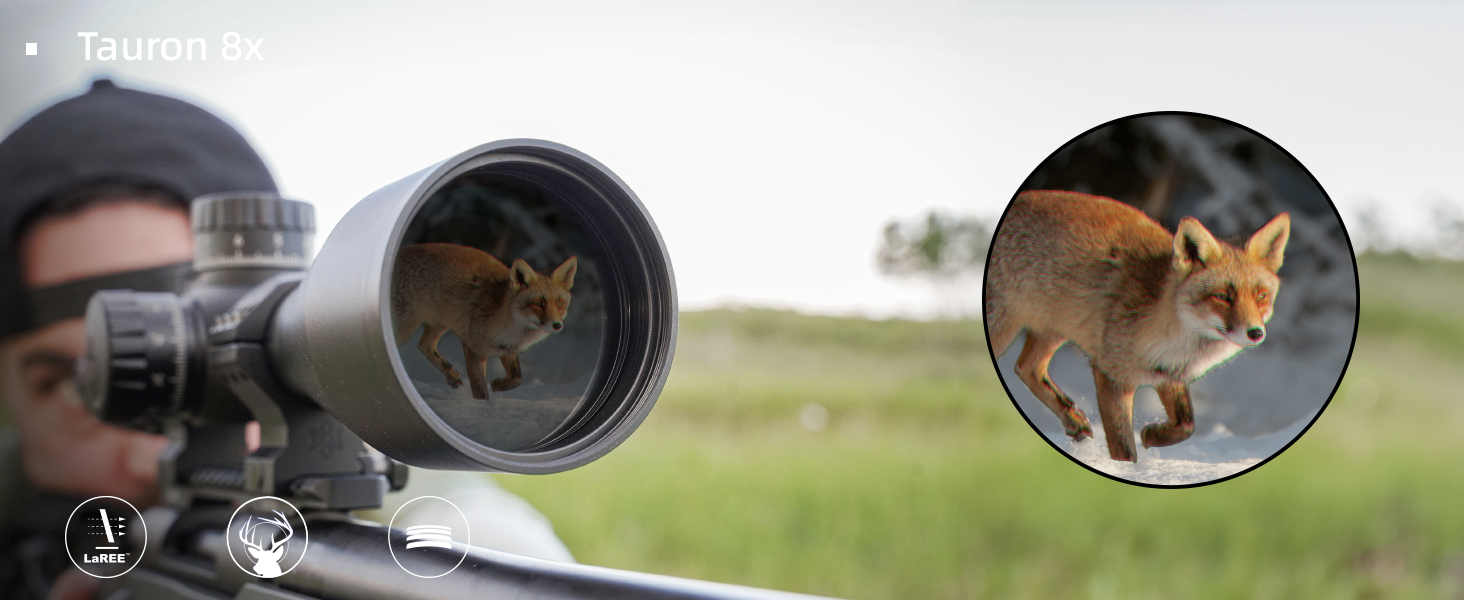
LaREE HD Lens + ED Coating + FMC
Builds upon the Lanthanide HD Lens with the addition of Extra-Low Dispersion (ED) objective lens dia, the upgraded level is tailored to satisfy the users who cares not only the image clarity but also color accuracy.
5.4 Basic Level Setup
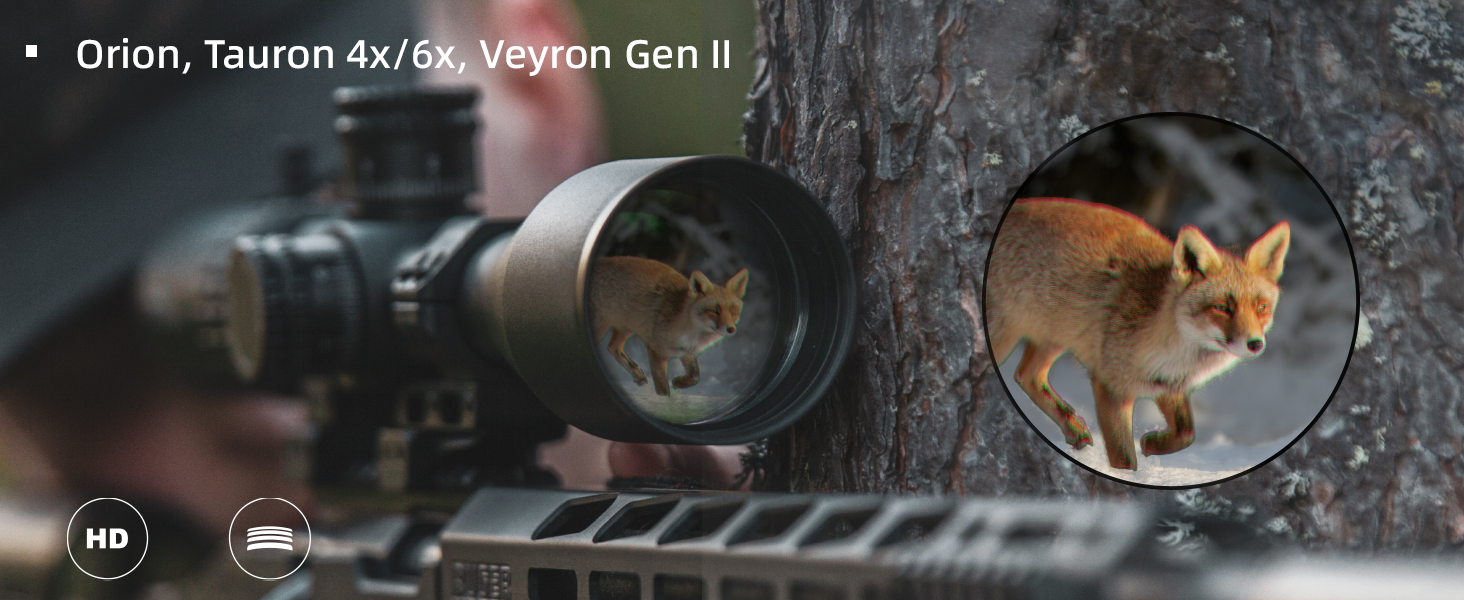
Lanthanide HD Lens + FMC
The combination of LaREE HD and FMC garuntees a crisp image.
These four tiers cater to different users' first priority, offering progressive advancements. Each level builds a tailored solution for every user, from casual enthusiasts to professionals seeking peak optical performance.
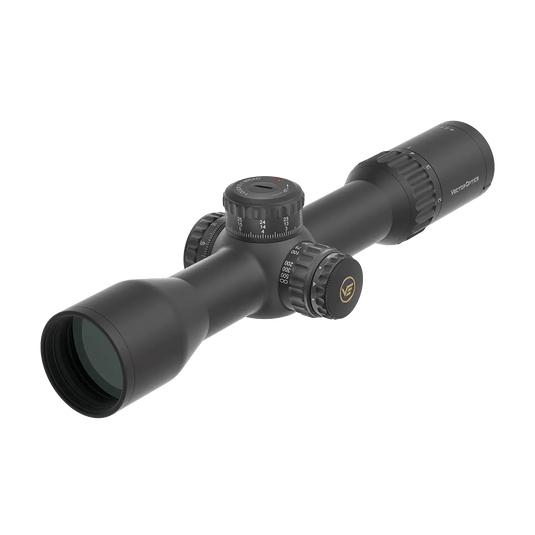
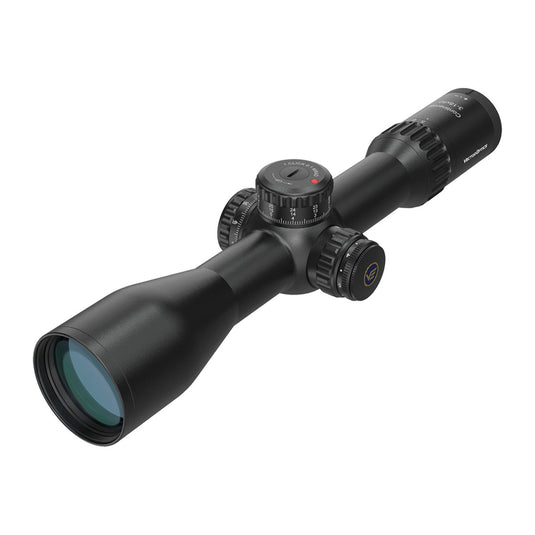
Looking for rifle scopes that feature German Schott HT glass? Explore the Continental Series to compare LPVO, MPVO, and long-range models built for hunting, PRS, and competition shooting.
6. Conclusion
The combination of LaREE HD, ED, and HT lenses, along with VePRO™ and FMC technologies, delivers unmatched optical performance across a variety of applications—from casual use to professional-grade performance. By understanding how these technologies work together, you can make an informed decision about the best setup for your needs.
Product Recommendations
| PRODUCT | LaREE HD Lens | German Shott HT Lens | ED | VePRO FMC | FMC | |
| Top | CONTINENTAL 8x 10x | √ | √ | √ | √ | |
| Advanced | CONTINENTAL 6x | √ | √ | √ | ||
| Upgraded | TAURON 8x | √ | √ | √ | ||
| Basic | TAURON 4x 6x ORION VEYRON GEII | √ | √ | |||
| OTHERS | √ | |||||
Best Sellers