
SPR or DMR? Understanding the Differences in Range, Build & Optics
Not every precision rifle is built for the same job.
Some setups are made to stay light and quick. Others put more weight behind stability and distance. That's where SPR (Special Purpose Rifle) and DMR (Designated Marksman Rifle) come in.
They share some similarities, but their ideal setups can look quite different.
1. SPR: Keep It Light, Keep It Precise
An SPR is all about finding the sweet spot between accuracy and maneuverability.
These rifles are generally configured for accurate shooting at intermediate to medium-long distances, with a typical effective range around 600 meters (656 yards).
A common SPR build may include:
-
16–18" barrel
-
Match-grade or free-floated barrel
-
1:7 or 1:8 twist
-
Adjustable stock
-
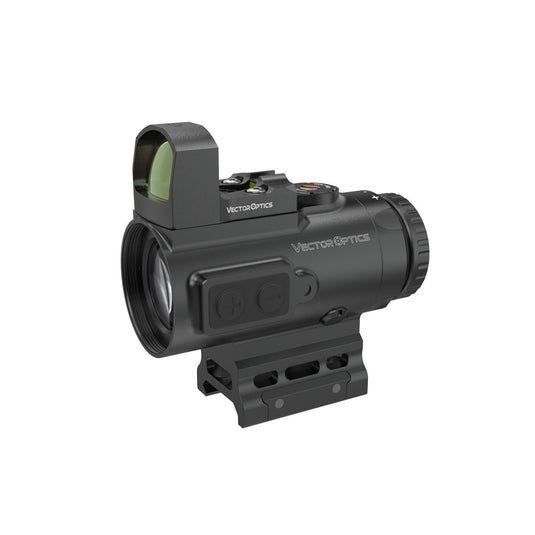
LPVO or lightweight MPVO
-
Offset or piggyback red dot
The goal isn't to build the heaviest precision rifle possible. It's to get solid accuracy without giving up speed and mobility.
2. DMR: Stretch the Distance
A DMR takes the idea of a precision semi-auto rifle a step further.
Instead of putting mobility first, the setup gives more attention to stability, observation, and longer-range accuracy. Typical DMR configurations are intended for distances around 800–1000 meters (875–1093 yards).
You'll commonly find chamberings such as:
-
7.62×51 NATO
-
.308 Win
-
6.5 Creedmoor
-
6.5×47 Lapua
Compared with an SPR, a DMR is generally more comfortable in a supported position and at extended distances.
3. SPR vs. DMR: The Short Version
If you don't want to dig through all the details, here's the basic picture:
| SPR | DMR | |
|---|---|---|
| Priority | Mobility + precision | Stability + range |
| Typical Distance | ~600 m / 656 yds | ~800–1000 m / 875–1093 yds |
| Typical Build | Lightweight | More stability-focused |
| Optic Style | LPVO / lightweight MPVO | Higher-magnification optic |
| Common Calibers | 5.56 NATO, .223 Wylde, 6mm ARC | 7.62 NATO, .308 Win, 6.5 Creedmoor |
| Ideal Strength | Fast and versatile | Precise at extended range |
Keep in mind that these are general guidelines, not strict categories. Barrel length, caliber, optic, rifle weight, and accessories can all change how a rifle performs.
4. What Should You Put on an SPR?
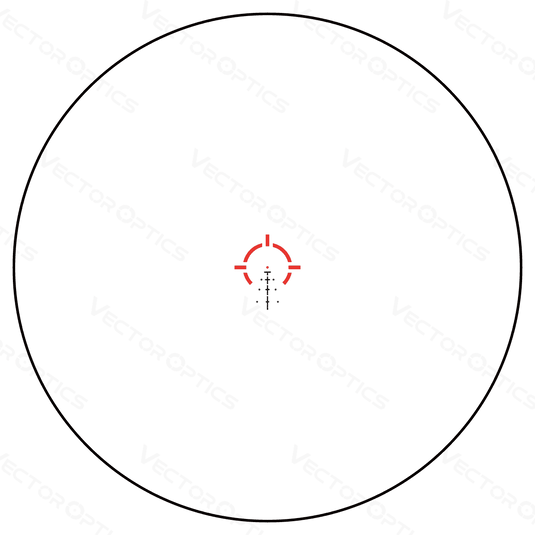
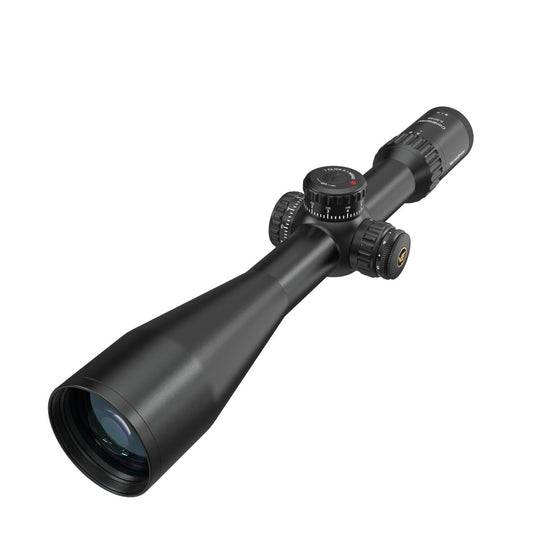
Since an SPR is expected to do a little bit of everything, its optic should be just as flexible.
Look for useful low-end magnification, a wide field of view, a straightforward reticle, comfortable eye relief, and a compact design.
Three Options to Consider
Continental x10 1-10x28 ED RAR-C — SCFF-62
A 1–10× FFP optic that covers close-range viewing and more demanding shots, with over 51 MIL of elevation adjustment, turret lock, and zero stop.
Continental 1-8x24i Fiber LPVO — SCOC-45
A lighter LPVO option featuring a fiber-optic reticle, Schott HT glass, and lockable 1/10 MIL turrets.
GenII 2-10x32 HD CTR FFP — SCFF-83
A compact 2–10× scope for adding magnification without turning the rifle into a bulky package.
5. What Makes a Good DMR Scope?
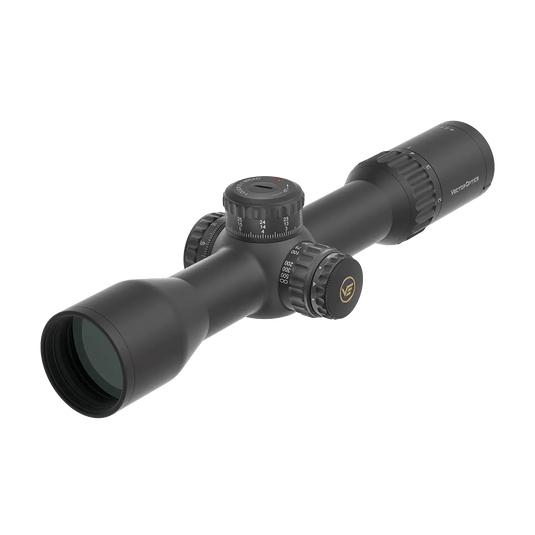
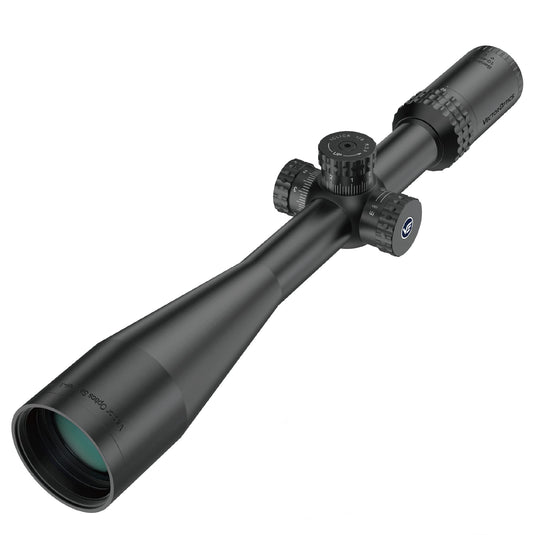
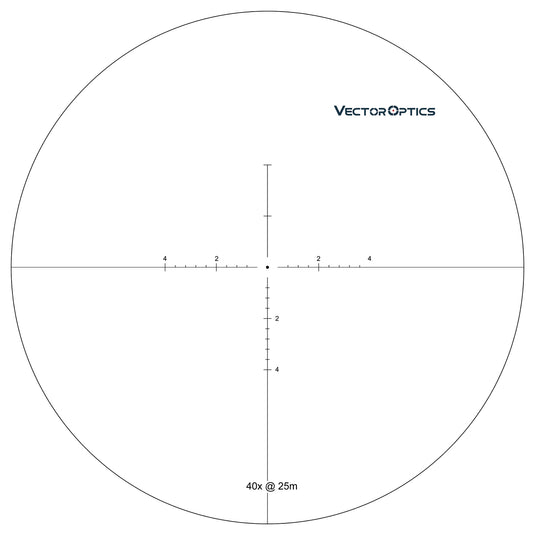
Prioritize higher magnification, clear glass, reliable adjustments, parallax control, and an FFP reticle for precision-oriented shooting.
Options Worth Checking Out
Continental x6 2-12x44 RAR FFP — SCFF-69
A 2–12× FFP optic with German Schott HT glass, 63 MIL elevation adjustment, and zero stop.
Tauron 4-16x44 HD MIL FFP — SCFF-79
Offers 4–16× magnification, 42 MIL elevation adjustment, zero stop, and turret lock.
Continental x6 3-18x50 VCT FFP — SCFF-28
A 3–18× setup with a 44 MIL adjustment range and 1/10 MIL clicks.
Continental x6 4-24x56 FFP — SCFF-39
A higher-power option with a large 56 mm objective for extended-range and low-light use.
Tauron 3-18x50 GenII — SCFF-64
Combines FFP holdovers with turret adjustments, zero stop, turret lock, and 1/10 MIL clicks.
6. Which Direction Makes More Sense?
There's no need to overthink the labels.
Pick an SPR-style setup when:
You care about mobility, quick handling, flexibility, and practical precision.
Lean toward a DMR setup when:
You want more stability, more magnification, and better capability at longer distances.
And the two aren't completely separate worlds. A 16-inch AR-15, for example, can be configured in a lighter SPR-style package or given a more DMR-oriented setup with a higher-power optic.
So rather than asking "Which rifle is better?", ask:
Where will you shoot, how far will you shoot, and how much mobility do you want?
That will usually point you in the right direction.
FAQ
1.Can the same rifle serve as both an SPR and DMR?
Yes. Optic choice, barrel setup, rifle weight, stock, and accessories can shift the rifle toward either role.
2.Should I choose FFP or SFP?
For precision-focused setups, FFP is popular because the reticle maintains its subtensions throughout the magnification range. SFP can also be a good option when you primarily use a specific magnification.
3.Does an SPR or DMR need a bipod?
Not necessarily. A bipod adds stability but also weight. It's often a natural fit for a stability-focused DMR, while a lighter SPR build may favor a more mobile support setup.
4.Is a DMR basically a sniper rifle?
Not quite. A DMR focuses on extended-range precision while retaining a flexible semi-auto role. A sniper rifle is generally designed around a more specialized long-range precision role.
Best Sellers