
Red Dot vs Green Dot Sights: Which One Should You Choose?
Red dot sights and green dot sights are now everyday essentials for hunters, sport shooters, tactical users, and anyone who wants faster target acquisition. Instead of lining up traditional iron sights, shooters can place an illuminated reticle on target and react faster with more confidence.
But here is the big question: should you go red or green?
Both sight types do the same basic job, but the color of the reticle can change how the optic feels in real-world use. Lighting, background, eye sensitivity, battery life, and personal vision all play a role. Let’s break it down in a simple way.
1. Red Dot and Green Dot Sights: What Is the Real Difference?
The main difference is exactly what it sounds like.
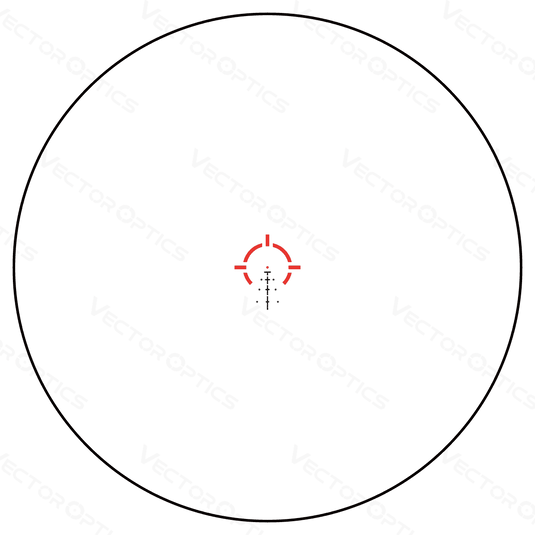
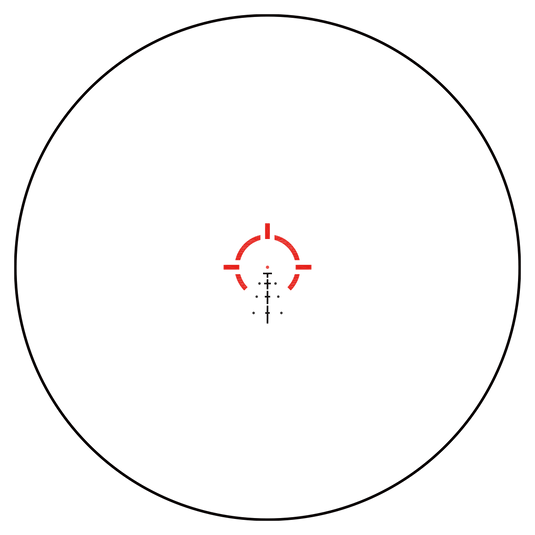
A red dot sight uses a red illuminated reticle.
A green dot sight uses a green illuminated reticle.
Both are designed for quick aiming and fast target pickup. However, green light sits closer to the peak sensitivity range of the human eye, which is why many shooters feel that a green dot looks brighter, sharper, or easier to follow in bright outdoor conditions.
That does not automatically mean green is always better. It simply means green may have an edge in certain environments, especially under strong daylight.
2. Why Many Shooters Like Green Dot Sights?
Green dot sights are getting more popular for good reasons. They are bright, easy to track, and often feel very natural in outdoor shooting scenarios.
2.1 Easier to See in Bright Daylight
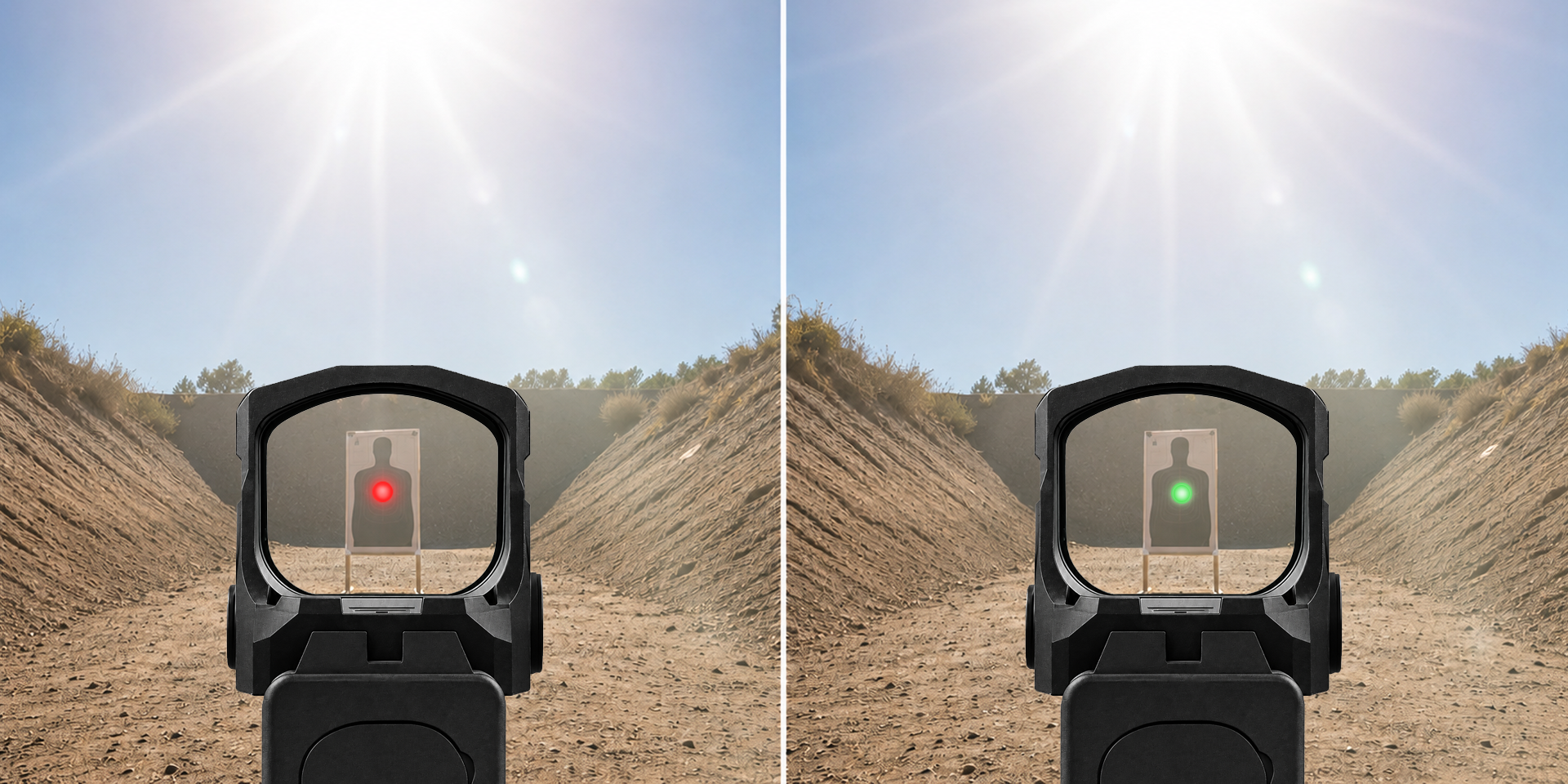
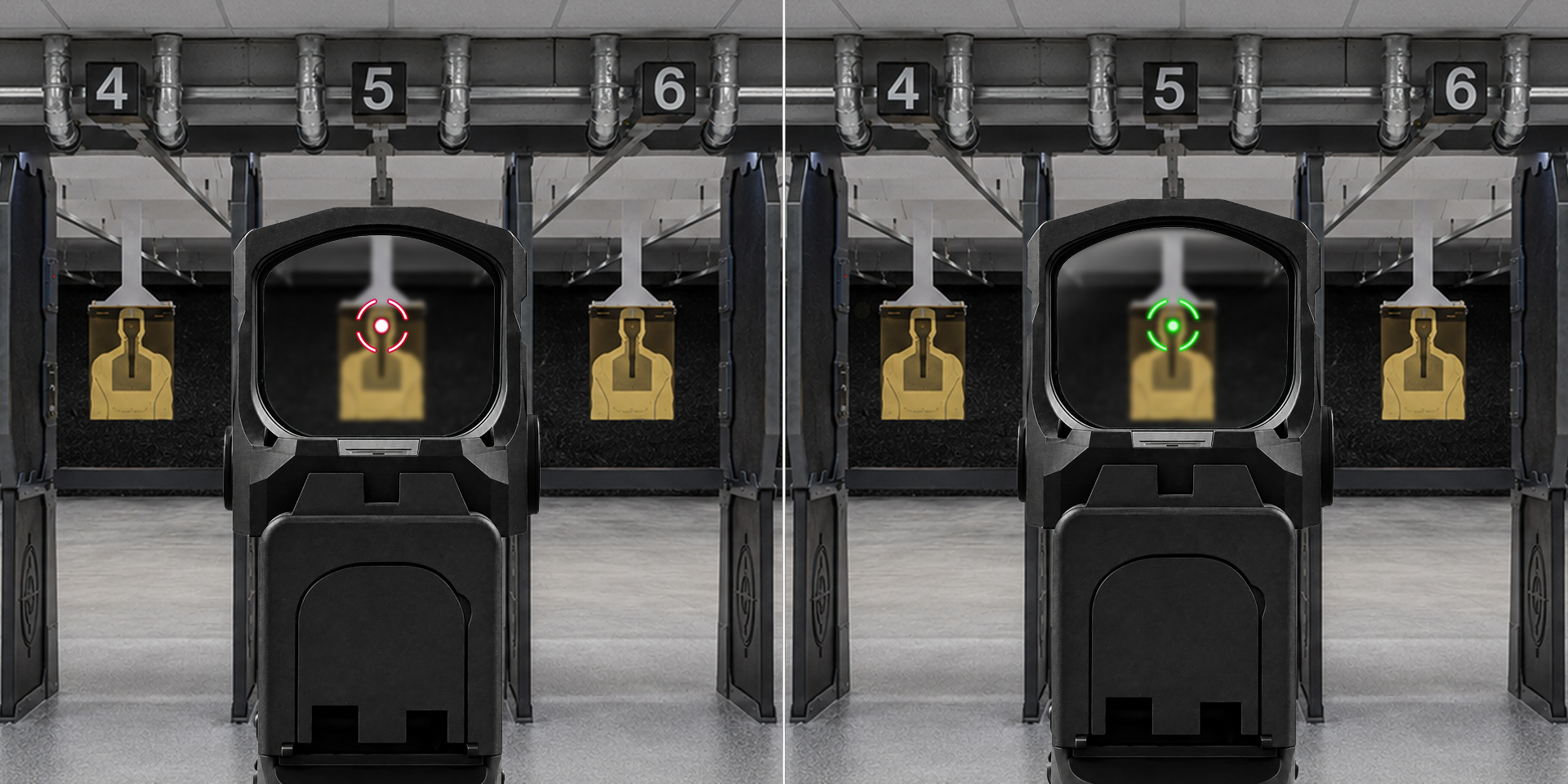
Green dot sights are often loved for their daylight performance. When the sun is strong and the background is busy, a green reticle can pop more clearly than a red one.
For outdoor shooting, open-range practice, or bright hunting conditions, this extra visibility can make target acquisition feel quicker and more natural.
2.2 More Comfortable for Long Sessions
Because the human eye is highly responsive to green wavelengths, a green dot can feel easier to track during longer shooting sessions. Some shooters find it less tiring, especially when moving between targets or aiming in bright environments.
This can be a real advantage if you spend a lot of time training, competing, or practicing outdoors.
2.3 Possible Benefit for Some Shooters With Astigmatism
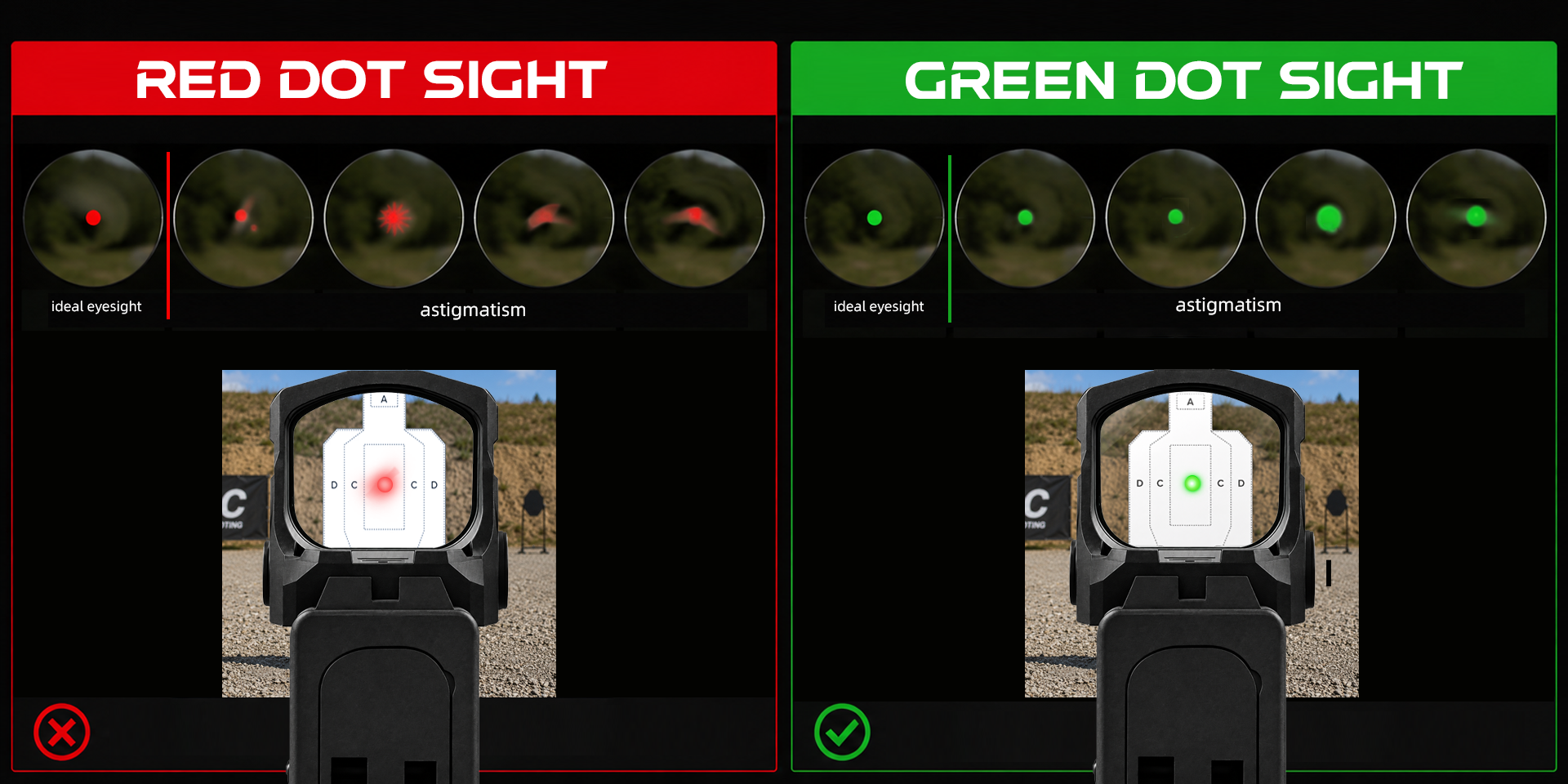
Astigmatism affects how illuminated reticles appear. For some shooters, a red dot may look like a starburst, smear, or fuzzy blob instead of a clean dot.
A green dot may appear cleaner to certain users, but this is not guaranteed. Astigmatism varies from person to person, so the best move is always to test both colors if possible.
2.4. Green Dot Sight Options Worth Checking Out
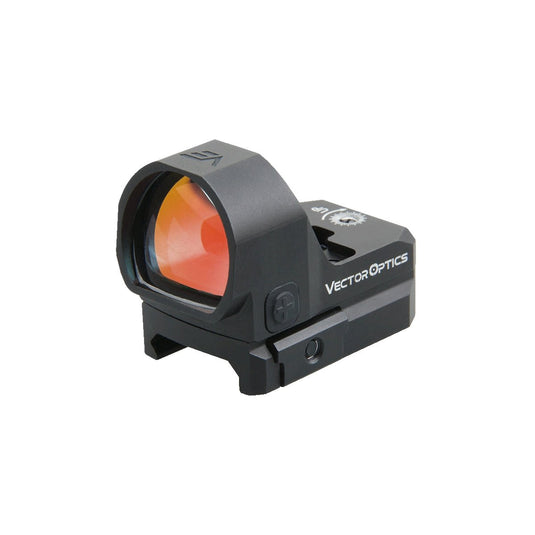
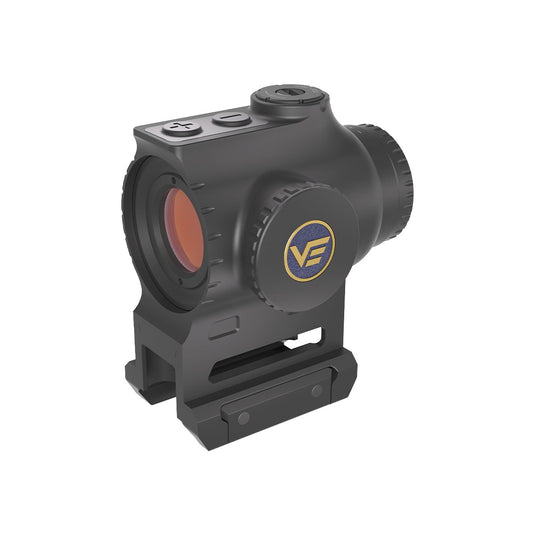
For shooters who want strong visibility and reliable performance in different lighting conditions, these green dot sights are solid options:
- Frenzy-S 7x24 5 MOA Pistol Green Dot Sight (SCRD-G43)
- Frenzy FM 17x24 Pistol Green Dot Sight (SCRD-G19II)
- Frenzy FA 17x20 GMR Green Dot Sight EDC (SCRD-GM68)
- Frenzy FLEX 24x29 GMR Green Dot Sight (SCRD-GM76)
These models are designed for fast aiming, compact setups, and dependable use across a wide range of shooting scenarios.
3. Why Red Dot Sights Are Still Popular?
Green dots are getting more attention, but red dot sights are not going anywhere.
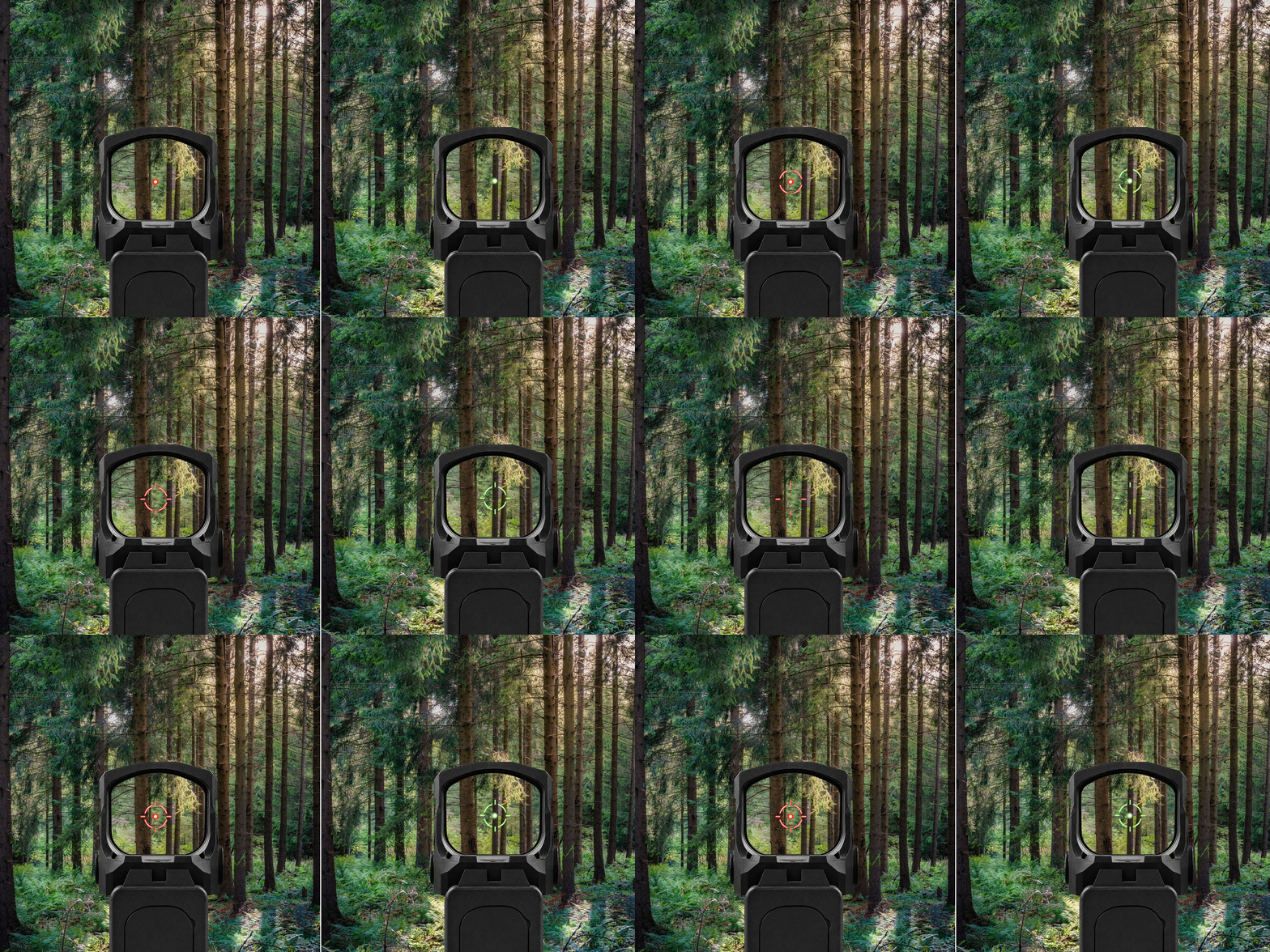
Red dot sights are still widely used because they perform well in low-light, indoor, shaded, and nighttime environments. They also stand out clearly against many green backgrounds, such as grass, trees, and wooded terrain.
For shooters working in forests, shaded ranges, urban spaces, or mixed-light conditions, a red dot remains a strong and dependable choice.
Red dot sights also have a few practical advantages. Red LED technology is mature, efficient, and widely produced. That usually means red dot sights can offer longer battery life, broad model availability, and more affordable pricing.
In short, red dots are popular because they are simple, proven, and reliable.
4. Red Dot vs Green Dot: Quick Comparison
| Feature | Red Dot Sight | Green Dot Sight |
|---|---|---|
| Bright Daylight | Good | Excellent |
| Low-Light Use | Excellent | Good |
| Eye Sensitivity | Good | Often appears brighter |
| Astigmatism | User dependent | User dependent |
| Market Adoption | Very widely used | Growing fast |
| Cost | Usually lower | Sometimes higher |
| Battery Life | Typically longer, depending on model | Usually slightly shorter, depending on model |
| Battery Efficiency | Generally higher | Slightly lower in some designs |
5. Which One Is Better for You?
The best choice depends on where and how you shoot.
Choose a green dot sight if you mostly shoot outdoors, especially in bright daylight or open environments. Green dots often feel brighter, easier to spot, and more comfortable to track during daytime use.
Choose a red dot sight if you often shoot indoors, at night, in shaded areas, or around green natural backgrounds. Red dots are also a great pick if you want a more common, affordable, and battery-efficient option.
For hunting, open-range practice, and daylight-focused shooting, green dot sights are becoming more popular. For mixed conditions, tactical use, night use, or general-purpose setups, red dot sights remain a dependable classic.
6. Why Does a Green Dot Look Brighter?
Green light is close to the peak sensitivity of human photopic vision, which is around 555nm. In bright daylight, the human eye reacts strongly to green wavelengths.
That is why a green dot can look brighter than a red dot even when both optics are set to the same brightness level. It is not magic. It is how your eyes process light.
7. Why Do Some Sights Offer Both Red and Green Reticles?
Some optics give shooters both red and green reticle options so they can switch based on lighting, background, or personal preference.
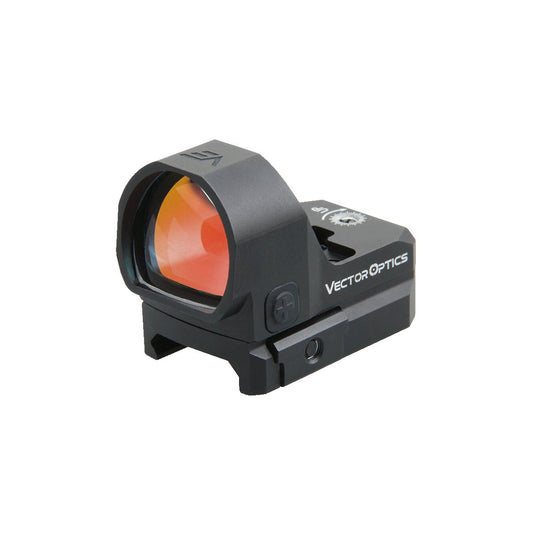
In many entry-level reflex sights, the reticle is created by a simple LED emitter and reflected onto a coated lens. Examples include:
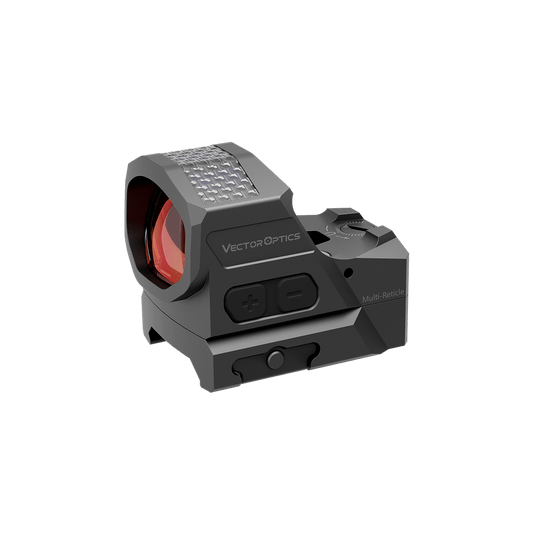
- Victoptics 1x22x33 Multi-Reticle Red Dot Sight (RDSL03)
- Victoptics 1x35 5MOA Red Dot Sight (RDSL05)
- VictOptics Z4 1x23x34 Compact Red Dot Sight (RDSL26)
- Victoptics IPM 1x23x34 Red Dot Sight (RDSL15)
- VictOptics SRD 1x27x39 Eight-Reticle Red Dot Sight (RDSL35)
- VictOptics SRD 1x23x33 Four-Reticle Red Dot Sight (RDSL36)
This design keeps the sight straightforward, practical, and easy to use for everyday shooting needs.
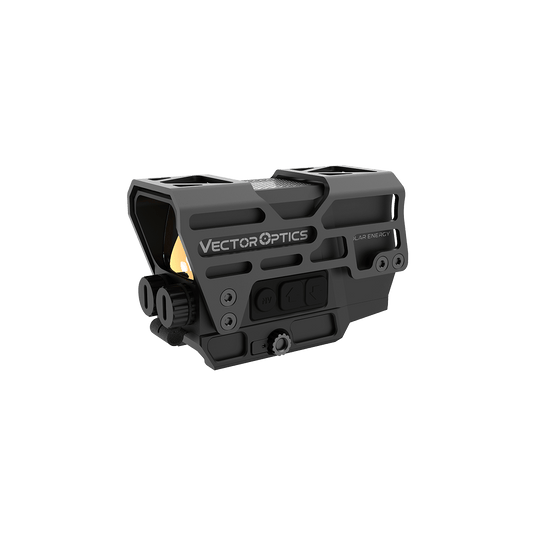
Higher-end holographic sights, such as EOTech systems, work differently. They use a laser diode to illuminate a holographic diffraction grating, which reconstructs the reticle image in the shooter’s line of sight. This creates a more complex optical system with a different viewing experience.
8. Final Thoughts
The red dot vs green dot debate is not just about color. It is about visibility, comfort, environment, battery life, and how your eyes respond to the reticle.
Green dot sights can be a great match for bright outdoor shooting, fast target pickup, and shooters who want a reticle that feels highly visible in daylight. Red dot sights are still excellent for low-light use, wooded areas, mixed environments, and shooters who want a proven all-around optic.
The smartest choice is the one that fits your eyes, your firearm, and your shooting environment.
FAQ
Q1. Do green dot sights use more battery power?
Usually, yes. Green LEDs often need slightly more power than red LEDs to reach a similar perceived brightness level. However, modern green dot optics are designed with efficient power management, so battery life is still reliable for everyday hunting, tactical use, and recreational shooting.
Q2. Should beginners choose a red dot or a green dot sight?
Red dot sights are often recommended for beginners because they are widely used, easy to learn, and available in many price ranges. That said, beginners who experience eye strain or mild astigmatism may find a green dot sight more comfortable.
Q3. Are green dots better for hunting?
It depends on the environment. In forests, grassland, or other green-heavy backgrounds, a red dot may provide stronger contrast. In bright daylight or open hunting areas, a green dot may be easier to see and faster to pick up.
Q4. Can I use a green dot sight at night?
Yes, green dot sights can be used in low-light conditions. The key is brightness control. The lowest brightness setting must be dim enough for the environment. For night vision use, compatibility depends on the specific optic model, and the reticle must be adjustable enough to avoid overpowering the night vision image.
Q5. Is a red dot or green dot better for everyday carry?
For everyday carry handguns, both can work well. Green dots often appear brighter in daylight and may be easier for some shooters with visual sensitivity or astigmatism. Red dots are more common, usually more battery-efficient, and perform strongly in low-light or urban environments. The right choice comes down to your eyes, your carry setup, and where you expect to use the optic most.
Best Sellers