
Picking the Perfect Red Dot Sight for USPSA Divisions
USPSA divisions define what guns you can use, magazine limits, and whether optics are allowed, along with stage rules and scoring. Choosing the right red dot sight depends on the division because each one has different challenges, platforms, and shooting styles.
New to USPSA? Check out our USPSA Basics Explained: A Guide for Beginners Guide for detailed coverage of scoring, safety rules, classifications, and key competition basics.
This guide takes a different approach, it dives into all USPSA divisions and shows you exactly how to pick the best red dot sights for the divisions that allow them, so you can focus on gear and performance rather than rules.
1.1 Carry Optics Division
Carry Optics allows slide-mounted red dot sights and focuses on speed and control.
Key Features:
- Slide-mounted optic allowed
- Mostly 9mm pistols
- Minor power factor scoring
- Moderate magazine capacity
1.2 Limited Optics Division
Limited Optics allows high-performance pistols with slide-mounted red dots. Stages are faster and more aggressive than Carry Optics.
Key Features:
- Slide-mounted red dot allowed
- Competition pistols including 2011-style platforms
- Fast stage pacing
- Scoring based on power factor
1.3 Open Division
Open Division allows compensated pistols and frame-mounted red dots, emphasizing speed and visibility.
Key Features:
- Compensated pistols reduce recoil
- Frame-mounted red dot allowed
- High magazine capacity
- Fast-paced stages
1.4 PCC (Pistol Caliber Carbine) Division
PCC uses a shoulder-fired carbine platform. It has low recoil, high magazine capacity, and fast shooting.
Key Features:
- Stocked carbine platform
- Minimal recoil
- Rapid target splits
- High magazine capacity
1.5 Limited Division
Limited Division is for semi-automatic pistols without optics. The focus is on accuracy and speed with iron sights.
Key Features:
- No optics allowed
- Slide-mounted compensators prohibited
- Standard magazines allowed
- Minor or Major scoring depending on caliber
1.6 Production Division
Production Division is designed for factory pistols with minimal modifications. Only iron sights are allowed.
Key Features:
- No optics allowed
- Factory-configuration pistols only
- Standard magazine capacity
- Limited modifications permitted
1.7 Single Stack Division
Single Stack Division uses 1911-style single-stack pistols, focusing on precision shooting with iron sights.
Key Features:
- No optics allowed
- Single-stack 1911 pistols only
- Minor scoring typical
- Strict magazine capacity
1.8 Revolver Division
Revolver Division is for classic revolvers, testing accuracy and speed under traditional platforms.
Key Features:
- Single-action or double-action revolvers
- Limited ammo per reload
- Precision and trigger control are critical
1.9 Limited 10 Division
Limited 10 is like Limited Division, but with magazine capacity capped at 10 rounds.
Key Features:
- No optics allowed
- Slide-mounted compensators prohibited
- 10-round magazine limit
- Minor or Major scoring depending on caliber
| Division | Platform | Optics Status | Typical Caliber | Power Factor Minor | Power Factor Major | Magazine Capacity | Typical Firearms |
|---|---|---|---|---|---|---|---|
| Carry Optics | Semi-auto pistol | ✅ Slide-mounted red dot | 9mm | ✓ | ✗ | ~23–24 rounds (~141 mm) | Glock 34 MOS, Shadow 2 OR, Walther PDP |
| Limited Optics | Semi-auto pistol (incl. 2011) | ✅ Slide-mounted red dot | 9mm / .40 S&W | ✓ | ✗ | ~23–24 rounds (~141 mm) | Staccato P, Atlas 2011 |
| Open | Race gun (2011-style) | ✅ Frame-mounted red dot | 9mm Major | ✓ | ✓ (preferred) | 30+ rounds (~170 mm) | Custom 2011 race guns |
| PCC | Carbine (rifle platform) | ✅ Red dot / optic allowed | 9mm | ✓ | ✗ | 30+ rounds | AR-9, SIG MPX, CZ Scorpion, Ruger PC Carbine |
| Limited | Semi-auto pistol (2011 common) | ❌ Iron sights only | .40 S&W | ✓ | ✓ | ~20 rounds (~140 mm) | 2011 pistols, Tanfoglio Stock II |
| Production | Semi-auto pistol (stock) | ❌ Iron sights only | 9mm | ✓ | ✗ | 10 rounds | Glock 17, CZ Shadow 2, SIG P320 |
| Single Stack | 1911 pistol | ❌ Iron sights only | .45 ACP / 9mm | ✓ | ✓ | 8 (Major) / 10 (Minor) | 1911 pistols (Springfield Armory, Colt, Dan Wesson) |
| Revolver | Revolver | 🟢 Iron sights / optional red dot (rules dependent) | .38 / .357 / 9mm | ✓ | ✓ | 6 (Major) / 8 (Minor) | S&W 625, S&W 929, Ruger GP100 |
| Limited 10 | Semi-auto pistol | ❌ Iron sights only | .40 S&W | ✓ | ✓ | 10 rounds | 2011 pistols, Tanfoglio Stock II, CZ Tactical Sport |
2. How to Choose Red Dot Sights for Different USPSA Divisions?
Red dot sights are essential for divisions that allow optics. Choosing the right one depends on division rules, platform stability, and stage pacing.
2.1 What Does a Carry Optics Setup Require for Red Dot Selection?
Red dots should:
- Be easy to acquire quickly
- Stay stable under recoil
- Remain reliable throughout the match
- Support smooth target transitions
Focus on accuracy and consistency, not flashy features.
2.2 What Does a Limited Optics Setup Require for Red Dot Selection?
Red dots should:
- Offer a larger viewing window
- Be durable under heavy use
- Maintain stability during rapid fire
- Support fast target transitions
Here, the red dot is a performance enhancer for aggressive stages.
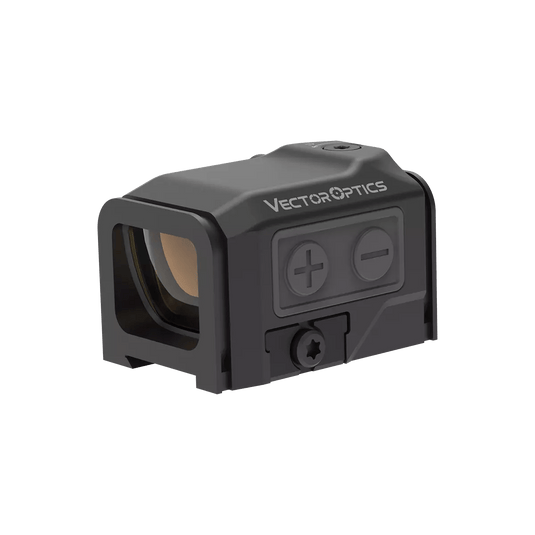
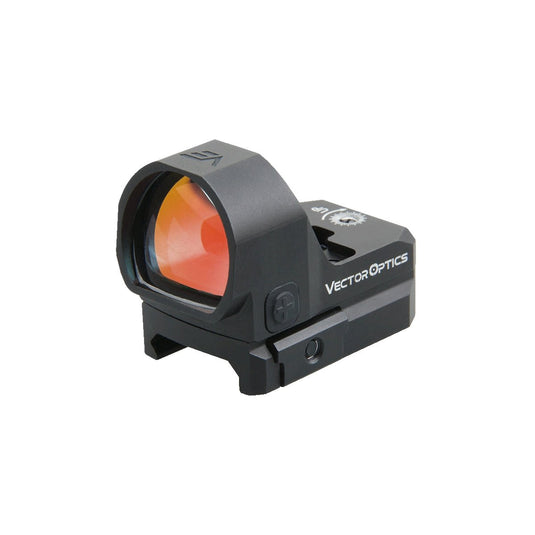
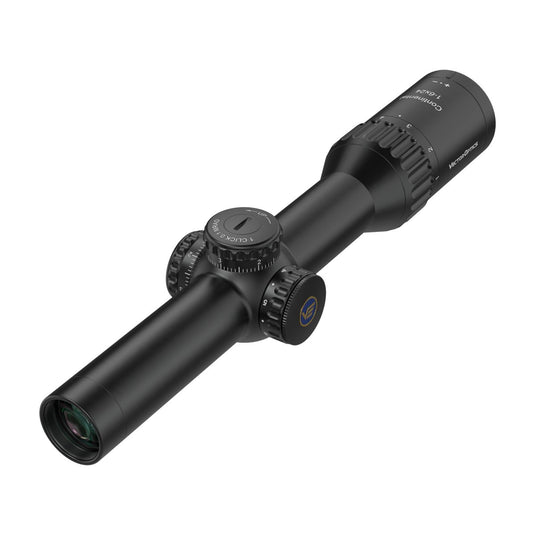
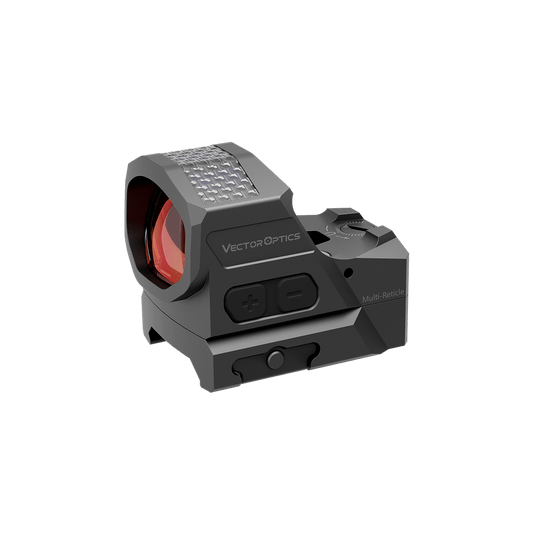
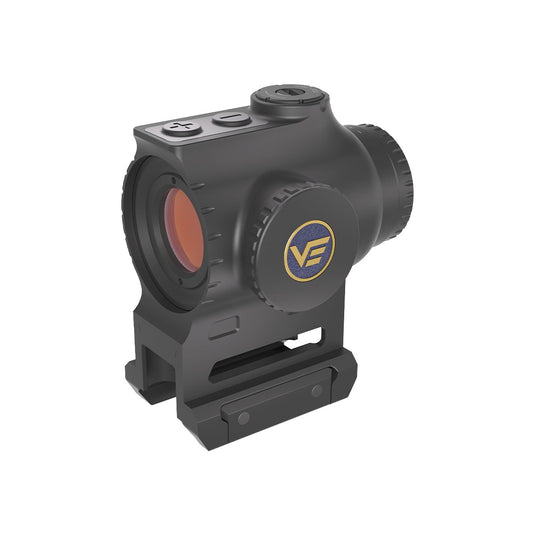
High-quality optics make a big difference in competition. Modern red dots with clean, fast reticles, such as the Frenzy FLEX series, enhance target acquisition and maintain precise dot tracking during rapid-fire and recoil.
2.3 What Does an Open Division Setup Require for Red Dot Selection?
Red dots should:
- Provide a large field of view
- Work in all lighting conditions
- Stay stable during rapid movement
- Support quick transitions between multiple targets
In Open Division, the red dot is part of a high-performance shooting system.
2.4 What Does a PCC Setup Require for Red Dot Selection?
Red dots should:
- Provide a wide viewing window for scanning multiple targets
- Track quickly and smoothly
- Remain reliable while moving
- Support fast target transitions
PCC focuses on speed and visual efficiency.
Best Sellers